
Flowers
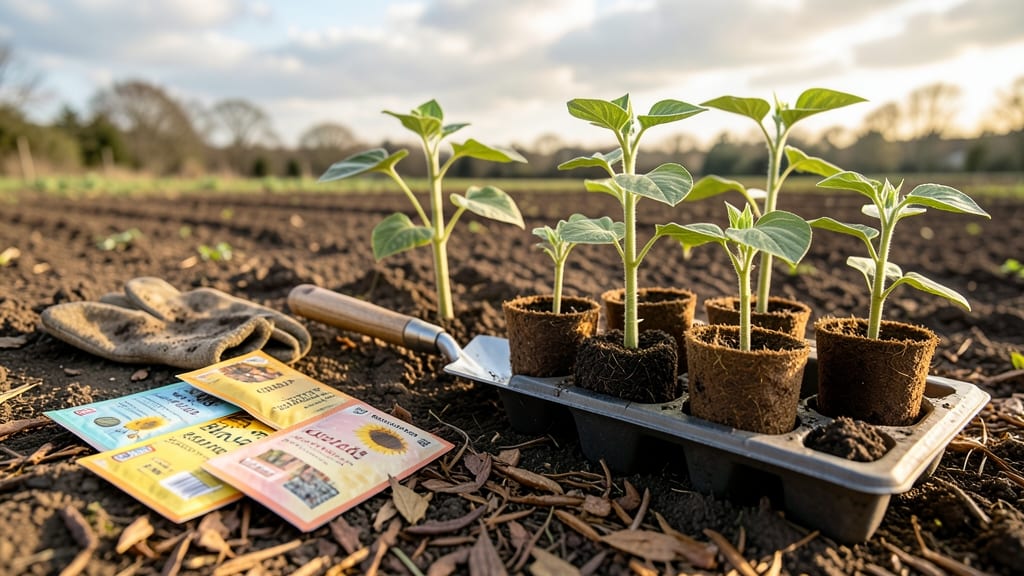
Planting sunflowers in Georgia starts as early as mid-March for those towering, fast-growing blooms you love 🌻 — but timing is the key to avoiding frost damage or summer wilting.
Georgia’s warm climate and long growing season make it an ideal place for sunflowers—but timing is everything. Plant too early, and you risk frost; too late, and your towering blooms might miss summer’s peak.
Most gardeners in USDA zones 7b-8a get the best results by sowing seeds directly after the last frost, around mid-March to early May for spring blooms, or again in late July to early August for a fall harvest.
Below, I’ll break down the exact planting schedule, soil prep tips, and how to choose varieties that thrive in Georgia’s heat—so you end up with sunflowers that reach their full, sun-drenched potential.
Best planting months for sunflowers in Georgia’s climate zones
Georgia’s USDA hardiness zones 7a-8b offer perfect conditions for growing sunflowers 🌻, but the timing depends on your exact location. North Georgia’s cooler zone 7a has later frost dates, while South Georgia’s zone 8b enjoys warmer soil earlier.
Understanding these differences ensures your sunflowers thrive from seed to towering bloom.
Sunflowers are annual plants in Georgia, meaning they complete their life cycle in one growing season. They thrive in full sun and prefer well-draining soil with a pH between 6.0 and 7.5.
For best results, plant them after the last frost date—typically mid-March to early April in North Georgia and late February to early March in South Georgia.
For direct sowing, which is the easiest method, plant seeds 1 inch deep and 6 inches apart in rows spaced 2-3 feet apart. This spacing allows for proper air circulation and prevents powdery mildew, a common issue in Georgia’s humid summers.
If you prefer transplanting, start seeds indoors 4-6 weeks before your last frost date and harden them off before moving outside.
In North Georgia (zone 7a), where frost lingers longer, focus on planting Russian Giant or Teddy Bear varieties after April 15. These varieties need a longer growing season to reach their full height.
In South Georgia (zone 8b), you can start as early as late February with dwarf varieties like Sunspot, which are perfect for containers and small gardens.
Don’t forget about summer planting! For a fall harvest, sow seeds again in late July to early August. This second planting ensures you’ll have sunflowers blooming well into October, adding late-season color to your garden.
Just be sure to choose varieties with shorter days-to-maturity, like Autumn Beauty, which typically matures in 60-70 days.
Soil temperature is critical for germination. Sunflower seeds won’t sprout until the soil reaches at least 50°F (10°C), but they germinate fastest at
Sunflower growth timeline: from seed to towering blooms in Georgia
Sunflowers in Georgia grow at an impressive pace—from tiny seeds to 14-foot giants in just 80-120 days. Understanding their growth stages helps you time plantings for peak summer blooms or fall harvests.
Each variety matures differently, so I’ll break down the timelines for Georgia’s most popular types, including ‘Moulin Rouge’ (70 days) and ‘Russian Giant’ (120 days).
Georgia’s long growing season (210 frost-free days) gives you two planting windows: spring (March-April) for summer blooms or late summer (July-August) for fall harvests. The key is planting when soil temps hit 50°F+—cold soil delays germination.
For fastest growth, aim for April 15-May 1 in North Georgia or March 15-April 15 in South Georgia.
Seeds sprout in 7-14 days at 50-60°F soil. Thin seedlings to 6-12 inches apart for ‘Russian Giant’ or 12-18 inches for dwarfs like ‘Teddy Bear’.
Seedlings develop 2-4 leaf pairs. Side-dress with compost to boost root growth. Watch for cutworms—use collars if needed.
Stems rapidly elongate (1-2 inches/day). Stake tall varieties (e.g., ‘Russian Giant’) at 3 feet to prevent lodging. Reduce watering to bi-weekly to strengthen stems.
Bud swells visibly. For ‘Autumn Beauty’ (90 days), expect yellow/purple blooms by late August. Deadhead spent blooms to encourage secondary flowers.
Full bloom occurs 10-14 days post-bud. For seed harvest, wait until back of petals browns (usually September-October). Cover heads with mesh to deter birds.
Adjust your planting dates based on your goals: Spring plantings (April) yield summer blooms, while late summer plantings (July) produce fall seeds.
For example, ‘Moulin Rouge’ (70 days) planted on May 1 will bloom by July 10, while ‘Russian Giant’ (120 days) needs a March 15 start to mature by July 15.
Georgia’s humidity and heat can accelerate growth—monitor for powdery mildew during bud stage. Space rows 3 feet apart for airflow, and mulch heavily to retain moisture. For extended harvests, succession-plant dwarf varieties every 2 weeks from April-July.
Pro tip: Use a growth chart to track milestones. Mark your calendar for bud formation (week 6) and flowering (week 10)—these are your cues for watering adjustments and pest watches. With the right timing, your Georgia sunflowers will thrive year after year! 🌻