
Flowers
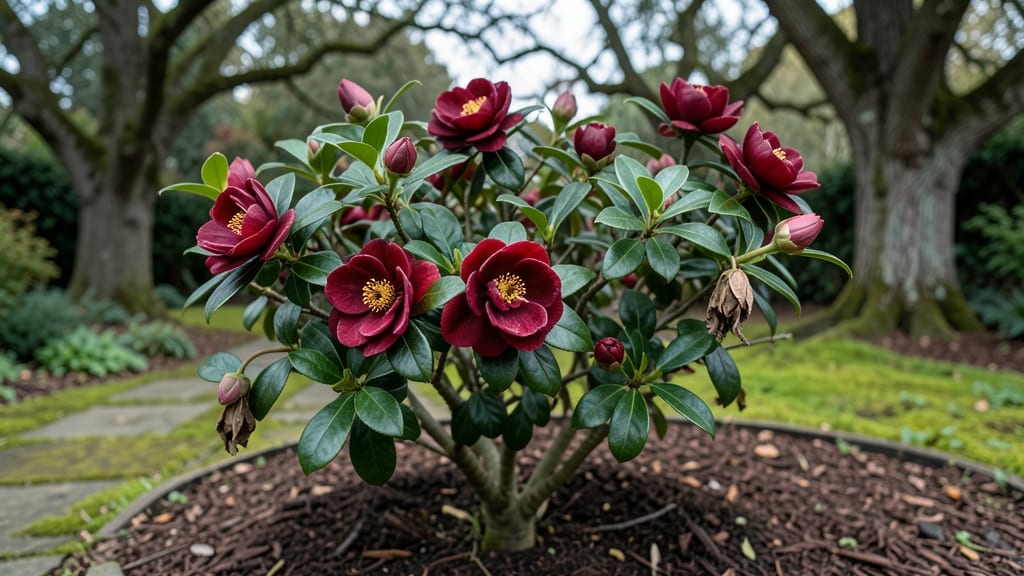
A camellia flowers in winter and early spring 🌸 — the exact months depend on your hardiness zone and the variety you’re growing.
Picture this: December’s chill gives way to vibrant blooms that last through March, but timing shifts dramatically from Zone 7 to Zone 10. In cooler climates, you might see Camellia japonica unfold its petals in late January, while warmer regions could enjoy Camellia sasanqua as early as November.
This isn’t just about aesthetics—knowing when your camellia blooms helps you plan pruning, protect buds from late frosts, and even choose companion plants for a show-stopping winter garden.
Below, I break down the precise months for your zone, the varieties that defy expectations, and simple care tweaks to coax earlier—or later—blooms.
Camellia flowering months by USDA hardiness zones (exact timeline)
Camellias are famous for their winter and early spring blooms, but their exact flowering window varies dramatically depending on your USDA hardiness zone and the specific variety you’re growing.
In warmer climates like Zone 10, you might enjoy flowers from October through March, while gardeners in Zone 7 typically see blooms from December to April. Understanding these patterns helps you choose the right varieties and plan for their stunning displays.
Most camellias require winter chill hours (typically 300–600 hours below 45°F) to trigger blooming, but some varieties—like Camellia sasanqua—are more adaptable to milder winters. Meanwhile, Camellia japonica varieties often need colder winters for optimal flowering.
Let’s break down the exact months for each zone, including adjustments for frost-sensitive blooms and late-season varieties.
In Zone 7, where winters are colder, camellias like Camellia japonica often bloom later, from December through April, while Camellia sasanqua varieties may start as early as late November.
The risk of late frosts in this zone means protecting buds with burlap wraps or choosing frost-hardy varieties like 'Yuletide' or 'Winter’s Star'.
Gardeners in Zone 8 enjoy a longer blooming season, typically from November to March, with early bloomers like 'Kiri Shizuku' appearing in October and late varieties like 'Desire' lasting into April. The milder winters reduce frost damage, but afternoon shade remains crucial to prevent sunburn on petals.
Warmer climates like Zone 9 and Zone 10 allow for year-round camellia interest, with some varieties flowering as early as September or as late as April. Tropical hybrids like Camellia 'Donation' thrive in these zones, offering bright red blooms from October to February.
In Zone 10, you can even find varieties that bloom in August, extending the season dramatically.
For gardeners in transitional zones (e.g., Zone 7b), microclimates play a key role. A south-facing wall can create a warmer niche, encouraging earlier blooms, while a northern exposure may delay flowering slightly.
Always monitor your local last frost date—camellias hate bud damage from unexpected cold snaps, even in milder zones.
If you’re planning to add camellias to your garden, consider early, mid, and late-season varieties to create a continuous bloom display. For example, pair 'Yuletide' (early) with 'Desire' (mid) and 'Elegans' (late) for a December-to-April show in Zone 8.
In Zone 10, mix tropical hybrids with traditional varieties to stretch the season from September to April.
Pro tip: Prune camellias right after flowering to shape the plant and encourage next year’s buds. Avoid heavy pruning in late summer, as this can remove next year’s flower buds. Mulch with pine bark or compost to maintain acidic soil conditions, which are critical for vibrant blooms.
With the right variety and care, camellias can transform your garden into a winter wonderland. Whether you’re in Zone 7 or Zone 10, timing is everything—so pick your plants wisely and enjoy their breathtaking displays! 🌸
Top 5 camellia varieties and their ideal blooming windows
Camellias are famous for their season-long blooms, but the exact timing depends on the variety. Camellia japonica and Camellia sasanqua are two of the most popular, but each has distinct bloom windows. Camellia oleifera, while less ornamental, also offers unique seasonal interest.
Understanding these differences helps you choose the perfect camellia for your garden's timeline.
If you're planning for winter color, Camellia sasanqua is your best bet, often blooming from October through December. Meanwhile, Camellia japonica typically waits until late winter or early spring (February to April) to showcase its dramatic flowers. Each variety thrives in specific conditions, which directly impacts their bloom windows.
Camellia Blooming Windows: Pros & Cons
Camellia japonica
Bloom Window: Feb-Apr
Pros: Large, showy flowers; long bloom season
Cons: Needs winter chill; slower to establish
Camellia sasanqua
Bloom Window: Oct-Dec
Pros: Early winter blooms; fragrant varieties
Cons: Smaller flowers; less cold-hardy
Camellia reticulata
Bloom Window: Jan-Mar
Pros: Bold, cup-shaped blooms; vibrant colors
Cons: Requires protection in harsh winters
Camellia oleifera
Bloom Window: Mar-Apr
Pros: Edible seeds; drought-tolerant
Cons: Less ornamental; smaller flowers
Camellia lutchuensis
Bloom Window: Oct-Nov
Pros: Compact size; early fall blooms
Cons: Rare; limited availability
For a prolonged display, consider planting both Camellia sasanqua (fall blooms) and Camellia japonica (spring blooms). This creates a seamless transition from late autumn to early spring. Camellia reticulata is another excellent choice for winter interest, with its bold, cup-shaped flowers appearing from January to March.
If you live in warmer climates (Zones 8-10), you might see blooms year-round, but most varieties still follow seasonal patterns. Camellia oleifera, for example, blooms in March and April and is prized for its edible seeds rather than ornamental value.
Meanwhile, Camellia lutchuensis offers a unique fall bloom window (October-November) and thrives in coastal gardens.
To maximize your camellia's bloom potential, provide acidic soil (pH 5.0-6.0) and partial shade. Regular feeding with acid-loving plant fertilizer in early spring and fall encourages robust flowering. Prune after blooming to maintain shape and promote next year's flowers.
With the right variety and care, your camellia can become a year-round garden star, offering color when many other plants rest. Plan your garden layout around these bloom windows to create a stunning seasonal progression—from sasanqua's fall fragrance to japonica's spring spectacle. 🌸