
Flowers
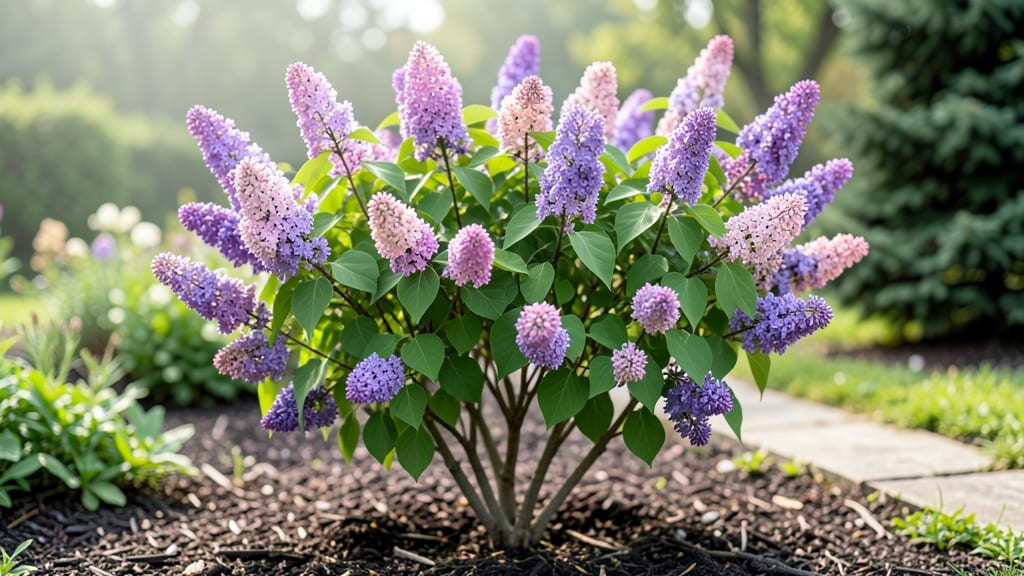
Lilacs flower in late spring, typically between May and June, when the air hums with their iconic fragrance 🌸 — but the exact timing depends on your climate zone and the variety you’ve planted.
If you’ve ever wondered when your lilac bushes will burst into fragrant purple clouds, timing is everything — especially since blooming windows vary dramatically by region.
In Zone 6a, like many gardens across the U.S., expect flowers to appear around early May, but cooler zones may see them linger into June.
Understanding these patterns isn’t just about admiring the blooms; it’s the key to planning your garden’s most vibrant displays. Whether you’re pruning for next year’s growth or adjusting watering schedules, knowing when lilacs flower helps you stay ahead of the season.
Below, I’ll break down the exact months by zone, share tips to extend the blooming period, and reveal the best varieties for reliable spring color. Ready to transform your garden into a fragrant paradise?
Lilac flowering months by USDA hardiness zones: a detailed guide
Lilacs are among the most beloved spring shrubs, but their blooming windows shift dramatically depending on your USDA hardiness zone. In colder zones like Zone 3, lilacs may wait until late May, while warmer Zone 9 gardens often see flowers as early as February.
Understanding these variations helps you choose the right varieties and plan your garden’s peak fragrance moments.
Most lilacs bloom in late spring, but a few varieties offer fall blooms or extended displays. Early bloomers like 'Mme. Lemoine' can appear in April, while late varieties like 'Purple Splendor' might linger into June. Your zone, microclimate, and plant age all play critical roles in timing.
Here’s a breakdown of lilac flowering months by zone, including regional adjustments for cooler or warmer microclimates within each zone.
| USDA Zone | Typical Blooming Months | Early Varieties | Late Varieties | Regional Notes |
|---|---|---|---|---|
| 3-4 | Late May - Early June | 'Katherine Havemeyer' (May) | 'President Lincoln' (June) | Cooler microclimates delay blooms by 2-3 weeks. |
| 5-6 | Mid-May - Late June | 'Dwarf Korean' (April-May) | 'Sensation' (June) | Urban heat islands may trigger earlier blooms. |
| 7-8 | February - May | 'Mme. Lemoine' (Feb-Mar) | 'Bloomerang' (May-June) | Fall-planted lilacs may bloom in winter. |
| 9 | January - April | 'Arctic Snow' (Jan-Feb) | 'Miss Canada' (April) | Some varieties rebloom in fall after pruning. |
In Zones 3-4, lilacs often wait until after the last frost to bloom, typically in late May or June. Varieties like 'Katherine Havemeyer' are reliable early bloomers, while 'President Lincoln' extends the season into June.
If your area experiences late frosts, consider planting near a south-facing wall to protect buds.
Gardeners in Zones 5-6 enjoy a longer blooming window, from mid-May to late June. The 'Dwarf Korean' variety is a favorite for its compact size and early blooms, often appearing in April.
Urban areas may see lilacs bloom 2-3 weeks earlier due to the urban heat island effect, so adjust your expectations accordingly.
Warmer Zones 7-8 push lilac blooming into February or March, with some varieties like 'Bloomerang' offering reblooms in late summer. Fall-planted lilacs may even surprise you with winter blooms, though these are less common. Mulching heavily in winter helps protect roots and encourages earlier spring blooms.
For Zone 9 gardeners, lilacs can bloom as early as January, with some varieties like 'Arctic Snow' thriving in mild winters. The 'Miss Canada' variety often blooms in April, aligning with traditional spring timing.
In these zones, fall pruning can stimulate new growth and extend the blooming season into early summer.
Regional microclimates can shift blooming times by 2-4 weeks. For example, a Zone 5 garden near a large body of water might experience later blooms due to cooler temperatures, while a Zone 7 garden in a dry valley could see lilacs bloom weeks earlier.
Pay attention to your local last frost dates and adjust planting locations accordingly.
To maximize your lilac’s blooming potential, choose varieties suited to your zone and prune after flowering. This encourages stronger growth and more abundant blooms next season. In warmer zones, a light fall pruning can also stimulate early spring blooms.
With the right variety
How to predict lilac blooming time based on plant age and variety
Predicting when your lilac bushes will bloom depends on two key factors: the age of the plant and the variety you’ve chosen. Young lilacs often take 2-3 years to establish enough energy for full blooms, while mature bushes can put on spectacular displays within weeks of spring’s arrival.
Understanding these patterns helps you set realistic expectations and plan your garden’s seasonal highlights.
Mature lilac bushes typically bloom in late spring, usually between April and May, but this can shift slightly based on your USDA hardiness zone.
For example, in Zone 5, blooms often appear in early May, while in Zone 8, they might start as early as March. The timing also syncs with climate cues like consistent daytime temperatures above 50°F and 10-12 hours of daylight.
- 🌱 Plant Age: 1-year-old lilacs rarely bloom; 2-year-olds may have sparse flowers; 3+ years = full blooms.
- 🌸 Variety: Early bloomers like ‘Dwarf Korean’ flower in April; late bloomers like ‘Katherine Havemeyer’ peak in May-June.
- ☀️ Sunlight: 6+ hours of full sun triggers blooming; partial shade delays it by 1-2 weeks.
- 🌡️ Temperature: Buds swell when nights stay above 40°F and days hit 60°F+.
- ✂️ Pruning: Prune right after blooming to encourage next year’s flowers; prune too late and you’ll miss spring blooms.
If you’ve planted a young lilac bush, don’t expect much in the first year—most energy goes into root and stem growth. By year 2, you might see a few sparse flower clusters, but it’s usually year 3 or 4 when lilacs truly shine.
Patience pays off, as established bushes can produce hundreds of fragrant blooms each spring.
Choosing the right lilac variety can also extend your blooming season. Early bloomers like ‘Sensation’ or ‘Dwarf Korean’ burst into color in late April, while late bloomers like ‘Katherine Havemeyer’ or ‘President Lincoln’ hold off until May or June.
Some varieties, like ‘Bloomerang’, even rebloom in fall if deadheaded properly!
To encourage earlier blooming, ensure your lilac gets full sun and well-draining soil. Overwatering or soggy roots can delay blooms, so focus on deep, infrequent watering once established.
A light spring fertilizer with balanced 10-10-10 NPK also helps jumpstart growth, but avoid heavy feeding in late summer—it can stunt next year’s flowers.
Keep an eye on your lilac’s buds in late winter. When they swell and turn pink or purple, blooming is just 2-4 weeks away. If buds dry out or drop off, it’s often a sign of winter stress or late pruning.
Mulch around the base in fall to protect roots and improve blooming consistency year after year.