
Blooming
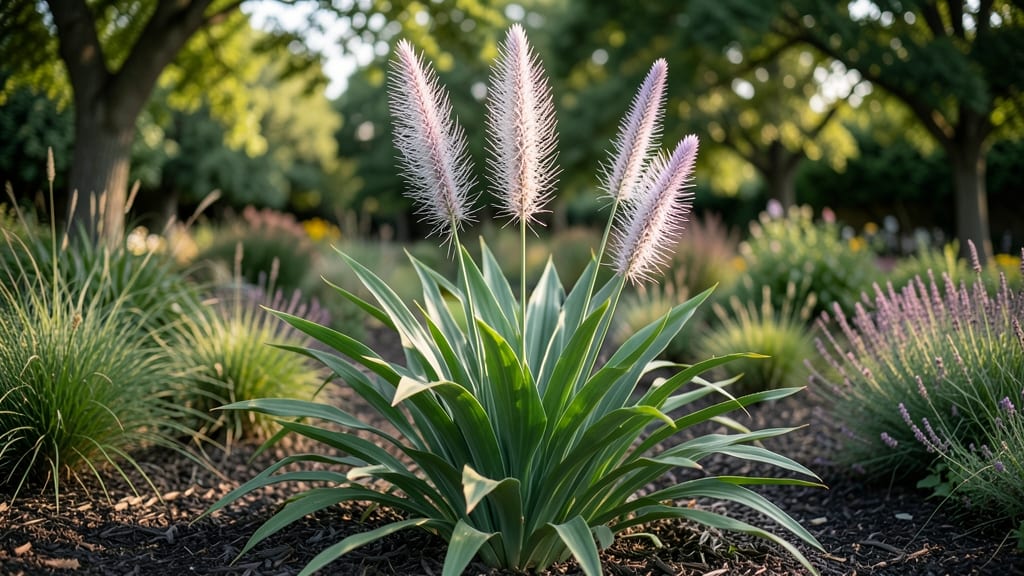
Pampas grass flowers in late summer to fall 🌿, turning your yard into a soft, misty masterpiece—but the exact timing depends on where you live and how you care for it.
Picture this: you’ve waited all season for those signature fluffy plumes to appear, only to wonder why your neighbors’ plants are already in bloom while yours is still dormant.
The truth? USDA Zone 6a and warmer climates trigger blooms earlier, while cooler areas may delay them until late September or October.
In this guide, I’ll break down the seasonal bloom windows by zone, the key factors that speed up or slow down flowering, and how to adjust your care routine to ensure your pampas grass puts on its best show every year.
You’ll also learn how to spot the first signs of blooms, why some plants skip flowering entirely, and the simple tweaks that make a difference—so you never miss another dreamy, cloud-like display in your garden.
Pampas grass flowering seasons by USDA hardiness Zones
Pampas grass (Cortaderia selloana) is famous for its dramatic, cloud-like plumes that add texture and movement to gardens—but its flowering season varies dramatically depending on your USDA hardiness zone.
In warmer climates like Zones 9-11, you might see blooms as early as late spring, while gardeners in Zones 5-7 often wait until late summer or fall. Understanding these patterns helps you plan for the most stunning displays.
The key to predicting bloom times lies in your local climate. Pampas grass thrives in full sun and well-draining soil, but temperature shifts and frost exposure can delay or advance flowering.
For example, Zone 8 gardeners often experience blooms in mid-to-late summer, while Zone 10 may see early spring flowers. Let’s break it down by zone to help you time your garden’s showstopper.
🌿 Pro Tip: Young pampas grass plants (under 2 years old) may not flower at all. Patience is key—established plants (3+ years) produce the most dramatic plumes. If your plant isn’t blooming, check its maturity, sunlight exposure, and soil health.
| USDA Zone | Typical Bloom Time | Climate Notes | Care Adjustments |
|---|---|---|---|
| Zones 5-7 | Late summer to early fall (Aug–Oct) | Cooler summers, risk of early frost | Mulch heavily in fall; protect from frost |
| Zone 8 | Mid-to-late summer (Jul–Sep) | Hot summers, mild winters | Water deeply during droughts; prune spent plumes |
| Zones 9-11 | Early spring to late summer (Mar–Aug) | Warm year-round; minimal frost risk | Reduce watering in summer; fertilize lightly in spring |
🌡️ Note: Microclimates (e.g., coastal vs. inland) can shift bloom times by 4–6 weeks.
If you live in Zones 5-7, your pampas grass likely blooms in late summer or early fall (August–October), when temperatures cool slightly after the heat of July.
This timing helps the plant avoid early frost, which can damage delicate plumes. Zone 7 gardeners in particular should monitor first frost dates—if frost hits before blooms appear, consider mulching or lightweight frost cloth to extend the season.
In Zones 9-11, the story is different. Here, pampas grass often blooms earlier, sometimes as early as March or April, taking advantage of mild winters. Zone 10 gardeners might even see two bloom cycles per year if conditions are ideal.
However, overwatering in these warm zones can stress the plant, so focus on deep, infrequent watering to encourage healthy growth.
For Zone 8, the transition zone, blooms typically arrive in mid-to-late summer (July–September). This zone is tricky because heatwaves can delay flowering, while unexpected cold snaps might cut the season short.
To maximize blooms, ensure your plant gets at least 6 hours of sunlight daily and avoid heavy soils, which can suffocate roots.
One common misconception is that pampas grass flowers annually. While mature plants often bloom yearly, young plants (under 2 years) may skip flowering entirely. Patience pays off—a well-cared-for pampas grass can live for decades and produce more dramatic plumes each season.
If your plant isn’t blooming, check for nutrient deficiencies or overcrowding.
To encourage earlier blooms, give your pampas grass a light spring fertilizer (like a 10-10-10 blend) in March or April. Avoid fertilizing in summer or fall, as this can promote leafy growth over flowers.
Additionally, prune spent plumes in late winter to redirect energy into new blooms for the next season.
If you’re in a drought-prone area (common in Zones 9-11), reduce watering once the plant is established. Overwatering can lead to root rot and delayed flowering. Instead, water deeply but infrequently—aim for 1–2 inches of water per week during dry spells.
In cooler zones (5-7), focus on consistent moisture in early spring to jumpstart growth.
Finally, keep an eye on your plant’s height and maturity. Mature pampas grass (6+ feet tall) produces the most showy plumes, while younger plants may struggle. If your plant is under 3 feet tall, it’s likely too young to bloom.
Give it time, and soon you’ll be rewarded with those dreamy, cloud-like flowers that define this iconic ornamental grass.
How to predict your pampas grass flowering time: key factors
Predicting when your pampas grass will flower depends on more than just your USDA zone. While most varieties bloom between late summer and fall, factors like soil quality, sunlight exposure, and even your plant's age can shift that timeline by weeks—or even months.
Understanding these variables lets you adjust care to encourage blooms at your preferred time, whether you want those dreamy plumes earlier for summer weddings or later for fall color.
For example, a 3-year-old pampas grass in Zone 9 might bloom as early as June, while a young plant in Zone 6 could wait until September.
The difference? Warmth, moisture, and maturity all play critical roles. Let’s break down the four most influential factors so you can fine-tune your garden’s timing.
Pampas grass needs 6+ hours of direct sun daily. Less light delays blooms by 4-6 weeks.
Poor drainage causes root stress, pushing blooms 2-3 weeks later. Amend with sand or gravel if needed.
Overwatering in spring can delay blooms. Water deeply but infrequently (every 7-10 days once established).
Young plants (1-2 years) may not bloom until year 3. Mature plants (3+ years) flower reliably.
Urban areas stay warmer, triggering earlier blooms. Rural zones may see 2-week delays due to cooler temps.
Let’s say you’re in Zone 8 and want blooms by July for a summer event. Start by ensuring your plant gets full sun and amend the soil with compost to improve drainage.
If your plant is younger than 2 years, hold off on fertilizing—it’ll focus on root growth instead of flowering. For established plants, a light spring feed with 10-10-10 fertilizer can encourage earlier blooms.
Conversely, if you’re in Zone 5 and blooms arrive too early (like August instead of September), reduce watering slightly in late summer to signal the plant to hold off. Mulching with straw or wood chips also helps regulate soil temperature, which can delay flowering by 1-2 weeks in hot climates.
Remember, pampas grass is drought-tolerant once established, so don’t overcompensate with water. The key is balance: consistent moisture for young plants, minimal water for mature plants, and full sun year-round.
With these adjustments, you’ll nail your ideal bloom time—whether it’s for a wedding backdrop, fall decor, or just garden enjoyment.
Pro tip: Prune spent plumes in late winter to encourage fresh growth and next year’s blooms. This simple step keeps your pampas grass healthy and predictable for years to come. 🌿