
Plants
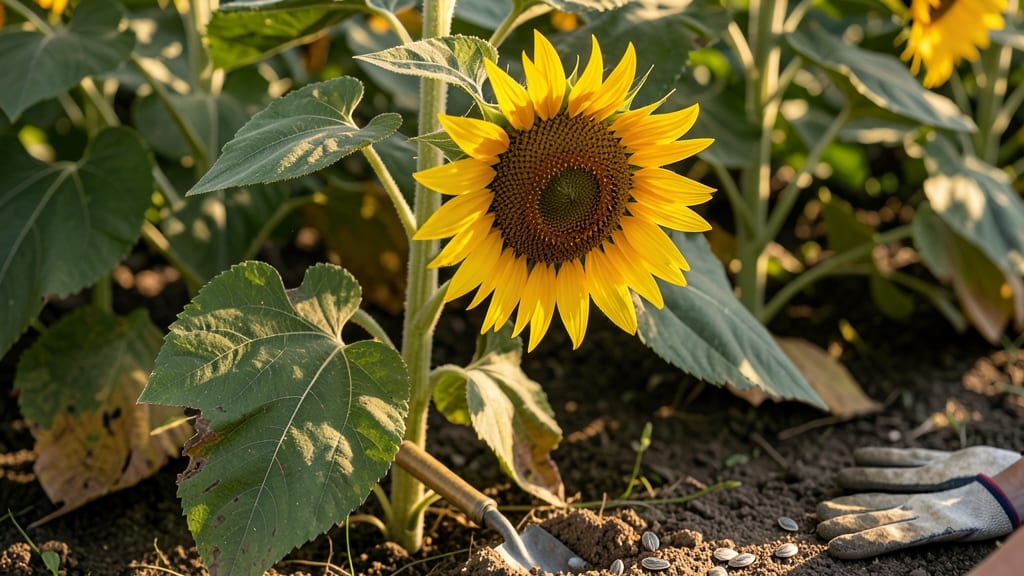
Planting sunflower seeds in Florida is all about timing—get it right, and you’ll watch those towering 🌻 blooms reach for the sky by summer.
Here’s the catch: Florida’s frost-free zones mean your neighbors in the Panhandle have a completely different schedule than those in Miami. Plant too early in the North, and a late cold snap will kill your seedlings.
Plant too late in the South, and your sunflowers might bolt before they even open.
Below, I break down the exact frost-free windows for Florida’s three growing zones—plus how to adjust for coastal humidity or inland heat—so you can align your planting with your sunflower’s natural rhythm.
You’ll also discover the best varieties for Florida’s climate, when to fertilize for maximum height, and how to keep your sunflowers thriving through the state’s brutal summer heat.
Florida sunflower planting timeline: frost-free dates by region
Florida’s three distinct growing zones create unique planting windows for sunflowers. The state’s frost-free periods range from 270 days in North Florida to 365 days in the South, meaning timing varies dramatically.
Whether you’re in Jacksonville, Orlando, or Miami, knowing your zone’s last frost date is critical—plant too early, and seedlings may rot; too late, and summer heat stresses young plants.
For North Florida (Zones 8-9), where frost lingers until mid-February, aim for March 15-April 15 to ensure blooms before summer’s peak heat. Central Florida (Zones 9-10) can start February 15-March 30, while South Florida (Zone 11) enjoys year-round planting but thrives with fall (August-September) or spring (February-March) starts to avoid extreme summer humidity.
Microclimates matter: Coastal areas like Tampa Bay stay warmer longer, while inland Gainesville faces earlier frosts. Elevation also plays a role—higher areas (e.g., Apalachicola) may have 1-2 weeks earlier frost than nearby coastlines. Always check your local frost maps (like the National Weather Service) for precision.
Sunflowers are heat-tolerant but struggle when soil temps exceed 90°F during germination. In South Florida, avoid planting after May 15 unless using shade cloth for seedlings. For North Florida, consider late summer (August) sowings of short-season varieties like ‘Teddy Bear’ for fall blooms.
Here’s your region-specific planting timeline, including early, mid, and late-season options to extend your harvest:
| Region | Last Frost Date | Ideal Planting Window | Heat Tolerance Tip | Microclimate Adjustment |
|---|---|---|---|---|
| North Florida (Zones 8-9) | Jan 31 - Feb 15 | March 15 - April 15 | Avoid after May 1 | Add 1-2 weeks for inland areas |
| Central Florida (Zones 9-10) | Dec 15 - Jan 31 | Feb 15 - March 30 | Use shade cloth for June plantings | Coastal areas: start 1 week earlier |
| South Florida (Zone 11) | None (year-round) | Aug-Sep or Feb-Mar | Plant in partial shade until established | Everglades: avoid July-August humidity |
| All Regions | N/A | Succession plant every 3 weeks | Soil temp ≥55°F for germination | Test soil moisture weekly |
For North Florida gardeners, focus on early-season varieties like ‘Autumn Beauty’ (60-70 days to bloom) to beat summer’s heat.
In Central Florida, mix mid-season types (e.g., ‘Moulin Rouge’) with late-season ‘Russian Giants’ for extended harvests. South Florida’s long growing season lets you grow two crops yearly—spring and fall—using dwarf varieties like ‘Teddy Bear’ in containers.
Adjust for microclimates by observing your yard: Shady spots under trees? Plant heat-tolerant varieties like ‘ProCut’ there. South-facing walls? They’re perfect for tall varieties needing extra sun.
Always monitor soil moisture—sunflowers wilt faster in sandy soils (common in North Florida) than in clay-heavy areas (like Central Florida’s citrus regions).
Pro tip: Use a soil thermometer to confirm temps are 55°F+ before planting. If your soil runs hotter than 85°F, wait
Best sunflower varieties for Florida’s climate and their planting times
Florida’s long growing season lets you enjoy sunflowers year-round, but not all varieties thrive equally in our humid heat and sandy soils. The right sunflower type and planting timing can mean the difference between a 10-foot giant and a struggling seedling.
Here’s how to pick winners for your garden.
For Florida gardens, I recommend focusing on three standout varieties: ‘Autumn Beauty’ for its vibrant colors, ‘Moulin Rouge’ for its striking red blooms, and ‘Russian Giant’ for those who want dramatic height. Each has unique maturity timelines and heat tolerance—critical factors when planting in Florida’s USDA Zones 9a-11.
If you’re planting ‘Autumn Beauty’, aim for February-March to avoid Florida’s peak summer heat. This variety blooms quickly (56-65 days) and handles our humidity well, making it perfect for coastal gardens where breezes help prevent fungal issues.
For ‘Moulin Rouge’, wait until March-April to give seedlings time to establish before the 90°F+ temperatures hit. Its deep red blooms are stunning in Florida’s landscape, but they need consistent moisture retention—so amend your soil with compost before planting.
If you dream of giant sunflowers, ‘Russian Giant’ is the way to go—but plant it early (January-February) for fall blooms. These sunflowers take 80-120 days to mature, so timing is critical.
Avoid planting after May, or they’ll bolt (go to seed) too quickly in the heat.
To prevent bolting in Florida’s heat, keep seedlings well-watered and use shade cloth (30-50%) during the hottest afternoons. Mulch with straw to retain moisture and cool the soil—this is especially important for ‘Russian Giant’, which struggles in dry conditions.
🌻