
Propagation
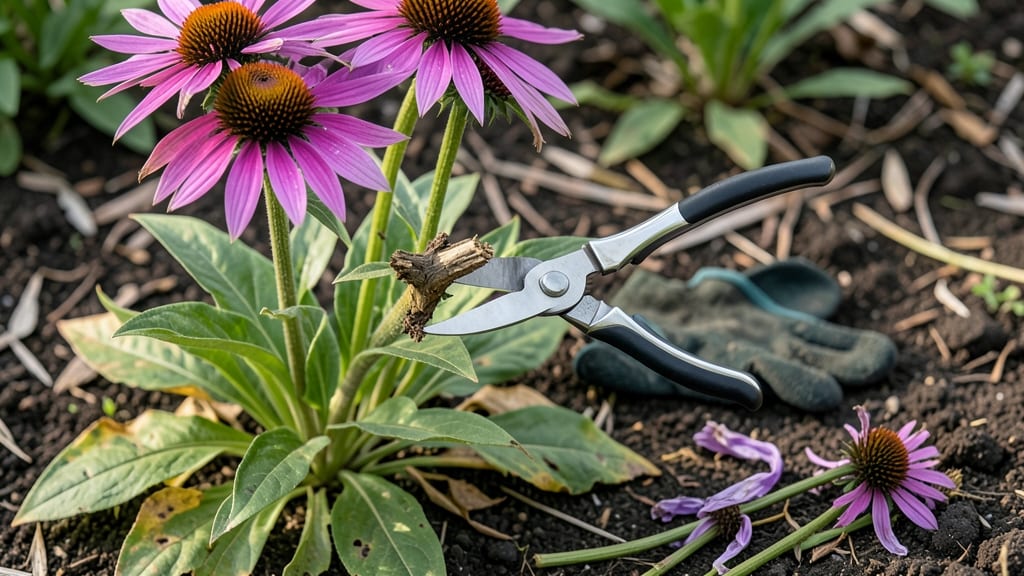
To cut coneflowers at the perfect time means the difference between a lush spring rebloom and a sad, sparse display.
If you’ve ever stared at your 🌼 coneflowers in late fall, wondering whether to trim or wait, you’re not alone. The right timing—paired with proper technique—ensures your hardy perennials return stronger than ever, while the wrong move can leave them struggling to bounce back.
Most gardeners in USDA Zone 6a (and similar climates) should cut back coneflowers in late fall, after the first frost but before the ground freezes. This timing allows the plant to store nutrients for next year’s growth while avoiding the shock of a harsh winter cut.
Below, I’ll break down the best late-fall window by region, how to prune for maximum regrowth, and why cutting too early or too late can backfire—plus the tools and tricks that make all the difference.
Best late fall cutting timeline for coneflowers (by region)
Timing your coneflower pruning in late fall is critical for their survival and next year’s vibrant blooms. Unlike spring pruning, which focuses on cleanup, late fall cuts prepare roots for winter dormancy. The exact window depends on your USDA zone, as frost timing varies dramatically across regions.
Prune too early, and you risk stunted regrowth; too late, and frost can damage tender new shoots.
In cold climates (Zones 3-5), where winters are harsh, aim to prune 3-4 weeks before the first hard frost. This gives roots time to harden off while removing dead foliage that could harbor pests.
Meanwhile, in milder zones (6-10), you have more flexibility—cutting can extend into early December without risking damage. The key is to act before persistent freezing temperatures set in.
| USDA Zone | Ideal Cutting Window | Key Climate Factor | Post-Cutting Care |
|---|---|---|---|
| Zones 3-5 | Late October to mid-November | First hard frost (28°F or lower) | Mulch heavily (4-6 inches) with straw |
| Zones 6-7 | Mid-November to early December | Light frost (25-30°F) | Light mulch (2-3 inches) to insulate roots |
| Zones 8-10 | December to early January | Mild winters (rarely below 20°F) | Minimal mulch; focus on soil moisture |
⚠️ Note: Adjust for microclimates—e.g., urban areas may frost earlier than rural zones.
For Zone 3-5 gardeners, prioritize cutting after the first killing frost (when leaves turn crispy). This ensures roots have stored enough nutrients for spring regrowth. In contrast, Zone 8-10 gardeners can delay until January, as mild winters allow later pruning without risk.
Always check for woody stems—if stems feel firm and leaves are brown, it’s time to cut.
Soil conditions also play a role. In well-draining soils, coneflowers handle late fall cuts better, while clay-heavy soils may require earlier pruning to prevent root rot from excess moisture.
Amend soil with compost in early spring to offset any nutrient loss from late cuts. This ensures your plants wake up stronger in spring.
One common mistake is cutting too aggressively—never trim below the crown (ground level). Leave 2-3 inches of stubble to protect the dormant buds beneath. Use clean, sharp shears to avoid tearing stems, which can invite disease. Disinfect tools with rubbing alcohol between cuts for pest prevention.
In humid climates (e.g., Southeast US), delay pruning until after the first frost to reduce fungal risks. Fungal spores thrive on damp, dead foliage, so remove it promptly after cutting.
For dry climates (e.g., Southwest US), prune earlier to allow soil moisture retention before winter rains. Always monitor your local frost forecast for precise timing.
After cutting, mulch generously to insulate roots. Use straw or shredded leaves (avoid fresh grass clippings, which mat down). In Zone 3-5, a 6-inch layer is ideal; in Zone 6-10, 2-3 inches suffices. Remove mulch in early spring to prevent suffocating new shoots.
Pro tip: Mark your pruning calendar with local frost dates. For example, if your first frost is October 15, schedule cuts for early October in Zone 5.
This seasonal alignment maximizes your coneflowers’ resilience. With the right timing, your plants will reward you with fuller blooms and healthier foliage next season.
Remember, coneflowers are tough—they’ll bounce back even if you miss the window slightly. But for showstopping results, follow your zone’s guidelines and adjust for local conditions. Happy pruning! 🌼
Step-by-step guide: how to prune coneflowers for maximum regrowth
Pruning your coneflowers at the right time ensures they bounce back with vigorous new growth and abundant blooms next season. The key is waiting until the plant has fully entered dormancy—after the first hard frost but before deep winter sets in.
This timing gives your coneflowers time to store nutrients in their roots while removing dead foliage that could harbor pests or diseases.
Start by inspecting your coneflower stems and seed heads. Look for brown, papery flower heads and woody, rigid stems—these are clear signs your plant is ready for pruning.
Avoid cutting when stems are still green or flexible, as this signals the plant is still actively growing and needs those leaves to photosynthesize.
Prune after 2-3 hard frosts (when leaves turn brown and crispy), typically October-November in most USDA zones 3-10.
Grab bypass pruners or a clean garden saw for thicker stems. Disinfect tools with rubbing alcohol to prevent spreading disease.
Remove dead stems 1-2 inches above ground. Avoid leaving stubs, which can rot or attract pests.
Toss or compost dried seed heads to prevent self-seeding (unless you want volunteer plants next year).
Spread 2-3 inches of mulch (like straw or shredded leaves) to insulate roots and suppress weeds.
After pruning, resist the urge to fertilize—your coneflowers are dormant and won’t benefit from nutrients until spring. Instead, focus on protecting roots from freeze-thaw cycles by adding a thick layer of mulch. This insulation helps roots stay consistently cold and prevents heaving during winter.
Avoid these common pruning mistakes that can stunt regrowth: cutting too early (before dormancy), leaving stubs, or using dull tools that crush stems. Always prune on a dry, sunny day to reduce disease risk and let wounds dry quickly.
With the right timing and technique, your coneflowers will rebound with lush foliage by early spring and bloom even more vigorously next season. The effort now pays off with healthier plants and stunning displays for years to come! 🌼