
Aphids
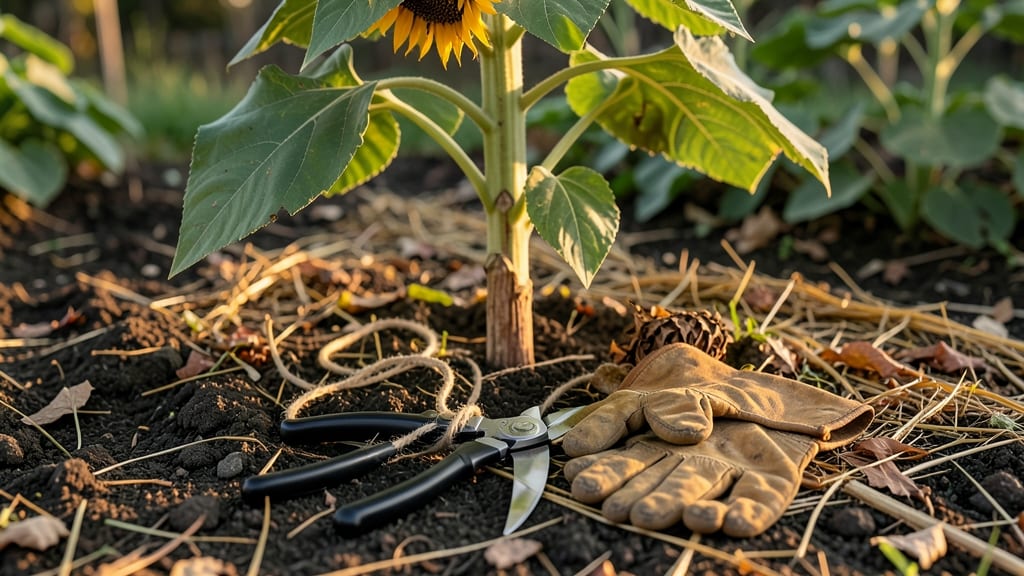
Cut down sunflowers 🌻 after their petals yellow and the seed heads turn dry and papery — usually 4-6 weeks after flowering, before the first frost.
Picture this: you’ve spent all summer watching your towering sunflowers sway in the breeze, and now the question looms—when is the exact moment to harvest? Cut too soon, and you’ll lose viable seeds; wait too long, and frost or birds will beat you to them.
The right timing isn’t just about the calendar—it’s about reading the plant’s cues, like the back of the petals turning brown or the seed head rattling when shaken.
Regional differences matter too. In USDA Zone 6a, where frost hits by late October, you’ve got just a few weeks after flowering to act. But in warmer climates, you might stretch that window until November.
And here’s the kicker: leaving seed heads for wildlife is a noble gesture, but if you’re saving seeds, timing is everything—because a missed harvest means wasted potential.
Below, I’ll break down the step-by-step signs to watch for, how to adjust for your climate, and whether to compost, save, or share your harvest. No more guesswork—just sunflower seed-saving success.
The exact time to cut down sunflowers for seed saving
Timing is everything when saving sunflower seeds. Harvest too soon, and the seeds won’t mature properly; wait too long, and they’ll scatter or rot on the stalk. The ideal window is when the back of the petals turns yellow-brown, and the seed head feels dry to the touch.
This typically happens 8-10 weeks after flowering, but environmental factors like frost risk and regional climate can shift this timeline.
For most sunflower varieties, the perfect harvest time falls between late August and early October in temperate zones. However, in warmer climates like USDA Zone 9-10, you might extend harvesting until November, while cooler regions like Zone 4-5 may need to harvest by mid-September to avoid frost damage.
Always prioritize seed maturity over calendar dates—your plants will tell you when they’re ready.
🌻
My go-to method for checking seed readiness is the back-of-the-head test. Simply run your fingers along the rear of the petals—if they feel dry and papery (like the back of your head!), it’s time to harvest.
This simple trick saves me from guessing and ensures viable seeds. Pair this with the seed head rattle test: a dry head that shakes like a maraca is ready to cut down.
Regional adjustments are critical. In northern climates (e.g., USDA Zone 3-5), aim to harvest by mid-September to avoid frost, which can damage seed heads. Meanwhile, southern gardeners (e.g., Zone 8-10) can often wait until October or November, as warmer temperatures extend the growing season.
Always monitor your local frost forecast—seeds won’t mature properly after frost hits.
One common mistake is waiting until the petals fully drop. While this signals maturity, seeds may already be scattered by then. I’ve learned to harvest 1-2 weeks before petals fall to maximize seed yield.
Pro tip: Use a paper bag to collect scattered seeds if you notice them on the ground—this can boost your total harvest by up to 20%.
For giant sunflower varieties (like Mammoth or Russian Giant), the harvest window narrows further. These towering plants often take 100-120 days to mature, leaving little room for error. In my experience, they’re ready 2-3 weeks earlier than dwarf varieties like Teddy Bear, so plan accordingly.
Always cut stems at a 45-degree angle to prevent water from pooling and rotting the base.
After cutting, let the heads dry indoors for 1-2 weeks in a well-ventilated area (e.g., a garage or shed). Once fully dry, rub the seeds between your hands to remove chaff, then store them in airtight containers in a cool, dark place.
Properly stored seeds can last 3-5 years, making this a worthwhile investment for next year’s garden.
🌾
How to prepare sunflower heads for drying and storage
Once you’ve cut down your sunflowers at the perfect moment, the next step is preparing the seed heads for drying and storage. Proper handling ensures viable seeds that stay fresh for next year’s planting.
Start by trimming the stems to 4-6 inches below the seed head—this makes them easier to hang or place in drying containers.
Remove any damaged or discolored petals and check the seed head for pests or mold. If you spot signs of infestation, like tiny holes or webbing, isolate those heads immediately to prevent spreading. Healthy seed heads should feel dry and papery when you gently squeeze them.
⚠️ WARNING: Cutting sunflowers too late or leaving them on the plant past frost risks seed loss. Here’s the critical timing:
For drying, choose between hanging upside down in a well-ventilated, dry space (like a garage or shed) or placing heads in paper bags with holes punched in the sides. Hanging works best for large varieties, while paper bags are ideal for smaller heads to prevent seed loss.
Aim for 1-2 weeks of drying until seeds easily pop out when pressed.
Once fully dried, remove seeds from the heads by rubbing them between your palms or using a mesh bag. Store seeds in airtight containers (like glass jars) in a cool, dark place—a pantry or fridge works well.
Label containers with the variety and harvest year to track them for future planting.
To prevent mold or pests, avoid storing seeds in humid areas or containers with moisture. Check stored seeds annually for signs of spoilage, like musty smells or discoloration. If stored properly, sunflower seeds can remain viable for 3-5 years, making them a great addition to your seed-saving stash.
Pro tip: Save a few seeds to plant immediately for next year’s garden, and share the rest with fellow gardeners! Proper drying and storage turn your sunflower harvest into a long-term resource for future blooms. 🌾