
Flowers
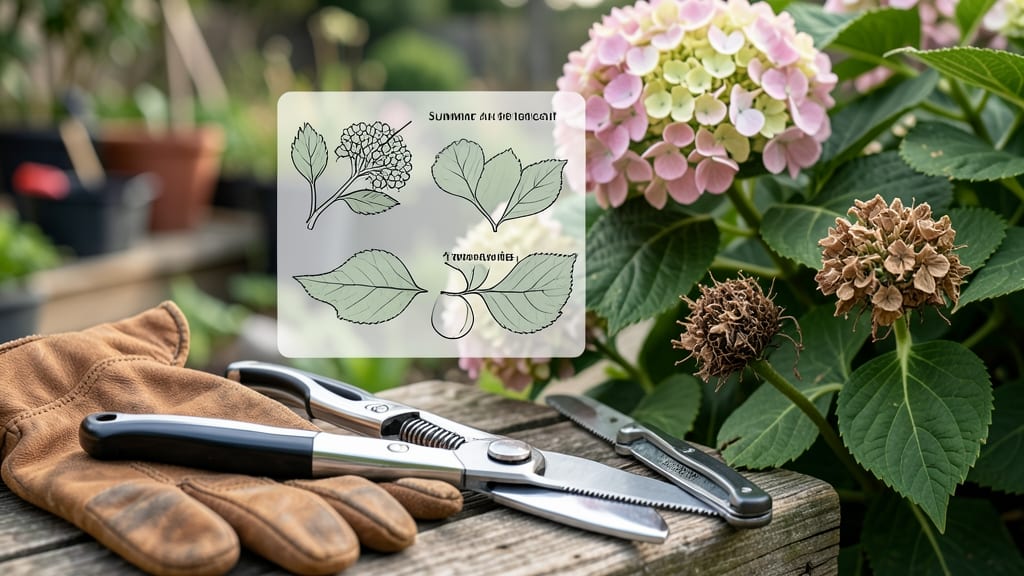
Cutting hydrangea flowers off at the right time ensures next year’s blooms will be bigger and more abundant than ever before.
Pruning hydrangeas at the wrong time can mean fewer blooms next season—or even killing your plant entirely. Timing your cuts during late winter dormancy is the secret to lush, vibrant flowers all summer long.
If you’ve ever stared at your hydrangeas in late winter, wondering whether to trim now or wait, you’re not alone. The key is understanding your hydrangea type—mophead, lacecap, or panicle—and when they’re safest to prune.
In this guide, I’ll walk you through the exact late winter timing, step-by-step pruning techniques, and the tools you’ll need to keep your hydrangeas thriving for years to come.
The exact late winter timing for cutting hydrangea flowers
Timing your hydrangea pruning in late winter is the difference between a bloom explosion next summer and a sparse, underwhelming display. The science-backed window for pruning—right after the last frost but before new growth starts—ensures you’re cutting back old wood while preserving next year’s flower buds hidden in the stems.
Most hydrangea varieties—including bigleaf, oakleaf, and panicle types—rely on last year’s growth to produce blooms. Cutting too early risks removing next year’s buds, while waiting too long can stress the plant before spring.
The key is to prune when your hydrangea is fully dormant but before sap starts flowing.
| Hydrangea Type | Best Pruning Time | What to Look For | Avoid Cutting |
|---|---|---|---|
| Bigleaf (Mophead/Lacecap) | Late February–March (USDA Zone 6+) | Dormant stems, no green tips | After buds swell (April) |
| Oakleaf Hydrangea | Late February–early March | Brown stems, no leaf buds | Before last frost (Jan) |
| Panicle Hydrangea | Late winter (Feb–March) | Dormant, no green shoots | After buds appear (spring) |
| Reblooming Types (e.g., 'Endless Summer') | Late winter OR late summer | Dormant OR after first bloom | Cutting old wood in spring |
For USDA Zones 6–9, aim to prune between February 15 and March 15, depending on your local frost dates. Check your hydrangea’s stems—if they’re still brown and brittle, it’s safe to cut.
If you see green tips or swelling buds, wait a few weeks. This dormant period is your golden window for pruning.
Use sterilized pruning shears to make clean cuts just above a bud or node. For bigleaf hydrangeas, cut back 1/3 of the oldest stems each year to encourage new growth. Panicle hydrangeas, like 'Limelight,' can be pruned harder since they bloom on new wood.
Always remove dead or diseased wood first—this prevents pests and diseases from spreading.
One common mistake is pruning too late, which delays spring growth. If you miss the late winter window, wait until early spring—but never prune after buds swell in April.
Another error is over-pruning, which removes too many stems and reduces next year’s flower potential. Aim to leave at least 3–5 strong stems per plant.
After pruning, mulch around the base with 2–3 inches of organic mulch to protect roots from temperature fluctuations. Water deeply but infrequently during late winter to encourage root growth. By mid-spring, you’ll see new shoots emerging—proof your pruning paid off for a showstopping summer display.
Pro tip: Label your hydrangeas before pruning if you have multiple varieties. This helps you remember which stems to cut back harder (like panicle types) and which to prune lightly (like lacecap hydrangeas). A simple garden marker with the variety name saves time and stress later in the season.
If you’re unsure about your hydrangea’s variety, snap a photo and compare it to online guides or consult a local nursery. Some reblooming hybrids, like 'Nikko Blue,' can handle late summer pruning too—but stick to late winter for maximum blooms.
The earlier you prune, the more time your hydrangea has to recover and set next year’s buds.
Remember: Patience is key. Hydrangeas pruned in late winter may not show dramatic growth until late spring or early summer. But trust the process—your timely cuts are setting the stage for bigger, healthier blooms all season long.
With the right timing, your hydrangea will reward you with vibrant clusters that turn heads from June through September.
How to prune different hydrangea types for optimal growth
Not all hydrangeas respond the same way to pruning—getting this wrong can mean fewer blooms or even dead stems. Each variety has unique needs, from mophead hydrangeas that bloom on old wood to panicle types that thrive with aggressive cuts.
Understanding these differences ensures your plant stays healthy and bursting with flowers every season.
Pruning at the wrong time or cutting the wrong stems can stunt growth or eliminate next year’s blooms entirely. For example, lacecap hydrangeas need gentle pruning, while smooth hydrangeas can handle hard pruning without fear.
Let’s break down the exact steps for each type to keep your hydrangeas lush and vibrant.
| Hydrangea Type | Best Pruning Time | Stems to Cut Back To | Amount to Remove | Key Tip |
|---|---|---|---|---|
| Mophead (Bigleaf) | Late winter (Feb-Mar) | First bud cluster from base | Remove 1/3 of oldest stems | Never cut old wood—blooms form on previous year’s growth. |
| Lacecap | Late winter (Feb-Mar) | Just above lowest bud | Remove dead or weak stems | Light pruning—avoid heavy cuts to preserve next year’s blooms. |
| Smooth (Annabelle) | Early spring (March) | Ground level or 2-3 buds up | Cut back by 1/2 to encourage new growth | Hard pruning boosts bushiness—ideal for reblooming types. |
| Panicle | Late winter (Feb-Mar) | First bud cluster or ground level | Remove up to 1/3 of oldest stems | Blooms on new wood—aggressive pruning works best. |
For mophead hydrangeas, focus on removing older stems to encourage new growth while preserving flower buds. Cut just above the first bud cluster near the base, but never trim back into old wood—this is where next year’s blooms form.
Use clean, sharp pruners to avoid damaging stems and reduce disease risk.
If you have panicle hydrangeas, like Limelight or Little Lime, you can be more aggressive with pruning. These varieties bloom on new wood, so cutting back harder in late winter stimulates denser growth and larger blooms.
Aim to remove up to 1/3 of the oldest stems to keep the plant vibrant and full.
Always sterilize your pruning tools with rubbing alcohol before and after use to prevent bacterial infections. Wear gloves to protect your hands from sharp stems and sap. After pruning, apply a layer of mulch around the base to retain moisture and protect roots as temperatures warm up.
Timing is everything—prune too early, and you risk damaging dormant buds. Prune too late, and you may miss the optimal growth window. For most hydrangeas, late winter (just as new growth begins) is the sweet spot for optimal blooming.