
Flowers
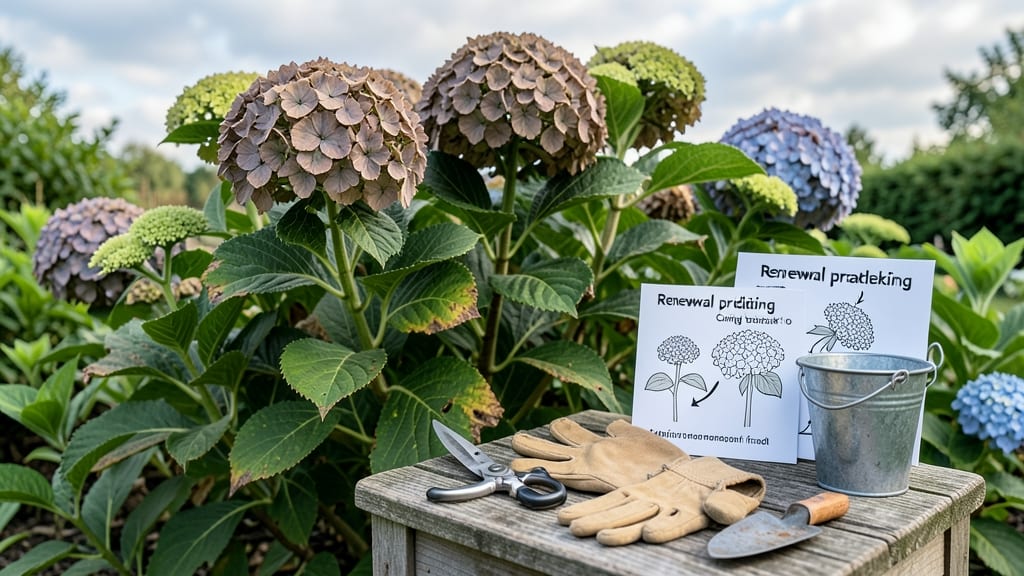
Cutting hydrangea flowers at the wrong time can mean sacrificing next year’s blooms—or worse, damaging your plant’s health.
You’ve spent months admiring your 🌸 hydrangeas, and now comes the tricky part: knowing when to prune. Get it wrong, and you might end up with sparse blooms—or no blooms at all.
The best time depends on your hydrangea type, and understanding the difference between old-wood and new-wood bloomers is the key to keeping your shrubs thriving.
For mophead and oakleaf varieties, which bloom on last year’s wood, prune right after they finish flowering—typically in late summer or early fall. Meanwhile, panicle and smooth hydrangeas, which bloom on new growth, can handle a late-winter trim without risking next season’s flowers.
Below, I’ll break down the exact timing for each type, plus the tools and techniques to prune like a pro—so you can enjoy lush, vibrant blooms year after year.
Hydrangea pruning timeline by bloom type: old wood vs new wood
Pruning hydrangeas correctly is all about understanding whether your plant blooms on old wood or new wood. Cutting at the wrong time can mean skipping next year’s showstopping blooms—or worse, damaging your shrub.
Let’s break down the seasonal pruning windows for the four most popular types: mophead, oakleaf, panicle, and smooth hydrangeas. Each has unique needs, and timing is everything.
Hydrangeas that bloom on old wood (like mophead and oakleaf) set their buds in the previous summer or fall, so pruning too late can remove next year’s flowers. Meanwhile, new wood bloomers (like panicle and smooth hydrangeas) produce flowers on current season’s growth, giving you more flexibility.
Knowing which category your hydrangea falls into is the first step to stress-free pruning.
| Hydrangea Type | Bloom Wood Type | Pruning Time | What to Cut | Avoid Cutting |
|---|---|---|---|---|
| Mophead (Bigleaf) | Old Wood | Late winter (after last frost) | Dead stems, overcrowded branches | Green stems with buds (next year’s blooms) |
| Oakleaf | Old Wood | Late winter (Feb-March) | 30% of oldest stems (3-5 years old) | Any stems with swollen buds |
| Panicle | New Wood | Early spring (March-April) | Spent blooms, weak stems | Healthy green stems with buds |
| Smooth | New Wood | Early spring (March-April) | Dead flowers, crossing branches | Any buds not yet open |
For mophead hydrangeas, prune in late winter (after the last frost) to avoid cutting off next year’s blooms, which form on old wood.
Look for dead or crossing branches—these are safe to remove. Oakleaf hydrangeas also bloom on old wood, so prune in February or March, focusing on removing older stems at the base to encourage new growth.
If you have panicle or smooth hydrangeas, you’re in luck—they bloom on new wood, meaning you can prune anytime in early spring without worrying about next year’s flowers.
These types are more forgiving and often rebloom prolifically after pruning. Just avoid cutting back into last year’s growth unless it’s dead or diseased.
One common mistake is pruning too late in the season. For old wood bloomers, waiting until summer or fall can mean losing next year’s blooms entirely. For new wood types, late pruning can reduce the number of flowers, as the plant needs time to regenerate.
Always prune when the plant is dormant or just waking up for the best results.
Use sharp, clean pruners to make 45-degree cuts just above a leaf node or bud. This encourages healthier regrowth. After pruning, mulch around the base to retain moisture and protect roots, especially if you’ve done heavy pruning. Water deeply afterward to help the plant recover.
If your hydrangea hasn’t bloomed as expected, it might be due to over-pruning or pruning at the wrong time. For old wood types, never remove more than 30% of the plant in one season.
For new wood types, you can be more aggressive with shaping, but avoid cutting back into old wood unless it’s necessary.
Mark your calendar now: late winter for old wood hydrangeas and early spring for new wood types. With the right timing, your hydrangeas will reward you with
Step-by-step pruning guide: how to cut without sacrificing next year’s flowers
Pruning hydrangeas might seem intimidating, but mastering the right technique and timing ensures your shrub thrives. The key is understanding whether your hydrangea blooms on old wood (last year’s growth) or new wood (current year’s growth).
Cutting at the wrong time can mean fewer—or no—flowers next season. Let’s break it down into clear, actionable steps to keep your hydrangea healthy and blooming beautifully.
Before you grab your pruners, gather these essential tools: sharp bypass pruners, loppers for thicker stems, disinfectant (to prevent disease), and gloves. Always sterilize your tools with rubbing alcohol to avoid spreading bacteria between cuts.
Start by removing dead or diseased branches first—they’ll only drain your plant’s energy. Next, focus on shaping the bush while preserving next year’s blooms.
Here’s your step-by-step guide to pruning hydrangeas without sacrificing future flowers:
-
Step 1: Identify Your Hydrangea Type
- Old Wood Bloomers (Mophead, Oakleaf): Prune immediately after flowering (late summer/early fall).
- New Wood Bloomers (Panicle, Smooth): Prune in late winter or early spring (before new growth starts).
-
Step 2: Remove Dead or Damaged Stems
- Cut dead stems at the base using clean pruners. Look for brown, brittle branches with no signs of life.
- Avoid cutting into green, healthy growth—this harms the plant.
-
Step 3: Thin Out Crowded Branches
- Select 3-5 strongest stems per plant to encourage airflow and larger blooms.
- Remove weak or crossing branches at the base to shape the bush.
-
Step 4: Prune for Shape (Old Wood Types)
- For mophead hydrangeas, cut back spent flower heads but leave last year’s buds intact.
- Avoid heavy pruning—never cut more than 1/3 of the plant at once.
-
Step 5: Hard Prune (New Wood Types)
- For panicle hydrangeas, cut back 1/2 to 2/3 of the plant in late winter.
- Trim just above a bud or leaf node to encourage new growth.
-
Step 6: Deadhead for Extended Blooms
- Pinch off faded flowers on reblooming types (like Endless Summer) to encourage new blooms.
- Do this throughout the growing season for continuous flowers.
-
Step 7: Clean Up and Mulch
- Remove all pruned debris from the garden to prevent pests.
- Apply 2-3 inches of mulch around the base to retain moisture.
One of the biggest mistakes gardeners make is pruning too late in the season. For example, cutting back old wood hydrangeas in spring removes next year’s flower buds before they form.
Always wait until after your hydrangea has finished blooming—or in the case of new wood types, prune before new growth begins in spring. This ensures your plant has time to recover and produce stunning blooms.
Another common error is using dull or dirty tools, which can tear stems and spread disease. Always use sharp, sterilized pruners to make clean cuts at a 45-degree angle just above a bud or node.
This promotes faster healing and healthier regrowth. If you’re unsure whether a stem is dead, scratch the bark—if it’s green underneath, it’s still alive and should stay.
After pruning, give your hydrangea a light fertilizer to support new growth. Water deeply to help it recover, especially if you’ve done significant shaping. With the right timing and technique, your hydrangea will reward you with vibrant, abundant blooms for years to come. Happy pruning! 🌸