
Planting
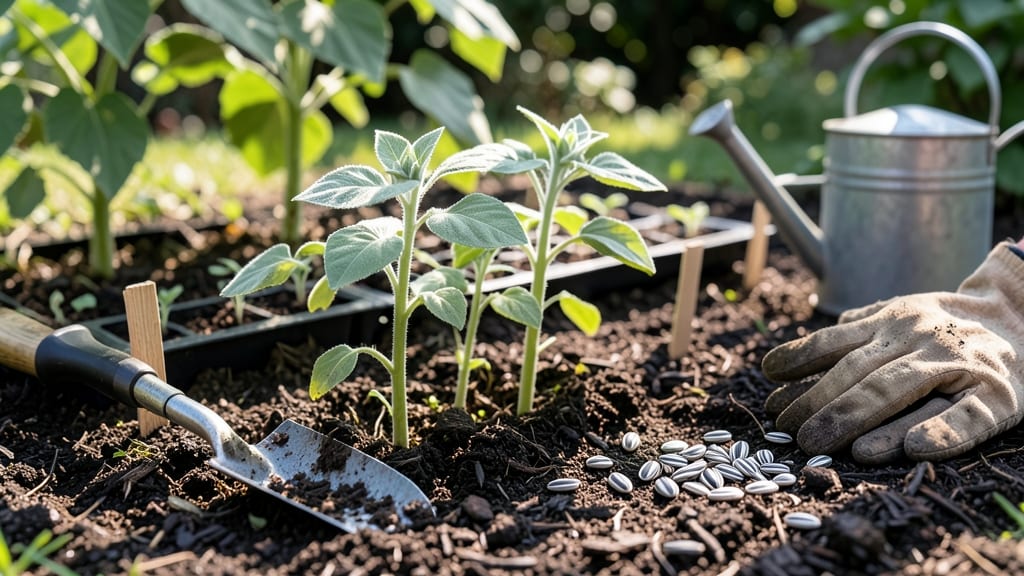
To direct sow sunflowers 🌻, wait until after your last frost date—typically mid-April to May—when soil temperatures hit at least 60°F.
Sunflowers bring vibrant color and joy to any garden—but planting them at the wrong time can mean stunted growth or worse, no blooms at all. Timing is everything, especially when direct sowing these sun-loving giants for maximum height and yield.
In USDA Zone 6a (like much of the Midwest), that usually means late April or early May, but cooler zones need to wait even longer. The key is warm soil and consistent sun—no early sowing, or you’ll risk rot or weak seedlings.
Below, I’ll break down the exact frost-free window for your zone, how to prep soil for fast germination, and the spacing tricks that ensure towering, healthy blooms by summer.
Optimal direct sowing dates by USDA planting zones for sunflower success
Getting your sunflowers in the ground at the right time ensures strong stems, vibrant blooms, and maximum height. Since sunflowers thrive in warm soil and long daylight hours, timing varies dramatically across USDA zones.
In colder zones (3-5), you’ll plant much earlier than in warm climates (9-11), where late sowings still work if soil stays above 60°F.
To find your exact last frost date, check NOAA’s Frost/Freeze Products or your local agricultural extension service. Most sunflower varieties need 60-120 days to mature, so adjust your planting window based on your zone and chosen variety.
For example, 'Mammoth' sunflowers (giant varieties) need the full growing season, while 'Teddy Bear' (dwarf) can tolerate shorter seasons.
Soil temperature is critical—sunflower seeds won’t germinate below 60°F. Use a soil thermometer to confirm warmth before sowing. If your soil is still cool, wait a few weeks or use black plastic mulch to warm it faster. In zones 9-11, you can even direct sow as late as June for fall blooms, but avoid planting when nights are too short (12 hours of daylight).
In USDA zones 3-5, aim to sow seeds 2-3 weeks after your last frost date. Cold soil delays germination, so wait until the ground warms to at least 60°F—this is usually late April or early May.
For extra protection, use row covers or plant in black plastic mulch to speed up soil warming. If you’re growing 'Russian Giant' sunflowers, start seeds indoors 4-6 weeks before your last frost for a head start.
Gardeners in zones 6-8 have the most flexibility, with ideal planting windows from mid-April to mid-May. This range accounts for both early and late varieties. For dwarf sunflowers, you can even push sowing to June for smaller, late-season blooms.
Always check your local extension service for precise frost dates, as microclimates can shift planting windows by weeks.
If you live in zones 9-11, you’re in luck—sunflowers thrive in your warm climate! You can direct sow as early as March for spring blooms or as late as June for fall displays.
Just ensure soil stays above 60°F and provide consistent moisture during dry spells. In these zones, sunflowers often grow bolder and taller due to longer daylight hours.
Pro tip: Use a planting calendar or set reminders based on your zone. For example, in Zone 7, mark April 15-May 15 as your ideal window. If you miss it, don’t panic—sunflowers are resilient!
You can still sow up to June 1 in most zones, though expect smaller blooms. For giant varieties, prioritize early planting to maximize height and seed production.
To test if your soil is ready, stick your finger 1 inch deep—if it’s warm to the touch, it’s time to plant. For extra confidence, bury a thermometer for 24 hours to confirm 60°F+.
Once seeds sprout, thin seedlings to 12-24 inches apart (depending on variety) to give them room to grow. With the right timing, your sunflowers will reward you with stunning blooms and maybe even edible seeds!
🌻
How to adjust planting time for giant vs. dwarf sunflower varieties
Not all sunflowers are created equal—and neither are their planting windows! Giant varieties like 'Mammoth' need a head start to reach their towering potential, while dwarf types like 'Teddy Bear' can wait until warmer soil arrives.
The difference in timing directly impacts their mature height and bloom success. Let’s break down when to plant each for stunning results.
For giant sunflowers (6-15 feet tall), aim to sow seeds 4-6 weeks before your last frost date. This early start allows their deep taproots to establish before rapid summer growth kicks in. Without this head start, they’ll struggle to reach their full height potential before cooler weather arrives.
| Variety Type | Planting Window | Key Considerations | Mature Height |
|---|---|---|---|
| Giant (e.g., 'Mammoth') | 4-6 weeks before last frost | Needs long growing season; frost-sensitive | 6-15 ft |
| Dwarf (e.g., 'Teddy Bear') | 2-3 weeks before last frost | Tolerates cooler soil; faster bloom time | 1-3 ft |
| Semi-Dwarf (e.g., 'ProCut') | 3-4 weeks before last frost | Balanced timing for medium height | 3-6 ft |
In contrast, dwarf sunflowers thrive when planted just 2-3 weeks before your last frost. Their shorter stature means they don’t need as much time to mature, making them perfect for container gardens or late-season plantings.
These varieties also handle cooler soil temperatures better, reducing the risk of seed rot if planted too early.
For semi-dwarf varieties like 'ProCut', a 3-4 week window before last frost strikes the perfect balance. These plants benefit from early starts but aren’t as frost-sensitive as giants. If you’re in a shorter growing season, prioritize semi-dwarfs—they’ll still deliver bold blooms without requiring a marathon growing period.
Pro tip: Use a soil thermometer to confirm soil temps are at least 60°F before planting dwarfs. Giant varieties can tolerate slightly cooler soil (55°F) when sown early, but their root development will lag without warmth.
Adjust your timing based on your USDA zone—Zone 5 gardeners should plant giants in early April, while Zone 9 can wait until late March.
Remember, direct sowing is best for sunflowers—they hate transplanting! Whether you’re growing 10-foot giants or compact dwarfs, getting the timing right ensures your sunflowers will thrive, not just survive. 🌻