
Fertilization
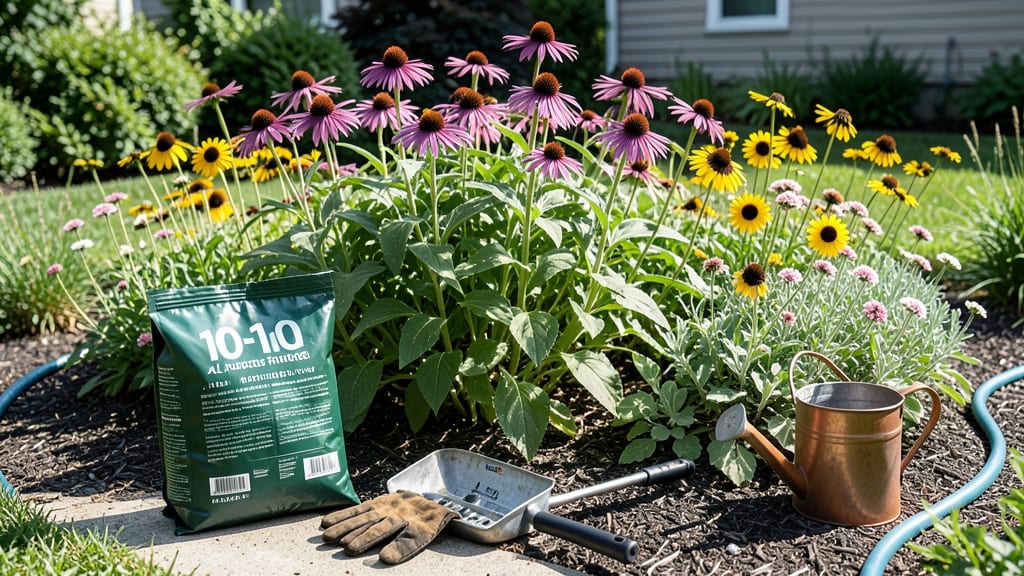
To fertilize flowers at the right time means feeding them just as they’re about to burst into color—usually 4-6 weeks after planting in spring, then again mid-summer to keep blooms coming.
Struggling to get your flowers to bloom as vibrantly as they do in garden centers? Timing your fertilization correctly is the secret weapon most gardeners overlook—and it could mean the difference between lackluster blooms and a showstopping display.
Think of it like a seasonal rhythm: too early, and you’ll fuel leafy growth instead of flowers; too late, and you’ll miss the peak bloom window.
The key is matching your fertilizer schedule to your flowers’ natural cycle—whether they’re annuals racing to flower or perennials storing energy for next year.
Below, I break down the exact timing for spring, summer, and fall feeding, plus how to spot when your flowers are actually hungry (hint: it’s not just about the calendar).

The best times of year to fertilize flowers for maximum blooms
Timing your flower fertilization is like scheduling a performance—miss the cues, and your garden misses its star turn. Most gardeners focus on planting dates and watering routines, but fertilization timing determines whether your blooms are vibrant showstoppers or faded disappointments.
The secret? A seasonal schedule tailored to your climate zone and plant types.
In cool climates (zones 3-7), early spring and late summer are your prime fertilization windows, while warm climates (zones 8-11) can extend feeding into fall. The key is matching your fertilizer applications to your plants' growth cycles—not just throwing nutrients at them whenever you think of it.
Let's break down the optimal fertilization calendar to keep your flowers blooming all season.
| Season | Climate Zone | Best Fertilization Time | Fertilizer Type | Plant Examples |
|---|---|---|---|---|
| Early Spring | Cool (3-7) | April-May (after last frost) | Balanced (10-10-10) or compost | Tulips, Dahlias, Peonies |
| Early Spring | Warm (8-11) | March-April | High phosphorus (5-10-5) | Petunias, Marigolds, Zinnias |
| Peak Summer | All Zones | June-August (every 4-6 weeks) | Bloom booster (10-20-10) | Roses, Hydrangeas, Sunflowers |
| Late Summer | Cool Zones | August-September | Low nitrogen (5-10-10) | Chrysanthemums, Asters |
| Fall | Warm Zones | September-October | Organic compost | Perennials, Bulbs |
Your early spring fertilization (March-April in warm zones, April-May in cool zones) sets the stage for the entire season. This is when you want to stimulate root growth and build plant vigor before blooming begins.
For perennials like peonies and bulbs like tulips, this feed helps them replenish energy stores after winter dormancy.
In peak summer months (June-August), shift to a bloom-boosting fertilizer with higher phosphorus (the middle number in NPK ratios). This encourages flower production rather than leafy growth.
I like to use a 10-20-10 formula for my annuals like zinnias and petunias—it gives them that extra push to keep producing showy blooms all season long.
Don't forget about late-season feeding in cool climates (August-September) or warm zones (September-October). This isn't about encouraging new growth but rather replenishing soil nutrients for next year's blooms.
A low-nitrogen fertilizer or compost top dressing works perfectly here—think of it as preparing your soil for winter while giving your plants one last energy boost.
One common mistake I see is fertilizing in winter or right after planting new flowers. Newly planted flowers need time to establish roots before they can benefit from fertilizer. Wait 4-6 weeks after transplanting before applying any nutrients. Similarly, dormant perennials in winter don't need feeding—they're resting, not growing.
For container-grown flowers, follow the same seasonal timing but adjust quantities. Since potted plants have limited root zones, I use about half the recommended dose of granular fertilizer and apply it every 3-4 weeks during the growing season. Always water thoroughly after fertilizing to prevent root burn.
How to recognize when your flowers need fertilizer (not guessing!)
Every gardener knows the frustration of watching flowers that refuse to bloom or leaves that turn a sad shade of yellow.
These are classic signs your flowers need fertilizer, but many of us wait too long—or fertilize when we shouldn’t. The key is learning to read your plants like a pro.
I’ve spent years watching my petunias and zinnias send me SOS signals, and once you know what to look for, you’ll never guess again.
Start with the leaves. Yellowing between the veins on older leaves? That’s often a nitrogen deficiency. Purple or reddish stems and undersides of leaves? Your flowers are screaming for phosphorus.
Weak, spindly stems that flop over like overcooked spaghetti? That’s a potassium shortage. These visual cues are your plant’s way of saying, “Feed me, but do it right!”
🌱 When to Fertilize Flowers: Organic vs. Synthetic
✅ Organic Fertilizers
- Best for: Long-term soil health
- Examples: Compost, fish emulsion, bone meal
- Pros: Improves soil structure, slow release
- Cons: Slower results, may attract pests
⚖️ Synthetic Fertilizers
- Best for: Quick nutrient boosts
- Examples: 10-10-10, 5-10-20 (high phosphorus)
- Pros: Fast-acting, precise nutrient ratios
- Cons: Can burn roots, requires frequent application
💡 Pro Tip: For annuals like marigolds, use synthetic for quick blooms. For perennials like daylilies, organic builds soil for years.
Don’t just rely on leaf color—check the roots too. Dig gently around the base of your plant (if it’s not potted) or check the drainage holes in containers. Healthy roots should be white or light tan.
Dark, mushy roots? That’s root rot, often caused by over-fertilizing. If your soil smells sour or looks compacted, it’s time to amend with compost before adding any fertilizer.
For a DIY soil test, grab a handful of moist soil and squeeze it. If it crumbles easily, it’s well-draining. If it stays in a clump, it’s too dense. For a quick pH test, use a DIY kit from your local garden center (they’re cheap and accurate).
Most flowers thrive in slightly acidic to neutral soil (pH 6.0–7.0). If your test shows pH outside this range, adjust with lime (to raise pH) or sulfur (to lower pH) before fertilizing.
Timing matters just as much as what you use. Fertilize in the morning when temperatures are cooler, and always water thoroughly after applying. This prevents fertilizer burn and helps nutrients reach the roots.
I make it a habit to fertilize my container flowers every 4–6 weeks during the growing season, but I cut back in late summer to avoid encouraging late-season growth that won’t survive frost.
Remember, less is often more. Over-fertilizing can lead to lush foliage but fewer blooms, as the plant focuses on leaves instead of flowers. If you’re unsure, start with half the recommended dose and monitor your plants’ response.
With practice, you’ll develop a sixth sense for when your flowers are whispering, “I need a little more love.”