
Flowers
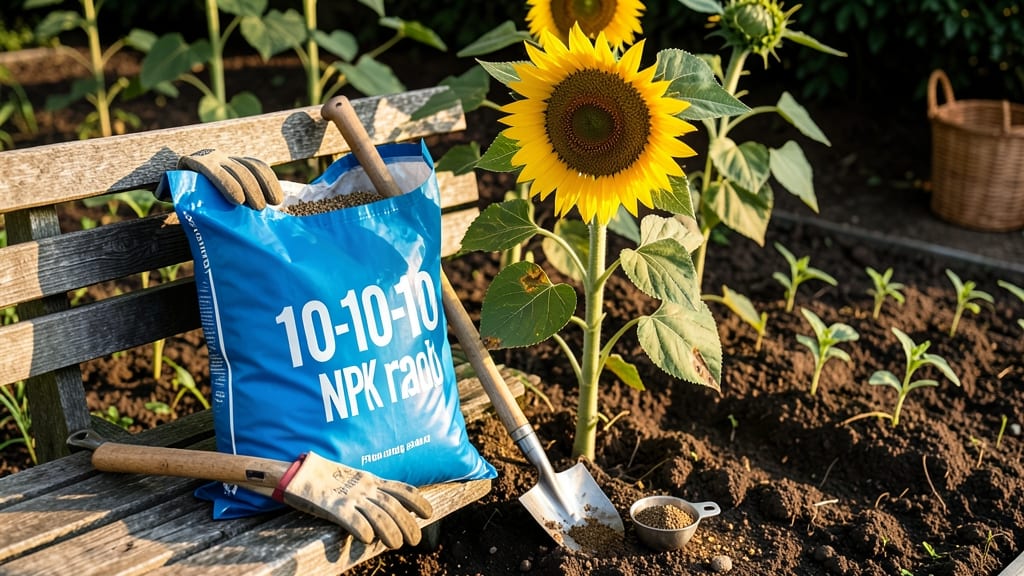
Fertilizing sunflowers at the right time is the key to growing those towering 🌻 stalks you’ve always dreamed of—skip it, and you’ll end up with weak stems and lackluster blooms.
Here’s the truth: most gardeners overthink it, either feeding too early (burning delicate seedlings) or too late (missing the growth window). The secret lies in two precise moments—once when your plants are 6–8 inches tall and again when they’re halfway to flowering.
Why does timing matter so much? Sunflowers are fast growers, and their nutrient needs shift dramatically from leafy greens to blooms. Too much nitrogen early? You’ll get lush foliage but no flowers. Too little phosphorus later? Your seed heads won’t develop properly.
In this guide, I’ll walk you through the exact when, what, and how of fertilizing sunflowers—plus how to spot over-fertilization before it’s too late. By the end, you’ll know exactly when to feed for bigger blooms and stronger stalks, no guesswork required.

Best times to fertilize sunflowers for maximum growth & flower production
Sunflowers are hungry plants that need the right nutrients at the right time to reach their full potential. Unlike many flowers, they thrive with moderate nitrogen early on and balanced nutrients during flowering. The key is applying fertilizer at three critical stages: pre-planting, early growth, and mid-season.
Timing matters because too much fertilizer too soon can cause leafy growth at the expense of flowers, while waiting too long may result in weak stems or small blooms.
Before you grab that bag of fertilizer, test your soil. Sunflowers prefer slightly acidic to neutral soil (pH 6.0-7.0). If your soil is deficient in nutrients, a simple test will tell you whether you need to add phosphorus, potassium, or organic matter.
Most gardeners skip this step and regret it later—don’t let that be you! A soil test kit (available at garden centers for under $20) is a small investment for big results.
⚠️ NON-NEGOTIABLE: Never fertilize sunflowers in late summer or fall. This encourages new growth that won’t harden off before frost, leading to winterkill. The goal is to support growth without extending the season unnecessarily.
For organic gardeners, I recommend starting with compost or well-aged manure before planting. These add nutrients gradually and improve soil health long-term.
If you’re using synthetic fertilizers, opt for a balanced NPK (5-10-10 or 10-10-10) to avoid overloading your sunflowers with nitrogen, which can lead to leafy monsters with no flowers.
Pro tip: Mix fertilizer into the top 2-3 inches of soil rather than sprinkling it on the surface—this prevents root burn and ensures nutrients reach where they’re needed.
One of the biggest mistakes I see is over-fertilizing sunflowers in late summer. By August, your plants are already shifting energy toward seed production. Adding fertilizer at this stage can cause weak stems that snap in wind or bitter-tasting seeds.
Instead, focus on watering deeply and mulching to retain moisture and nutrients in the soil.
If you’re growing sunflowers in containers or poor soil, you’ll need to fertilize more frequently—about every 3-4 weeks during the growing season. Container-grown sunflowers also benefit from a slow-release fertilizer like Osmocote, which feeds them steadily without the risk of overapplication.
For in-ground plants, a single mid-season boost is usually enough if you prepped the soil well.
Watch your sunflowers closely after fertilizing. Yellowing leaves can signal over-fertilization, while stunted growth may mean they need more nutrients. If you notice burnt leaf edges, flush the soil with water immediately to dilute excess salts.
And remember: less is more with sunflowers. They’re forgiving plants, but they’ll reward you most when you feed them just enough at the right time.
For maximum impact, fertilize in the early
Signs your sunflowers need fertilizer (and when to skip it)
If your sunflowers are showing yellowing leaves, stunted growth, or slow blooming, they might be screaming for nutrients. But before you reach for the fertilizer, let’s diagnose the issue—because sometimes, the problem isn’t a lack of food, but too much of it or poor soil conditions.
I’ve learned the hard way that over-fertilizing can burn roots and stunt growth just as much as under-fertilizing.
Sunflowers are heavy feeders, especially during their first 6-8 weeks of growth. They need a steady supply of nitrogen for leafy growth and phosphorus for strong roots and blooms.
But if your plants are already struggling with pests, disease, or poor drainage, adding fertilizer could make things worse. Always check the basics first!
⚠️ callout-warning ⚠️
- Early spring (before soil warms to 50°F)
- If leaves show brown crispy edges (sign of over-fertilization)
- During drought or heatwaves (plants can’t absorb nutrients)
- When plants are stressed by pests or disease
Fertilizing at the wrong time can burn roots or delay flowering. Always water deeply 24 hours before and after applying fertilizer.
One of the most common sunflower fertilizer mistakes is adding too much nitrogen late in the season. While nitrogen helps leaves grow, it can delay flowering and reduce the size of your sunflower blooms.
Instead, switch to a balanced fertilizer (like 5-10-10) once your plants hit 12-18 inches tall to encourage blooming. I’ve seen sunflowers go from lush greenery to stunning 10-foot stalks with just this simple adjustment!
Pay attention to the color of your leaves. Yellow leaves with green veins often signal nitrogen deficiency, while purple stems or leaves can mean a lack of phosphorus. If your sunflowers are leaning or falling over, they might need potassium for structural support.
A quick soil test (available at garden centers for $20) can save you from guessing—and wasting money on the wrong fertilizer.
Don’t forget that organic matter like compost or well-rotted manure can work just as well as synthetic fertilizers. I’ve had great success mixing 1 inch of compost into the soil at planting time and topping it up every 4-6 weeks during the growing season.
Organic options release nutrients slowly, reducing the risk of burning roots while improving soil health for future plants.
Finally, if your sunflowers are already blooming but the flowers are small or sparse, it’s too late to fertilize for bigger blooms. Focus on watering deeply and supporting stems instead.
The key is to fertilize early and often—but stop once flowering begins. Trust me, your sunflowers will thank you with bold, vibrant blooms that turn heads all summer long!