
Flowers
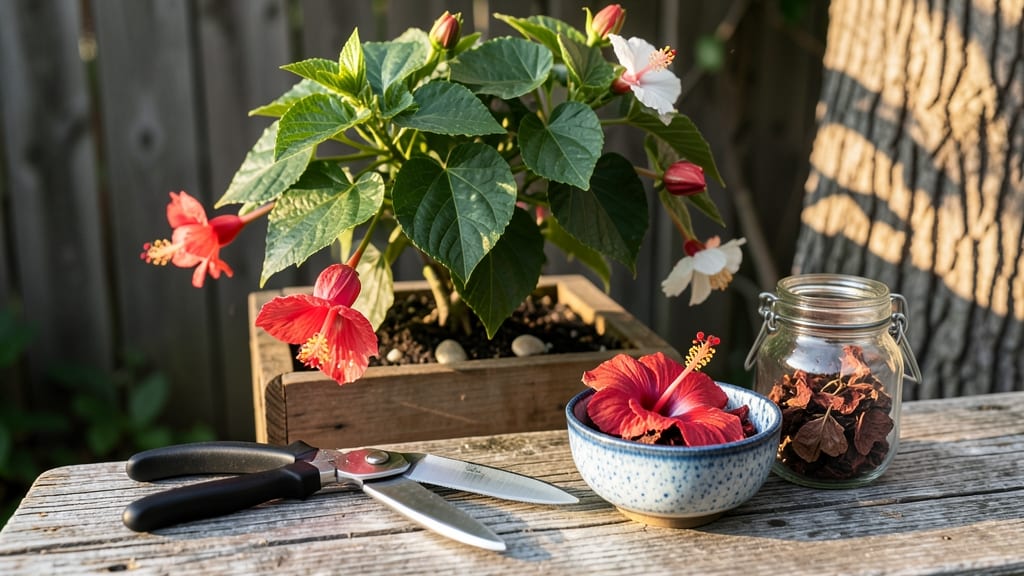
Harvesting hibiscus flowers for tea at the right moment transforms your brew from tart and refreshing to dull and bitter—here’s the exact timing to nail it.
Picture this: you’ve spent months coaxing your 🌸 hibiscus into full bloom, only to pluck a flower that’s either still budding or already fading. That’s the difference between a vibrant cup of tea and a sad, flavorless sip.
Timing matters more than you’d think. The morning is your sweet spot—after dew dries but before the afternoon heat—when petals are crisp and packed with the most flavor. But season plays a role too, since hibiscus blooms peak in July through September in zones like 6a.
Below, I’ll walk you through the visual cues to spot perfectly ripe flowers, the best times of day to harvest, and how to handle them afterward to keep that bright, tangy tea flavor intact.

Best time of day and season to harvest hibiscus for tea
Timing is everything when harvesting hibiscus flowers for tea—picking at the wrong moment can drastically alter flavor, caffeine levels, and tartness. The best time of day and seasonal window directly impact your tea's vibrancy and health benefits.
For example, morning-picked flowers yield a brighter, more tart hibiscus tea compared to afternoon harvests, which can taste bitter due to higher heat exposure.
Sunlight plays a crucial role in flavor development. Hibiscus flowers absorb sunlight throughout the day, converting starches into sugars and acids that influence tartness.
Harvesting in the early morning (after dew evaporates but before 10 AM) captures peak flavor compounds while avoiding the oxidation that occurs later in the day. This timing also preserves the natural caffeine content, which peaks in fully mature flowers.
Seasonally, late summer to early fall (July through September) is ideal for harvesting hibiscus for tea in most USDA zones, including Zone 6a. During these months, flowers reach their maximum tartness and brightest color, thanks to longer daylight hours and consistent warmth.
Spring blooms, while abundant, often lack the intense flavor of their summer counterparts due to cooler temperatures.
Here’s a quick reference to help you plan your harvest schedule for the best hibiscus tea flavor:
| Harvest Factor | Best Time | Why It Matters |
|---|---|---|
| Time of Day | Early Morning (6-9 AM) | Captures dew-free flowers with peak flavor compounds and tartness. |
| Season | Late Summer (July-Sept) | Flowers are fully mature, with highest caffeine and antioxidant levels. |
| Sun Exposure | Full Sun (6+ Hours) | Ensures bright color and optimal tartness in tea. |
| Avoid Harvesting | Afternoon (Post-Noon) | Flowers lose tartness and gain bitterness from heat stress. |
| Post-Frost Window | After April 15 | Frost kills flowers; wait for new blooms in warmer weather. |
If you’re harvesting in spring, focus on the latest blooms of the season, as early flowers may still be developing their full flavor profile. I’ve found that hibiscus grown in containers often bloom slightly earlier than in-ground plants, so adjust your timing accordingly.
For container-grown hibiscus, aim to harvest 2-3 weeks ahead of in-ground varieties to account for the warmer microclimate.
Another key factor is humidity levels. High humidity can cause flowers to wilt or develop fungal spots, which negatively impact tea quality. In humid climates, harvest slightly earlier in the morning to avoid these issues.
Conversely, in dry climates, you might extend your morning window to 10 AM without compromising flavor, as the flowers retain moisture longer.
For organic hibiscus tea, avoid harvesting flowers that have been exposed to pesticides or synthetic fertilizers. If your plants are treated with neem oil or compost tea, wait 48 hours after application before picking to ensure the natural compounds don’t alter the tea’s taste.
This is especially important if you’re growing hibiscus in urban gardens, where air quality can affect flower purity.
Pro tip: Use a sharp pair of pruning shears to harvest flowers, cutting the stem just above a leaf node. This encourages new growth and more blooms. Avoid pulling flowers by hand, as this can damage the plant and reduce future yields.
After harvesting, dry the flowers within 24 hours to lock in flavor—more on this in the next section!
Remember, the goal is tartness, not just quantity. A single morning harvest of fully open, vibrant flowers will yield a far superior tea than a rushed afternoon pick. Your patience will pay off with a bright red hibiscus tea bursting with flavor.
How to identify perfectly ripe hibiscus flowers for tea brewing
Picking hibiscus flowers at the wrong stage can ruin your tea’s tartness and aroma. The best time is when flowers are fully open but still fresh and crisp.
Overripe flowers lose their vibrant color and develop a mushy texture, while underripe buds yield a weak, bitter flavor. Focus on these key visual cues to ensure peak flavor.
Start by examining the flower color. Ideal hibiscus for tea should be bright red, pink, or yellow—never dull or fading. The petals should feel dry to the touch but not brittle, indicating they’ve reached their sweet spot for harvesting.
A gentle tug should make the flower detach easily from the stem without resistance.
Next, check the bud stage. Flowers that are still partially closed or tightly budded won’t develop the full tartness needed for tea. Conversely, flowers that are wilted or dropping petals have passed their prime and will make your brew taste mild and flat.
Aim for flowers that open naturally in the morning sunlight.
Size matters too! The perfect hibiscus flower for tea should be 3-4 inches wide when fully open. Smaller blooms may lack depth of flavor, while oversized flowers can be overly fibrous and harder to dry evenly. Always harvest from the outermost blooms first to encourage new growth.
Avoid harvesting hibiscus flowers after midday heat, as this can cause them to wilt quickly and lose their natural tartness. If you miss the morning window, wait until late afternoon when temperatures drop.
Always use clean, sharp pruners to cut stems at a 45-degree angle, leaving about 1-2 inches of stem attached for drying.
Once you’ve identified the perfect hibiscus, handle them with care. Remove any damaged petals or insects immediately, and avoid washing the flowers unless absolutely necessary—residual dirt can enhance flavor during drying.
Store harvested flowers in a paper bag in a cool, dry place for up to 24 hours before processing to preserve their peak flavor compounds.
With these visual cues and timing tips, you’ll consistently harvest hibiscus flowers that brew into bold, vibrant tea every time. The key is patience and observation—your tea’s quality starts in the garden! 🌺☀️