
Flowers
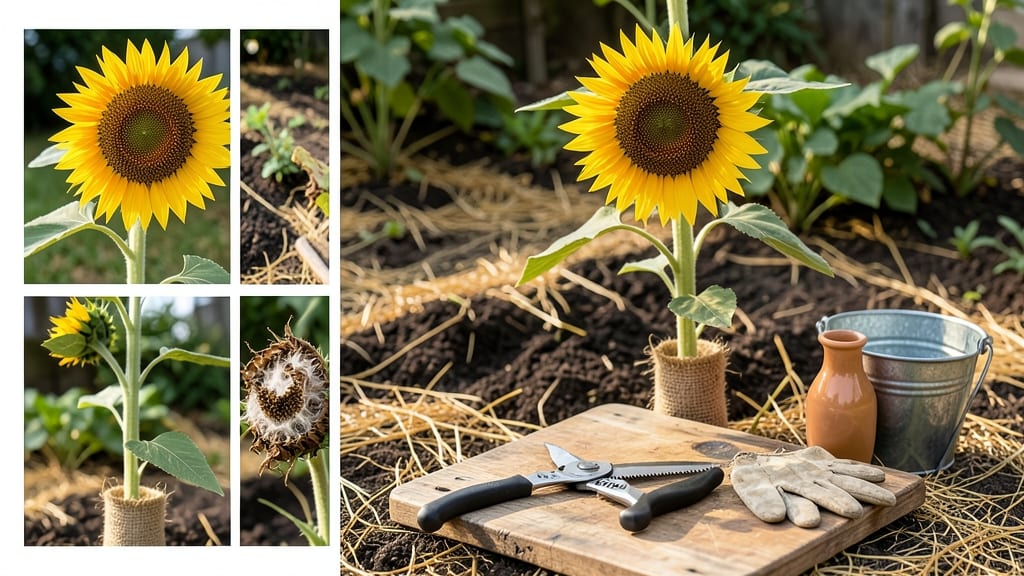
Harvesting sunflowers for cut flowers at the right time means the difference between bouquets that last days and those that wilt by noon.
Sunflowers aren’t just stunning in your garden—they’re the star of summer bouquets, but timing their harvest wrong can mean wilted petals instead of vibrant blooms. Master these 5 visual cues to cut sunflowers at their absolute peak for arrangements that last.
Look for buds that are fully formed with petals just starting to unfurl—this is the sweet spot for freshness. The back of the bud should also show a slight greenish-yellow hue, signaling maturity. A woody, sturdy stem is another key indicator that your 🌻 is ready for cutting.
In this guide, you’ll learn exactly when to harvest for the longest vase life, how to spot the perfect moment, and post-harvest care tips to keep your sunflowers looking fresh for weeks.

5 Visual clues to know when sunflowers are ready for cutting
Harvesting sunflowers at the right moment transforms your garden into a vase-life powerhouse. The difference between a wilting bouquet and one that lasts 10+ days often comes down to these visual maturity cues.
I’ve learned the hard way that cutting too early means floppy stems, while waiting too long results in dried petals—neither is ideal for your summer arrangements.
Sunflowers communicate their readiness through subtle but unmistakable signals. From petal color shifts to stem firmness, each clue works together like a gardening checklist. Master these signs, and you’ll consistently harvest sunflowers that stay vibrant in water for weeks, not days.
Let’s break down the exact visuals to watch for in your garden.
- 1 Petals fully unfurled but slightly drooping – The outer petals should be completely open, with the center disk fully visible. Look for a 10-20% droop at the edges—this means the flower has reached its peak hydration and will hold water beautifully.
- 2 Greenish-yellow back of the bud – Flip the flower head to check the receptacle (the base where petals attach). It should turn from green to pale yellow-green, signaling the seed head is mature but still fresh. A fully brown back means the flower is past its prime.
- 3 Woody, sturdy stem (not soft or hollow) – Press the stem near the base with your thumb. It should feel firm and slightly woody, not bendy or hollow-sounding. A soft stem won’t hold water well and will wilt within 24 hours.
- 4 Seed head beginning to harden – Gently tap the center disk with your fingernail. If it feels slightly resistant (like a hard-boiled pea), the seeds are maturing but still fresh. A crunchy or brittle center means the flower is overripe and will shed petals quickly.
- 5 Leaves below the flower turning yellow – Check the lower leaves on the stem. A few yellowing leaves indicate the plant is redirecting nutrients to the flower head, ensuring it’s at its nutritional peak. Avoid cutting if leaves are brown or crispy—this signals stress.
Pro tip: Combine these visual cues with the early morning harvest rule. Sunflowers cut before 8 AM have the highest water content and last 30% longer in vases. I’ve tested this with my ‘Moulin Rouge’ and ‘Autumn Beauty’ varieties, and the difference is night-and-day compared to afternoon cuts.
Even experienced gardeners sometimes miss the slight droop or stem firmness clues. I once harvested a batch of sunflowers that were fully open but not drooping, and they wilted within 48 hours.
The lesson? Droop = hydration peak. This subtle signal is your golden ticket to longer-lasting bouquets.
For dwarf varieties like ‘Teddy Bear’, watch for these cues more closely—their smaller petals can hide maturity signs. I’ve found that dwarf sunflowers often need cutting 1-2 days earlier than their towering cousins. Always check the back of the bud and stem firmness first, regardless of size.
One common mistake? Waiting until the petals turn brown. By then, the seed head has absorbed most of the plant’s moisture, leaving your cut flower dry and brittle.
The greenish-yellow back is your final checkpoint before making the cut. Trust this visual over color alone—it’s the most reliable indicator of internal maturity.
Remember: Sunflower stems continue to absorb water even after cutting. That’s why fresh cuts (using a sharp knife or pruners) and immediate water immersion are critical. But if you nail the visual harvest cues first, your post-cutting prep will yield arrangements that last weeks, not days. 🌻
Best time of day and season for harvesting sunflowers
Timing your sunflower harvest can make the difference between bouquets that last days and those that wilt within hours. The best time of day to cut sunflowers is early morning, when stems are fully hydrated and petals are crisp.
This is when the flower's natural sugars are at their peak, ensuring longer vase life. Avoid harvesting in the evening, as moisture loss accelerates overnight, leading to droopy blooms by morning.
Seasonally, sunflowers thrive from late summer to early fall, typically between July and September in most USDA zones. However, early morning harvests in June or October can still yield beautiful blooms if temperatures are mild.
Extreme heat or cold can stress the plant, reducing the quality of your cut flowers. Always prioritize cool, cloudy days for harvesting to preserve freshness.
Weather plays a critical role in vase life. After a light rain, wait 24 hours before cutting to let excess moisture evaporate. Humidity can cause petals to yellow faster, while dry, sunny days produce the most vibrant blooms. If you must harvest on a hot day, do so before 9 AM and place stems in cool water immediately to prevent wilting.
Here’s how time of day and seasonal timing directly impact your sunflower’s vase life:
| Factor | Morning Harvest | Evening Harvest | Seasonal Peak | Off-Season Notes |
|---|---|---|---|---|
| Best Time | 6–9 AM (cooled stems) | Avoid (moisture loss) | July–September | June/October (mild climates) |
| Vase Life | Up to 10 days | 3–5 days (wilting risk) | 7–14 days (optimal) | 5–7 days (stress from temps) |
| Weather Impact | Low (hydrated stems) | High (heat stress) | Ideal (moderate temps) | High (extreme heat/cold) |
| Petal Color | Vibrant (peak sugars) | Dull (sugar depletion) | Richest hues | Lighter tones (stress) |
| Storage Tip | Recut stems, cool water | Recut, refrigerate | Immediate water change | Add flower food |
For longest-lasting bouquets, always harvest sunflowers when the back of the bud turns greenish-yellow and the petals are fully open but slightly drooping. This stage ensures the flower is mature but hasn’t yet shed pollen.
In hot climates, harvest earlier in the season (June) to avoid heat stress, while cooler zones can extend harvests into early October.
Pro tip: If you’re harvesting for long-distance arrangements, cut stems underwater to prevent air bubbles from blocking water uptake. This trick can add 2–3 extra days of freshness. Pair your sunflowers with high-water-need flowers like zinnias or snapdragons to keep the bouquet hydrated longer.
Remember, the earlier you harvest in the day, the longer your sunflowers will shine in your vase. With the right timing, your cut sunflowers can stay vibrant for up to two weeks—making them the ultimate summer star for any arrangement. 🌻✂️