
Planting
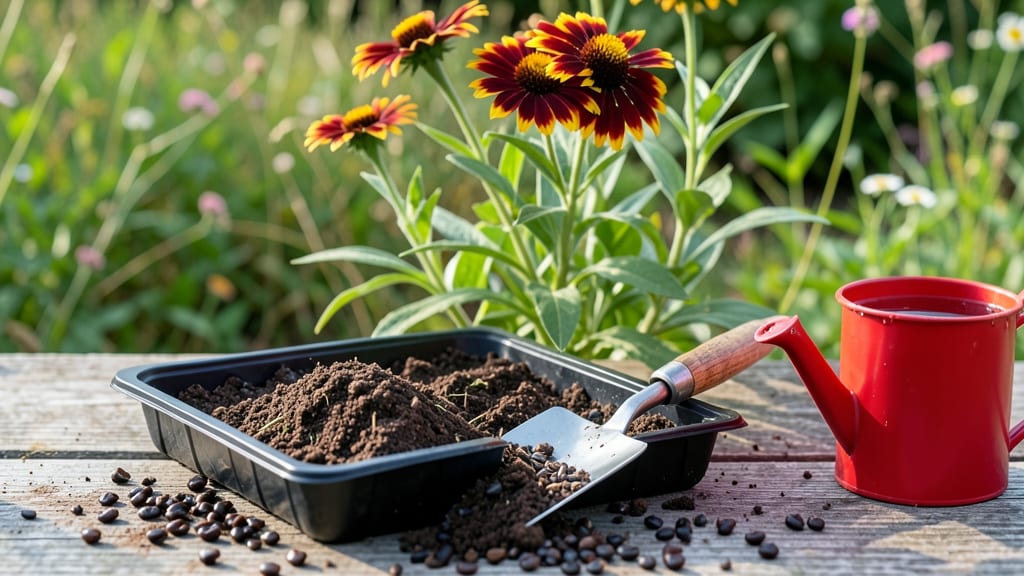
To plant blanket flower seeds at the perfect time ensures bold, long-lasting blooms 🌼 that thrive from summer through fall.
If you’ve ever waited impatiently for those vibrant orange and red blooms only to be met with sparse growth, you know timing is everything.
Blanket flowers (Gaillardia) are hardy but need the right window—too early and they’ll languish in cold soil; too late and you miss their full potential.
For most gardeners in USDA Zone 6a, the ideal planting window is April through June, after the last frost and when soil temperatures hit 60°F. But regional differences mean adjustments—whether you’re sowing directly outdoors or starting indoors for a head start.
Below, I break down the exact timing by zone, soil prep tips, and care tricks to keep your blanket flowers blooming for months. Ready to get started?
Best planting times for blanket flower seeds by US hardiness zones
Blanket flower seeds (Gaillardia) thrive when planted at the right time, but the perfect window depends on your USDA hardiness zone and whether you're starting them indoors or sowing directly outside.
These vibrant perennials need warm soil temperatures (at least 60°F) to germinate well, so timing matters more than most other flowers. Let's break down the best planting windows for zones 3 through 11, including early spring, late spring, and fall options.
For gardeners in cooler zones (3-6), early spring planting after the last frost date gives seeds time to establish before summer heat arrives. Meanwhile, those in warmer zones (7-11) can often sow seeds in late winter or early spring, sometimes even in fall for a spring bloom.
The key is avoiding frost while ensuring seeds don't bake in hot soil too soon. Let's dive into the zone-specific details below.
Pro Tip: Always check your local frost dates—they vary even within zones—and aim to plant 2-4 weeks before your last expected frost for direct sowing. For indoor starts, begin seeds 6-8 weeks before your last frost date to give seedlings a head start.
| USDA Zone | Best Direct Sowing Time | Indoor Start Time | Fall Planting Option? | Soil Temp Requirement |
|---|---|---|---|---|
| Zones 3-4 | Mid-May to early June (after last frost) | Indoor: March 15-April 1 | No (too cold for germination) | 60°F+ |
| Zones 5-6 | Late April to mid-May | Indoor: March 1-April 15 | No (risk of winter kill) | 60°F+ |
| Zones 7-8 | Early March to April (or September for fall) | Indoor: February 15-March 15 | Yes (September-October) | 60°F+ |
| Zones 9-10 | January-February or August-September | Indoor: January (optional) | Yes (August-September) | 60°F+ |
| Zone 11 | Year-round (avoid extreme heat) | Not needed | Yes (any mild season) | 60°F+ |
🌱 Note: Always test soil temperature with a thermometer before planting—seeds won't germinate in cold soil!
In Zones 3-4, where winters are harsh, direct sowing should wait until mid-May to early June after the last frost date. Starting seeds indoors in March gives you a head start, but be prepared to harden off seedlings before transplanting in late spring.
These zones have the shortest growing season, so timing is critical for strong first-year plants.
Gardeners in Zones 5-6 have a slightly longer window, with late April to mid-May being ideal for direct sowing. You can also begin seeds indoors in early March for an earlier bloom.
Fall planting isn't recommended here due to the risk of winter dieback, but you can try sowing in early September for a late-summer display if your area has mild winters.
For Zones 7-8, the options expand significantly. You can sow seeds directly in early March or even in late summer (September) for a spring bloom. Indoor starts in February work well if you want to jumpstart growth. This zone is perfect for experimenting with <
Signs your blanket flower seeds are ready to plant (and when to wait)
Blanket flower seeds (Gaillardia) thrive when planted at the right time, but rushing can lead to poor germination or weak seedlings. The key is watching for soil temperature, moisture levels, and environmental cues that signal your garden is ready.
These drought-tolerant beauties need warmth to sprout, so timing matters more than you might think.
First, check your last frost date—blanket flowers can't handle freezing soil. In most regions, wait until after May 15th (or 2-3 weeks after your last frost) to plant outdoors.
But don't rely solely on dates; your soil's readiness is the real indicator. Cold, damp soil can suffocate seeds before they even sprout.
Too Early: Seeds rot in cold soil (<60°F). Solution: Use row covers or wait until soil warms.
Too Late: Weak seedlings struggle in summer heat. Solution: Start indoors 6-8 weeks before last frost.
Test soil with your finger—if it feels cold and damp 1-2 inches deep, wait a week or two.
To test soil readiness, use the finger test: Stick your finger 1-2 inches deep. If the soil feels warm to the touch (like room temperature) and crumbles easily, it's ready.
For a more precise check, use a soil thermometer—aim for 60°F or warmer. Blanket flowers won't germinate below this threshold, no matter how much you water them.
Moisture is another critical factor. While blanket flowers are drought-tolerant once established, their seeds need consistent moisture to germinate. Water the soil thoroughly 24 hours before planting and keep it evenly moist (not soggy) until seeds sprout.
A quick trick? Press your finger into the soil—if the top inch feels dry, water lightly before planting.
Watch for wildflowers and weeds in your area—they’re nature’s calendar. When you see dandelions blooming or clover sprouting, your soil is likely warm enough for blanket flowers.
These hardy plants are often the first to signal safe planting conditions. Pair this with your soil test, and you’ll have the perfect window.
If you're still unsure, opt for container planting—it gives you more control over soil temperature and moisture. Fill pots with a well-draining mix (like 60% potting soil + 40% perlite) and place them in a sunny spot.
This way, you can extend your planting season by a few weeks without risking the seeds in the ground.