
Plants
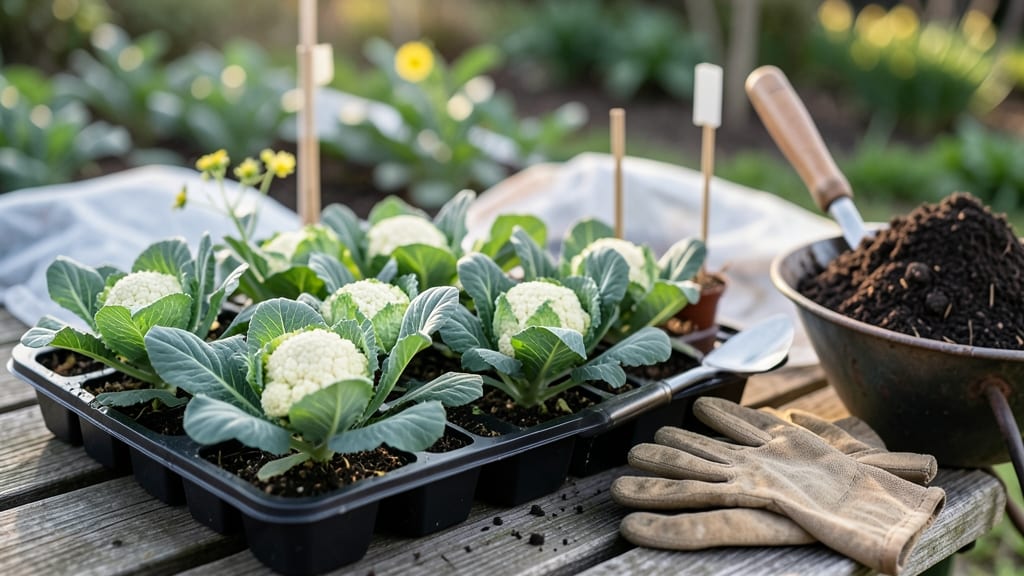
To plant cauliflower in Ohio, time your seedling transplant for mid-April to early June or late July to early August for the best results.
Ohio’s unpredictable frost dates can make or break your harvest—plant too early, and you’ll lose tender heads to cold; too late, and summer heat stresses your plants. Mastering the perfect timing ensures bumper crops of crisp, flavorful 🥬 all season.
Spring plantings need to beat the last frost (around April 15 in most of the state), while fall crops should go in 10-12 weeks before the first frost (mid-October). Get this wrong, and you’re left with stunted heads or bolted plants.
Below, I’ll break down the exact frost-zone planting windows, soil prep tricks to extend your season, and the top Ohio-friendly varieties that handle our climate best.
Ohio cauliflower planting dates by frost Zone: exact timing for success
Ohio’s 5 frost zones (5a-6b) create unique planting windows for cauliflower, where timing directly impacts your harvest. In Zone 5a (northwest Ohio), cold snaps linger longer, while Zone 6b (southwest) enjoys extended growing seasons.
Getting these dates right means the difference between crisp, flavorful heads and bolting plants. Let’s break down the exact windows for spring and fall plantings tailored to your zone.
For spring harvests, start cauliflower seeds indoors 6-8 weeks before your last frost date (typically mid-April in most of Ohio). Transplant seedlings outdoors 4-6 weeks before the last frost—this gives them time to establish roots before warm weather arrives.
In Zone 5a, aim for early April transplants, while Zone 6b gardeners can wait until late April.
Fall plantings are trickier but rewarding. Sow seeds 10-12 weeks before your first frost (usually mid-October) for a late-season harvest. For Zone 5a, this means starting seeds by late July, while Zone 6b can extend to early August.
Direct-sowing in late summer works too, but use row covers to protect young plants from early frosts.
Here’s a quick reference for Ohio’s frost zones and ideal planting windows:
| Frost Zone | Last Frost Date | First Frost Date | Spring Planting Window | Fall Planting Window |
|---|---|---|---|---|
| 5a (e.g., Toledo, Cleveland) | April 15 | October 10 | Indoors: March 1-15 Outdoors: April 1-15 |
Indoors: July 1-15 Outdoors: August 1-15 |
| 5b (e.g., Columbus, Dayton) | April 20 | October 15 | Indoors: March 15-30 Outdoors: April 10-25 |
Indoors: July 15-30 Outdoors: August 10-25 |
| 6a (e.g., Cincinnati, Lexington) | April 25 | October 20 | Indoors: March 20-April 5 Outdoors: April 15-May 1 |
Indoors: July 30-August 10 Outdoors: August 15-September 1 |
| 6b (e.g., Chillicothe, Portsmouth) | May 1 | October 25 | Indoors: March 25-April 10 Outdoors: April 20-May 5 |
Indoors: August 1-15 Outdoors: August 20-September 5 |
Adjust these dates based on microclimates—south-facing gardens warm up faster, while shaded areas may need earlier starts. For example, a raised bed in Zone 5a can push spring planting back by 1-2 weeks due to warmer soil.
Always check your local USDA zone map and track frost dates via resources like the Old Farmer’s Almanac.
Direct-sowing cauliflower outdoors works too, but timing is critical. For spring plantings, sow seeds 2-3 weeks before your transplant window (e.g., mid-March in Zone 6b). Use black plastic mulch to warm the soil and prevent bolting.
In fall, direct-sow 4-6 weeks before your first frost (e.g., early September in Zone 5a) for a quick harvest before cold sets in.
Watch for soil temperature—cauliflower thrives when soil reaches 40°F (4°C) but struggles in heat above 80°F (27°C). In Zone 6b, summer heat can cause plants to bolt prematurely.
If you miss the spring window, opt for heat-tolerant varieties like ‘Cheddar’ or ‘Purple of Sicily’ for fall plantings. These varieties handle Ohio’s late-summer heat better than standard types.
Protect young seedlings with frost cloth if nighttime temps dip below 45°F (7°C). In Zone 5a, this is especially important for late-April transplants.
Remove covers during the day to prevent overheating. For fall plantings, use row covers to extend the season by 2-3 weeks before the first frost.
Common mistakes include planting too late in spring (leading to small, bitter heads) or too early in fall (risking frost damage). Always stagger plantings every 2 weeks for a continuous harvest.
In Zone 6a, for example, plant one batch in mid-April and another in early May to ensure a steady supply.
With these zone-specific dates and a few adjustments for your local climate, you’ll enjoy homegrown cauliflower from July through November. Happy planting! 🥬
How to extend Ohio’s cauliflower growing season: cold hardiness hacks
Ohio’s unpredictable frost dates can turn your cauliflower dreams into disappointment, but with the right cold hardiness hacks, you can push planting windows earlier or later. By using frost protection methods and soil warming tricks, you’ll safeguard tender seedlings and extend your harvest season.
The key is balancing timing with protection—whether you’re planting for a spring harvest or a fall bounty.
Cauliflower thrives in cool temperatures (50–75°F), but Ohio’s late frosts and early heatwaves can derail your plans. The solution? Layered protection strategies that shield young plants while giving them time to mature.
From row covers to companion planting, these techniques help you plant earlier in spring or later in summer without risking your crop.
- 1. Frost Cloth Magic: Use lightweight frost cloth (30g/m²) to protect seedlings when nighttime temps drop below 40°F. Secure it loosely to allow airflow and remove during the day for sunlight.
- 2. Row Covers for Extended Seasons: Install floating row covers over young plants to delay spring planting by 2–3 weeks or extend fall harvests until mid-October.
- 3. Black Plastic Mulch: Lay black plastic mulch 2–3 weeks before planting to warm soil 5–10°F warmer than ambient air, jumpstarting growth in early spring.
- 4. Brassica Buddies: Plant kale or broccoli nearby—these companion plants act as windbreaks and share pests, while their deep roots improve soil structure.
- 5. Cold-Hardy Varieties: Choose ‘Snowball Y Improved’ (tolerates 28°F) or ‘Purple of Sicily’ (heat-resistant) to maximize your window for success.
For early spring plantings, start seeds indoors 6–8 weeks before your last frost date (typically April 15 in Ohio). Transplant hardened-off seedlings outdoors when soil reaches 45°F, using straw mulch to insulate roots. This soil warming trick accelerates growth and reduces frost risk.
In late summer, aim to plant 10–12 weeks before your first frost (around October 15). Use low tunnels with row covers to shield plants from light frosts (28–32°F), pushing harvests into November. Monitor soil moisture closely—cauliflower needs consistent watering to form tight heads, even as temps drop.
Always weigh the risks: early plantings face frost damage, while late plantings may struggle with bolting (premature flowering) if days shorten too quickly. Test your microclimate—a sunny, sheltered spot near your home or garage offers extra protection.
With these cold hardiness hacks, you’ll turn Ohio’s chilly challenges into a longer, more reliable harvest.
Pro tip: Keep a planting journal to track which methods work best in your yard. Note frost dates, soil temps, and harvest success—your data will refine your strategy year after year. Happy growing! 🌱