
Plants
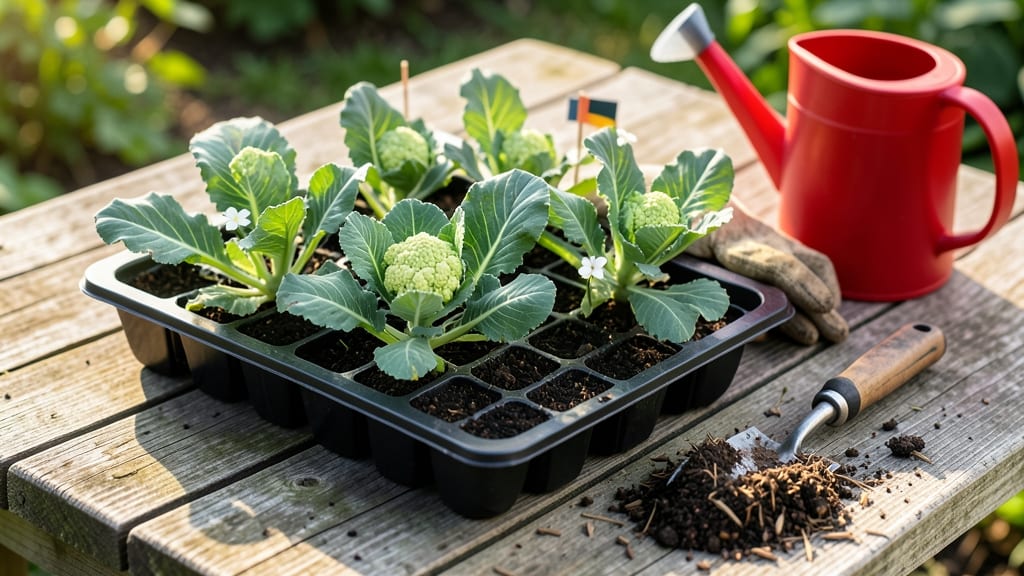
Planting cauliflower in Zone 7 at the right time ensures plump, flavorful heads instead of bitter, bolted greens.
Picture this: you’ve prepped the soil, ordered your seeds, and then—one late frost wipes out your entire crop. Timing matters more than you’d think, especially in Zone 7 where spring and fall windows are tight.
The difference between a 60-day harvest and a wasted season often comes down to when you put those seedlings in the ground.
For Zone 7, the sweet spot is 4–6 weeks before your last frost date—typically mid-March to early April for spring plantings. But don’t stop there: late summer (August–September) also works for a fall harvest, provided you account for soil warmth and daylight hours.
Miss these windows, and you’ll either deal with stunted growth or bolting before maturity.
Below, I’ll break down the exact frost dates, soil temperature tricks, and how to stretch your season with row covers or succession planting—so you can avoid the common mistakes and end up with a garden full of 🥬 instead of disappointment.
Zone 7 cauliflower planting calendar: exact months & frost dates
Getting your cauliflower timing right in Zone 7 means avoiding early frosts in spring or late-season heat that triggers bolting.
The key is planting 4-6 weeks before your last frost date—typically around March 15 to April 15 for spring crops—and starting fall plantings in August for harvests before first frost (usually November 1).
Zone 7 spans diverse microclimates—coastal areas like Charleston may have earlier last frosts (March 10), while Piedmont regions like Raleigh often see frost linger until April 5. Always check your local frost dates and adjust planting windows accordingly.
For example, direct sowing works in March, but transplants need warmer soil, so start them indoors 6-8 weeks before your target date.
Here’s your Zone 7 cauliflower planting calendar, broken down by region and method to maximize your harvest window:
For spring plantings, aim to have your cauliflower heads mature before summer heat (above 80°F) stresses the plants. If you’re in a warmer microclimate, opt for early-maturing varieties like 'Snowball Y Improved' (60–70 days) to avoid bolting.
In cooler areas, 'Purple of Sicily' (85–90 days) thrives with a longer
Soil temperature secrets: when to plant for maximum head formation
Cauliflower thrives when soil temperatures hover between 45°F and 75°F—any colder, and germination stalls; any hotter, and heads bolt prematurely. In Zone 7, this narrow window is why timing matters more than you’d think.
I’ve seen seedlings rot in cold soil one year and heads turn bitter in summer heat the next—both because I ignored this critical detail.
Spring plantings need soil at 50°F+ for consistent sprouting, while fall crops can handle slightly cooler 45°F–55°F soils. The key? Test your soil with a simple thermometer (or even your finger—if it’s chilly to the touch, wait).
Most gardeners in Zone 7 miss the mark by planting too early, only to watch their seedlings linger for weeks before finally emerging.
For cool-season varieties like 'Snowball Y Improved' or 'Purple of Sicily', aim for soil temps between 50°F–65°F. These types handle Zone 7’s early spring better than warm-season picks like 'Cheddar' or 'Romanesco', which need 60°F+ soils to form heads.
I once planted 'Cheddar' in March when soil was only 48°F—result? Bolting by June instead of a harvest.
To troubleshoot cold soil delays, use black plastic mulch or row covers to warm the ground by 5–10°F. I’ve seen germination speeds double with these tricks! For heat stress in summer, opt for shade cloth (30–50%) to keep soil temps under 80°F.
Overwatering can also cool soil too much—stick to 1–2 inches per week and avoid soggy beds.
Pro tip: Direct-sow in late summer (August) for fall harvests—soil stays warm longer, and shorter daylight hours trigger head formation. Just monitor temps closely; once nights dip below 50°F, protect seedlings with frost cloth until they’re established. The payoff? Crisp, sweet heads in October instead of bolting greens.
Remember, soil temp > air temp when planting. A sunny day might feel warm, but shady soil stays cold. Test it before committing—your future harvest depends on it! 🥬