
Flowers
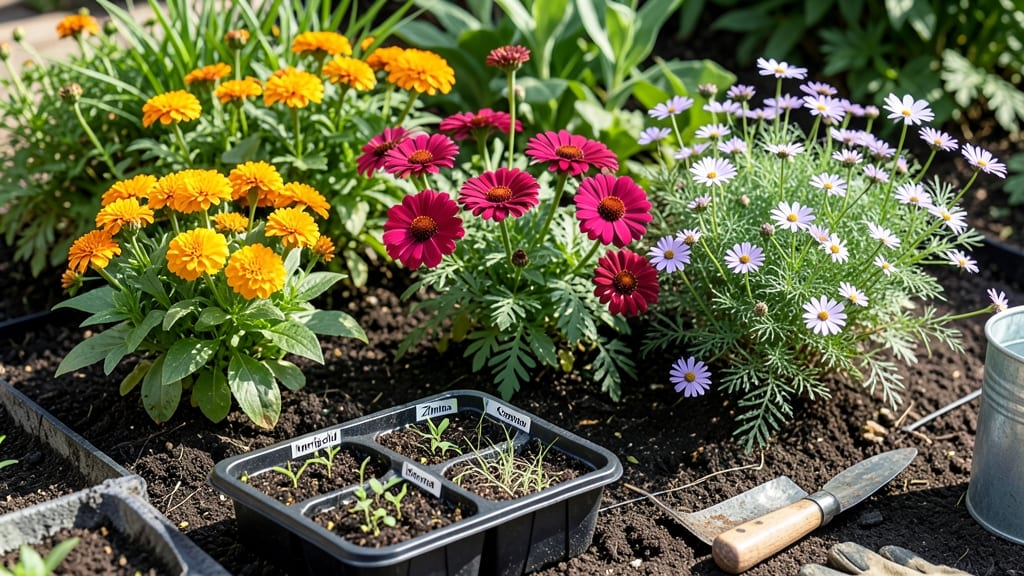
To plant fall flowers in Texas at the perfect time means timing them for September through November, when soil stays warm but days cool enough to prevent bolting.
Texas gardeners know timing is everything—plant too early, and your fall blooms will wilt in the heat; too late, and frost will nip them before they shine. The key is reading your zone’s first frost date and adjusting your schedule accordingly.
Whether you’re in the Panhandle’s Zone 7 or the Rio Grande Valley’s Zone 10, the right window ensures vibrant pansies, hardy mums, and snapdragons thrive through winter. Below, I’ll break down the exact months by zone and share my top tips for keeping your garden in bloom.
You’ll discover how to prep soil, choose the toughest varieties, and protect your plants from Texas’s unpredictable swings—so your garden stays lush from September all the way to spring.
Texas fall planting calendar by hardiness zones (7-10)
Texas gardeners know timing is everything—planting fall flowers too early means they’ll bolt in the summer heat, while waiting too long risks frost damage. The key is understanding your USDA hardiness zone (7-10) and aligning planting with cool-season growth.
In Zone 7, first frost often hits by mid-November, while Zone 10 may see light frosts only in December or January. This calendar ensures your pansies, mums, and salvia thrive without stress.
Start by preparing your soil in late summer—amend with compost and organic matter to improve drainage, especially in heavy Texas clay. Cool-season annuals like snapdragons and marigolds should go in September-October, while perennials like coneflowers can wait until October-November.
Always check your local frost dates—a quick online search for "Texas frost map" helps pinpoint exact timing.
Here’s how to align your planting with Texas’s diverse zones:
For Zone 7, prioritize September planting—this gives cool-season flowers time to establish roots before November frost.
In Zone 8, you can stretch planting into early October, but avoid late starts that risk December light frosts. Zone 9 gardeners have the longest window, but sweet alyssum and lobelia still need to be in by October 31 to avoid winter stress.
In Zone 10, where frosts are rare, focus on October-November for heat-tolerant varieties like petunias and vinca. These thrive in cooler temps but won’t survive January’s occasional frost.
Always stagger plantings—sow half your seeds in September and the rest in October for extended blooms. This staggered approach ensures continuous color as some varieties fade with frost.
Watering is critical in Texas’s fall heat. After planting, water deeply once a week to encourage root growth, then taper to every 10-14 days once established. Morning watering prevents fungal diseases, and mulching with straw retains moisture.
Avoid overhead watering in late afternoon, as damp foliage invites powdery mildew in humid Texas air.
Fertilize lightly at planting with a balanced 10-10-10 mix, then skip until spring. Over-fertilizing in fall can lead to soft, frost-sensitive growth. Instead, focus on organic matter like composted leaves or aged manure. These improve soil structure without encouraging rapid, tender shoots that won’t survive winter.
Monitor your garden for pests like aphids and spider mites, which thrive on stressed plants. A neem oil spray or insecticidal soap applied in early evening keeps them at bay. For Zone 7-8, consider row covers in late October to shield tender annuals from unexpected frost.
In Zone 9-10, focus on shade cloth to protect from late-season heat spikes.
By following this zone-specific calendar, your fall garden will burst with color from September through December, even in Texas’s unpredictable climate. Start early, stay consistent with care, and enjoy long-lasting blooms that outshine the summer heat! 🌷
Best fall flowers for Texas soil and climate (heat-tolerant varieties)
Texas’s fall climate—warm days and cooler nights—creates perfect conditions for heat-tolerant flowers that thrive in our USDA Zones 7-10. The key is selecting varieties that resist drought and bloom prolifically without wilting in residual summer heat or freezing prematurely.
My top picks balance color, pollinator appeal, and low-maintenance care for Texas gardeners.
For sun-drenched beds, I recommend Mexican sunflowers (Tithonia) and gaillardias—both handle full sun and dry spells like Texas summers. Shadier spots? Salvia 'Black and Blue' and Texas bluebonnets (if planted early) add vibrant color without demanding extra water. All these flowers support local pollinators while requiring minimal fuss.
Planting depth and spacing are critical in Texas’s heavy clay soil. Most fall flowers need 1/2 inch deeper than their root ball and 12-18 inches apart to prevent competition. For example, Mexican sunflowers should go 12 inches deep with 24-inch spacing, while pansies thrive at 6 inches deep and 8-10 inches apart.
To maximize fall blooms, I always amend Texas clay soil with compost or aged manure before planting. This improves drainage while retaining moisture—a must for heat-tolerant varieties. For container gardens, use a well-draining potting mix with perlite or sand to mimic Texas’s native soil conditions.
Watering deeply once a week (instead of daily shallow watering) encourages root growth and drought resistance. Mulch with straw or pine bark to lock in moisture and regulate soil temperature. This is especially critical for newly planted flowers in North Texas, where temperature swings can stress young plants.
For long-lasting color, I stagger plantings every 2-3 weeks from mid-August