
Flowers
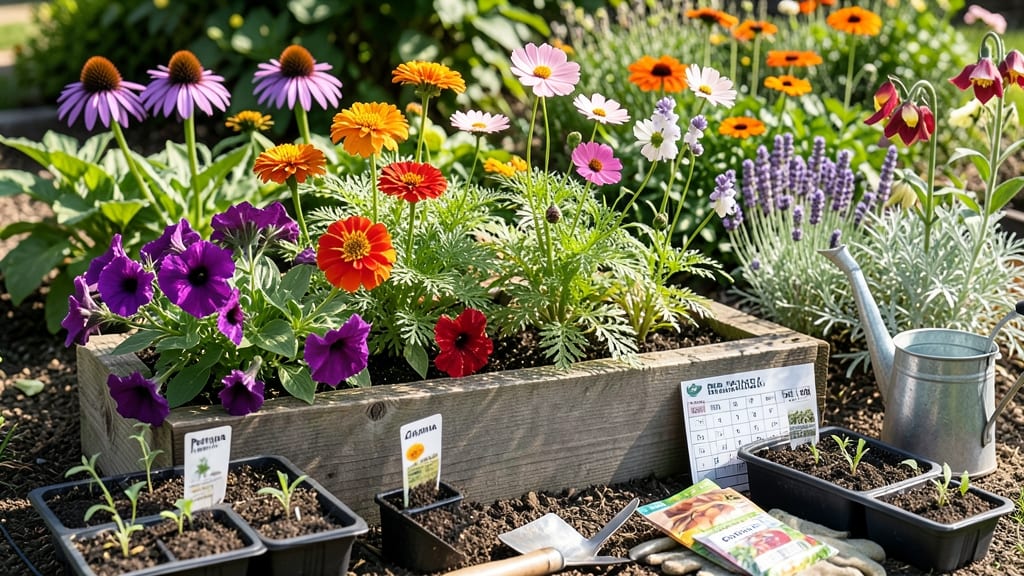
Planting flowers in Idaho after your last frost date — typically mid-April in the south and late May in the mountains — is the key to vibrant blooms all season.
Idaho’s diverse climate—from high deserts to mountain valleys—means your flower planting timeline can vary drastically by county. Get it wrong, and your blooms may never emerge; get it right, and you’ll enjoy vibrant gardens all season long.
Whether you’re sowing seeds in Ada County’s mild springs or transplanting hardy perennials in Kootenai’s cooler zones, timing matters. Below, I’ll break down the exact frost-date windows by region, plus tips for adjusting your schedule when Idaho’s weather throws a curveball.
You’ll also discover the best flowers for each season, soil prep secrets, and how to stretch your planting window with simple tricks — so your garden stays ahead of the frost, no matter where you live in the Gem State.
Idaho flower planting dates by county: frost-date guide for annuals and perennials
Idaho’s microclimates create a gardening puzzle, where Boise’s low desert enjoys early springs while mountain counties like Kootenai face late frosts. Understanding your last frost date is critical—plant too early, and frost will kill tender seedlings; too late, and you miss peak bloom seasons.
I’ve compiled county-specific frost dates using USDA zone data and local gardener reports to help you time your plantings perfectly.
For cool-season flowers like pansies and snapdragons, you can start seeds indoors 6-8 weeks before your last frost date. Warm-season favorites such as marigolds or zinnias should wait until 2 weeks after your last frost.
Perennials like coneflowers or black-eyed Susans thrive when planted in early spring or fall, avoiding Idaho’s intense summer heat.
Here’s your county-by-county frost-date guide for Idaho, including ideal planting windows for seeds, transplants, and bulbs:
In southern Idaho counties like Ada and Cassia, you can start cool-season seeds indoors as early as late February for a head start. Meanwhile, northern counties like Kootenai should wait until early April to avoid frost damage.
For warm-season transplants, aim to plant after your last frost date but before mid-June to ensure roots establish before summer heat sets in.
Bulbs like tulips or daffodils should be planted in fall, typically between September and October. This gives them time to root before winter dormancy. In Idaho’s Zone 6-7, bulbs planted too late may not bloom as vigorously the following spring.
I recommend adding a 2-3 inch layer of mulch after planting to insulate them from temperature swings.
For mountain counties like Kootenai, where frosts linger later, consider using
Best flowers to plant in Idaho by season: timing tips for year-round color
Idaho’s diverse microclimates—from high-desert valleys to mountain foothills—create unique planting opportunities. The key to year-round blooms lies in matching flower types to Idaho’s four distinct seasons. Whether you’re in Boise’s Zone 7b or Coeur d’Alene’s Zone 5a, timing is everything for vibrant gardens.
Native wildflowers and drought-resistant varieties thrive here, but even tender annuals can succeed with proper seasonal adjustments. For example, spring-blooming bulbs like Idaho’s state flower, the Syringa (mock orange), need fall planting, while summer heat-lovers like black-eyed Susans should wait until after last frost.
- Spring (March-May): Plant cool-season annuals (pansies, sweet peas) and perennial bulbs (daffodils, tulips) 4-6 weeks before last frost. Idaho’s Zone 4b-7b means late April is ideal for transplants.
- Summer (June-August): Introduce heat-tolerant varieties (lupines, coneflowers) after soil warms (mid-May). Mulch heavily to retain moisture in high-desert areas.
- Fall (September-October): Plant fall-blooming bulbs (crocuses, alliums) and hardy perennials (asters, sedum) 6 weeks before first frost. Native grasses like Fescue add texture.
- Winter (November-February): Focus on evergreen shrubs (juniper, holly) and winter-blooming hellebores. Protect tender plants with row covers in Zone 4b.
For drought-prone regions like Twin Falls, prioritize xeric plants (lavender, yarrow) that need minimal summer watering. In moister mountain zones, hostas and columbines flourish with partial shade. Always amend soil with compost—Idaho’s clay-heavy soils benefit from organic matter.
My top 3 seasonal picks for Idaho gardens: spring’s Idaho giant hyssop (Agastache), summer’s blanket flower (Gaillardia), and fall’s Russian sage. Each handles Idaho’s temperature swings with ease. Native wildflowers like lupine also attract pollinators while requiring zero extra water.
To extend your bloom season, stagger planting dates by 2-3 weeks. For example, plant marigolds in early May, then add zinnias in late May for continuous color. Deadhead spent blooms to encourage reblooming, especially with perennials like cone flowers.
Remember: Idaho’s elevation changes can shift planting windows by weeks. Use local frost data (check Almanac.com) and adjust schedules for high-altitude gardens. With these seasonal strategies, your Idaho garden will burst with color from spring to frost. 🌸