
Flowers
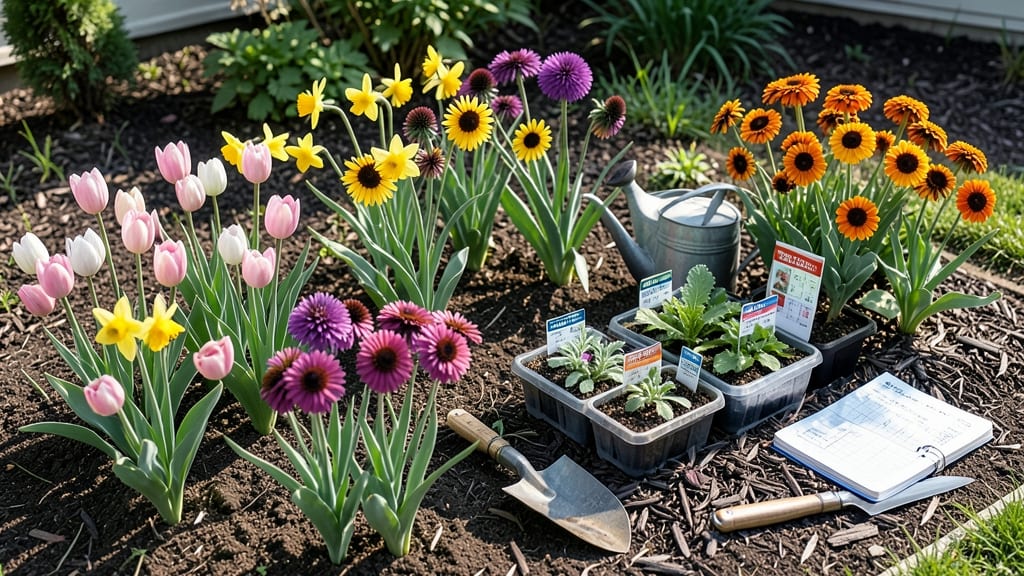
To plant flowers in Iowa at the perfect time means beating the last frost—usually mid-April, but timing varies by zone and year.
Iowa’s unpredictable frost dates can turn your dream garden into a frost-bitten disappointment—or a stunning floral masterpiece. Getting the timing right ensures vibrant blooms all season long, from tulips in spring to coneflowers in summer.
This guide breaks down the exact frost-date windows for Iowa’s 5a-6b zones, so you know when to start seeds indoors, when to transplant tender annuals, and which hardy perennials can handle early spring planting.
You’ll also discover how to stretch your planting season with row covers, succession planting, and soil-temperature tricks—so you can enjoy perfect blooms from April through October without risking frost damage.
Iowa frost dates by hardiness Zone: the exact timeline for planting flowers
Iowa’s USDA Hardiness Zones 5a-6b create a unique gardening climate where timing your flower plantings can mean the difference between frost-killed seedlings and vibrant summer blooms.
The average last frost date across most of Iowa falls between April 15-30, while the first frost typically arrives around October 15. Understanding these windows helps you plan for annuals, perennials, and bulbs with precision.
For 2024 projections, I recommend checking the Iowa State University Extension or local weather forecasts 2-3 weeks before your zone’s historical last frost date.
These dates shift slightly yearly—some years see late May frosts in northern Iowa, while southern zones like Zone 6b may experience earlier spring thawing. My rule of thumb? Wait until soil temperatures hit 50°F for warm-season flowers like marigolds or zinnias.
Here’s the key distinction you need to know: Cool-season flowers (e.g., pansies, snapdragons) can handle light frosts and often thrive when planted 4-6 weeks before last frost. In contrast, heat-loving annuals (e.g., petunias, geraniums) must wait until after the last frost to avoid cold damage.
Perennials offer flexibility—they can be planted in early spring (as soon as soil is workable) or in fall (6-8 weeks before first frost). Bulbs, like tulips and daffodils, should be planted in fall (September-October) for spring blooms, but summer-flowering bulbs (e.g., dahlias) wait until after last frost.
Let’s break down Zone 5a (north Iowa) as an example: If you plant cool-season annuals like calendula or sweet peas by April 15, they’ll establish roots before late spring frosts hit.
Meanwhile, Zone 6b gardeners can start warm-season flowers like sunflowers or cosmos as early as April 15, giving them a longer growing season
Best flowers to plant by month in Iowa: a seasonal planting calendar
Iowa’s four distinct seasons create perfect conditions for a year-round flower garden, but timing is everything. Plant too early, and frost will nip delicate blooms. Wait too long, and summer heat might stress heat-sensitive varieties. The key is matching each flower to its ideal planting window.
My seasonal planting calendar breaks down the best flowers for each month, from cold-hardy bulbs in spring to heat-loving annuals in summer. I’ll also share soil prep tips to give your flowers the best start, no matter when you plant.
For spring planting, focus on soil preparation—amend clay-heavy Iowa soil with compost to improve drainage. In summer, mulch heavily to lock in moisture for heat-sensitive varieties like hydrangeas or daylilies.
Fall is the perfect time to plant perennials like aster or Russian sage, as they establish roots before winter. Just avoid planting tender annuals after mid-September, or they won’t survive Iowa’s early frosts.
Pro tip: Use row covers to extend your planting window by 2-3 weeks in spring or fall. This lets you plant heat-loving annuals earlier or cool-season flowers later without frost damage.