
Flowers
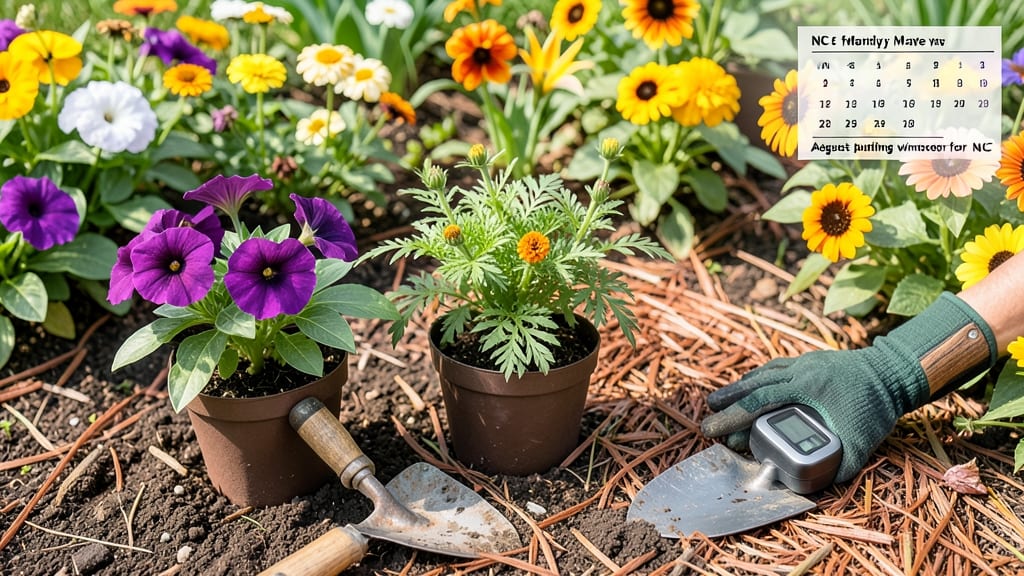
To plant flowers in North Carolina, timing is everything—especially when you’re working with zones 6a-8b and a climate that shifts from coastal humidity to mountain chill.
North Carolina’s diverse climate—from the coastal plains to the mountain regions—means flower planting times vary dramatically. Get your timing wrong, and your blooms may never reach their full potential.
Whether you’re sowing spring bulbs or fall perennials, knowing when to plant ensures vibrant blooms all season. Below, I’ll break down the best months for each zone, frost dates, and how to adjust for NC’s unpredictable weather.
You’ll discover how to avoid common mistakes, like planting too early in frost-prone areas or too late for heat-sensitive varieties, so your garden thrives from March to October.
NC planting zones explained: when to plant flowers by region
North Carolina spans USDA zones 7b through 8a, creating distinct planting windows for flowers across its three major regions: the coastal plains, Piedmont, and mountains. Each zone has unique frost dates and microclimates that dramatically impact when you should plant.
For example, coastal areas like Wilmington (zone 8a) enjoy earlier last frosts than Asheville (zone 7b), which can experience late spring freezes. Understanding these differences helps you avoid frost damage and maximize bloom time.
Urban gardens in cities like Raleigh or Charlotte often face warmer microclimates due to concrete and buildings, while rural areas may experience cooler nighttime temperatures. This means your neighbor’s garden might thrive with a March planting, while your urban plot may need to wait until mid-April.
Always check your local last frost date—typically between March 15 and April 15—and adjust for your specific location.
Annual flowers like marigolds and petunias should only be planted after the last frost, while perennials such as daylilies and black-eyed Susans can tolerate early spring plantings as long as the soil isn’t frozen. Bulbs like tulips and daffodils should be planted in fall (September-October) to establish roots before winter. Timing these correctly ensures your garden bursts with color when it should.
Coastal NC (Zone 8a) has the longest growing season, with last frosts around March 1 and first frosts near November 15. This allows for extended planting windows, including fall plantings of cool-season annuals like pansies. In contrast, the mountains (Zone 7b) have last frosts as late as April 15 and first frosts by October 15, requiring earlier starts for annuals and more careful selection of cold-hardy perennials.
Piedmont (Zone 7b-8a) sits in between, with frost dates varying by elevation. For instance, Durham’s last frost is typically March 20, while Greensboro’s can be as late as April 5. This region is ideal for staggered plantings—start with cool-season crops in March and transition to heat-loving annuals in May—to ensure continuous blooms.
Here’s a quick reference for NC’s three main regions, including planting windows, frost dates, and microclimate adjustments:
For urban gardens, heat from buildings can create microclimates 5–10°F warmer than rural areas. This means you can plant tender annuals like impatiens a week earlier in cities. Conversely, rural and mountainous areas often experience colder nights, so opt for
Best flowers for NC’s climate: month-by-month planting calendar
North Carolina’s diverse microclimates mean your spring azaleas in the mountains may bloom weeks earlier than coastal camellias. To maximize blooms, align your planting with NC’s frost-free windows and heat tolerance.
This calendar highlights top-performing flowers—from cold-hardy bulbs to heat-loving annuals—with their ideal planting months for zones 7b-8a.
For early spring (March-April), focus on cold-tolerant perennials like heuchera and lenten roses, which thrive in 50°F soil. In late summer (August-September), prioritize heat-resistant annuals such as zinnia and marigold, which handle 90°F+ temperatures with ease.
- 1 February-March: Plant spring-blooming bulbs (tulips, daffodils) and hardy perennials (lavender, catmint).
- 2 April: Transplant pansies and snapdragons after last frost (typically mid-April in Piedmont).
- 3 May-June: Sow heat-loving annuals (sunflowers, cosmos) and tropicals (hibiscus, canna lilies).
- 4 July-August: Plant fall-blooming bulbs (dahlias, crocosmia) and mums for autumn color.
- 5 September: Divide perennials (daylilies, hostas) and plant winter pansies for early spring blooms.
Pro tip: In coastal NC (zone 8a), extend your fall planting into October for pansies and kale, while mountain gardeners (zone 6b) should wait until May for tender annuals. Always check your local frost dates—they can shift 2-3 weeks yearly!
For container gardening, start petunias and geraniums indoors in February to enjoy earlier blooms. These heat-tolerant annuals thrive in 6+ hours of sun and well-draining soil, making them perfect for balconies and patio pots.
Don’t overlook native NC flowers like black-eyed Susan and butterfly weed, which require minimal care and attract pollinators. Plant these perennials in spring (March-April) for low-maintenance blooms that return yearly.
Remember: Soil prep is key! Amend your beds with compost before planting, and mulch to retain moisture. With this month-by-month guide, your NC garden will burst with color from spring to frost! 🌸