
Flowers
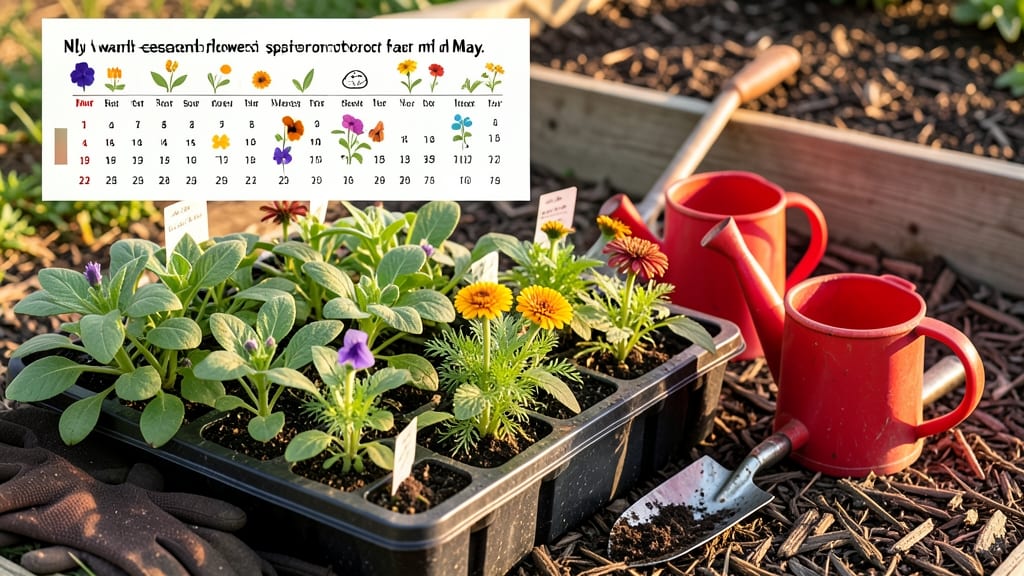
To plant flowers in NJ at the perfect time means timing your blooms to avoid frost and maximize their show—think March for bulbs, April for annuals, and August for fall favorites.
New Jersey’s unpredictable spring weather can leave gardeners guessing—plant too early, and frost ruins your blooms; too late, and summer flowers miss their prime. Here’s the exact NJ planting timeline for annuals, perennials, and bulbs to guarantee vibrant gardens all season.
Whether you’re in Zone 6b or 7a, knowing when to plant isn’t just about dates—it’s about soil temperature, last-frost averages, and even microclimates in your backyard.
Below, I break down the ideal planting windows for every type of flower, plus pro tips to keep your garden thriving from spring to fall.
NJ planting zones explained: when to plant flowers by month
New Jersey spans USDA Hardiness Zones 6b and 7a, meaning your last spring frost typically arrives around April 15 and the first fall frost hits near November 1. These dates create a 165-day growing season—perfect for planning flower beds that bloom from spring to frost.
Understanding these zones helps you time bulbs, annuals, and perennials precisely to avoid frost damage or missed blooms.
Soil temperature matters just as much as air temperature. Most flower seeds need soil at 60°F+ to germinate, while tender perennials like cannas require 70°F+ soil before planting.
In NJ, soil warms gradually—March might feel spring-like, but April is when most flowers can safely go in the ground. Fall planting (August-September) gives perennials time to establish roots before winter.
| Month | Plant Type | Ideal Soil Temp (°F) | Action | Notes |
|---|---|---|---|---|
| February | Bulbs (tulips, daffodils) | 40-50°F | Plant | 6-8 weeks before last frost |
| March | Perennials (hardy types) | 45-55°F | Divide/transplant | Avoid frost-prone areas |
| April | Annuals (marigolds, zinnias) | 60°F+ | Direct sow seeds | After last frost date |
| May | Tender perennials (canna lilies) | 70°F+ | Plant after soil warms | Mulch to retain heat |
| August | Fall-blooming bulbs (crocus) | 55-65°F | Plant for spring blooms | 6 weeks before frost |
| September | Perennials (coneflowers, black-eyed Susans) | 60°F+ | Transplant/divide | Establish roots before frost |
For spring planting, focus on March and April—these months offer the best balance of warmer soil and lower frost risk. Start with hardy perennials like peony or daylily in early March, then move to annuals like petunias or geraniums after April 15.
Use row covers if late frosts threaten, especially in Zone 6b areas like northern NJ.
Summer planting in June and July is ideal for heat-loving annuals like zinnias or sunflowers. These thrive in NJ’s humid summers and often bloom until frost. Succession planting every 2-3 weeks ensures continuous color.
Avoid planting tender bulbs like dahlias until soil temperatures rise above 65°F, usually by early June.
Fall is your second chance for perennials and bulbs. Plant crocus and snowdrops in September for early spring blooms, and mums and asters in August to enjoy fall color.
These plants benefit from cooler soil and established roots before winter. Mulch heavily after planting to insulate roots from freeze-thaw cycles
Best flowers to plant in NJ by season: a gardener’s cheat sheet
New Jersey’s diverse climate means your flower garden can bloom year-round with the right seasonal selections. From frost-hardy bulbs in spring to heat-tolerant annuals in summer, timing is everything. I’ve tested these top performers in my own USDA Zone 6b-7a garden—here’s what thrives when planted at the perfect moment.
Spring is all about early bloomers like daffodils and tulips, which naturalize beautifully in NJ’s cool, damp soils. Summer demands drought-resistant annuals like zinnias and marigolds, while fall rewards you with long-lasting perennials such as mums and asters.
Each category has specific planting windows and care tips to maximize your garden’s potential.
🌱 When to Plant Flowers in NJ by Season
- 🌷 Spring Bulbs (March-April): Plant daffodils and tulips 6-8 weeks before last frost (early March). They thrive in full sun and well-draining soil.
- 🌼 Summer Annuals (May-June): Wait until soil warms to 60°F+ (after May 15) to plant petunias and zinnias. Deadhead regularly for continuous blooms.
- 🌻 Fall Perennials (August-September): Transplant mums and asters 4-6 weeks before first frost (early September). They love partial shade and moist soil.
- 🌿 Early Spring Seeds (February-March): Start snapdragons indoors 8-10 weeks before last frost. Harden off before transplanting in April.
- 🌺 Late Summer Succession Planting (July-August): Sow cosmos and sunflowers for fall color. They tolerate heat and drought once established.
⚠️ Pro Tip: Always check your local last frost date (varies yearly) and amend clay-heavy NJ soil with compost for best results.
For spring bulbs, I swear by tulipa gesneriana and narcissus varieties like ‘Ice Follies’—they multiply yearly and naturalize beautifully. Plant them 3-4 inches deep in well-draining soil with bone meal for extra vigor.
In my garden, they bloom reliably by late April, often before the lawn even greens up.
Summer annuals like zinnias and petunias are my go-to for low-maintenance color. Zinnias, especially ‘Benary’s Giant’, thrive in full sun and poor soil—perfect for NJ’s hot, dry spells.
I deadhead spent blooms weekly to encourage nonstop flowering until frost. For containers, trailing petunias add cascading color without fuss.
Fall’s mums and asters steal the show in my garden, especially ‘Autumn Joy’ mums, which bloom from September through October. These hardy perennials handle NJ’s cool nights and humidity like champions.
I fertilize them lightly in early August to boost fall blooms, then mulch heavily to protect roots from early frosts.
Don’t overlook native NJ flowers like black-eyed Susans and coneflowers, which attract pollinators and thrive with minimal care. They’re perfect for drought-tolerant gardens and bloom from summer into fall. I pair them with Russian sage for a long-lasting, low-water combination that’s easy to maintain.
Remember: Soil prep is key in NJ’s clay-heavy soils. Amend beds with compost and sand for better drainage, and always water deeply in the morning to prevent fungal diseases. With these seasonal picks, your garden will be a blooming paradise from spring to frost! 🌷