
Flowers
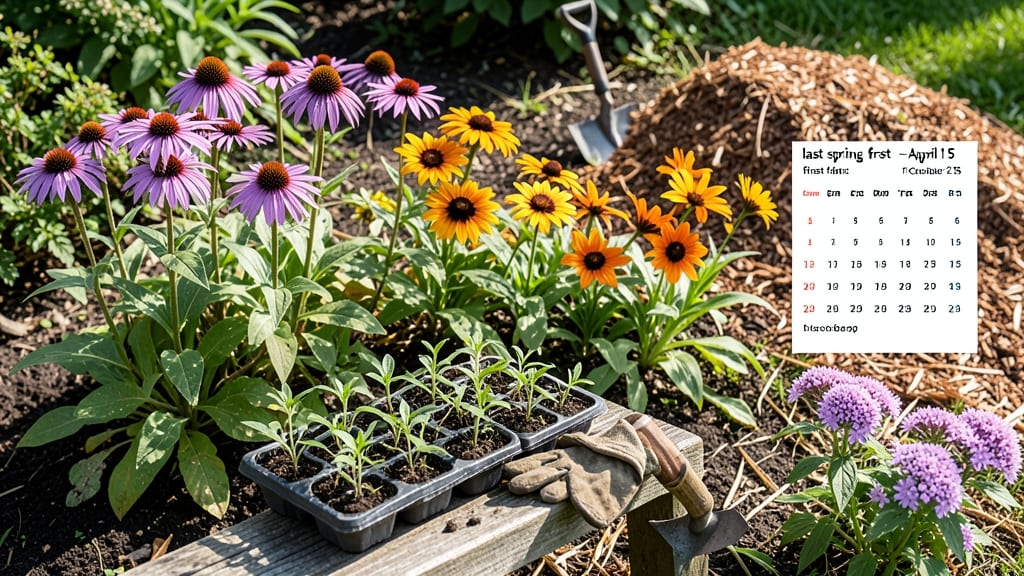
Planting flowers in Pennsylvania at the right time means the difference between a garden that bursts with color and one that wilts before it blooms—so when should you start?
Timing is everything, especially in a state where frost can sneak in as late as mid-April in some zones or arrive early in others. One wrong move, and your 🌸 delicate seedlings could end up as a sad, frozen memory.
But get it right, and you’ll enjoy blooms from spring to fall with minimal effort.
Most gardeners in Pennsylvania’s USDA Zones 5b-7a follow two key windows: spring (after the last frost) and fall (4-6 weeks before the first frost).
Spring planting kicks off in March or April, while fall offers a second chance in September or early October—both with their own tricks to avoid common pitfalls.
Below, I’ll break down the exact months to plant, which flowers thrive in each season, and how to adjust for Pennsylvania’s microclimates—so you can skip the guesswork and enjoy a garden that stays vibrant all year.
Pennsylvania flower planting calendar by USDA Zone (5-7) with frost-free dates
Pennsylvania’s USDA Zones 5-7 offer diverse planting windows, but frost dates vary dramatically between Philadelphia’s Zone 7a and Pittsburgh’s Zone 6b. Understanding these differences helps you avoid late-spring frosts that can devastate tender blooms.
I’ll break down the month-by-month planting schedule for annuals, perennials, and bulbs, including regional adjustments for Pittsburgh, Philadelphia, and rural areas.
Most of Pennsylvania experiences its last spring frost between April 15 and May 1, while the first fall frost typically arrives October 10–20. However, microclimates near bodies of water or urban heat islands can shift these dates by 1–2 weeks.
For example, Philadelphia’s Zone 7a may see 30 extra frost-free days compared to Erie’s Zone 5b. Always check local frost data from Penn State Extension or Almanac.com before planting.
Here’s your Pennsylvania flower planting calendar, organized by USDA Zone and plant type to maximize blooms year-round:
| Month | USDA Zone 5b (Erie, State College) | USDA Zone 6a (Pittsburgh, Harrisburg) | USDA Zone 7a (Philadelphia, Allentown) | Key Notes |
|---|---|---|---|---|
| February | Start indoor seeds (petunias, snapdragons). Plant hardy bulbs (tulips, daffodils). | Start tender annuals indoors (geraniums, impatiens). Plant crocus bulbs. | Plant spring-blooming bulbs (hyacinths, daffodils). Start cool-season veggies. | Use grow lights for seedlings; avoid overwatering. |
| March | Hardy perennials: heuchera, hostas, peonies. Pansies for early color. | Plant dahlias tubers, calendulas, sweet alyssum. | Direct-sow lupines, columbines. Transplant indoor seedlings. | Last frost risk remains high; use frost cloth. |
| April | Last frost avg: April 25. Plant annuals after May 1 (marigolds, zinnias). | Last frost avg: April 15. Plant tomatoes, peppers (after April 30). | Last frost avg: April 5. Plant all annuals (petunias, begonias). | Test soil pH (6.0–7.0); amend with compost. |
| May | Transplant perennials (coneflowers, black-eyed Susans). Sow sunflowers. | Direct-sow hollyhocks, phlox. Mulch to retain moisture. | Plant late-blooming bulbs (gladiolas). Deadhead early bloomers. | Watch for slugs; use beer traps or diatomaceous earth. |
| June–August | Succession-sow cosmos, zinnias. Fertilize every 4–6 weeks. | Deadhead spent blooms (roses, daylilies). Stake tall perennials. | Plant fall-blooming bulbs (tulips, daffodils). | Water deeply in mornings to prevent fungal diseases. |
| September | Plant spring-planted bulbs (tulips, hyacinths). Sow winter alyssum. | Direct-sow hardy annuals (pansies, snapdragons). | Transplant cool-season perennials (astilbe, heuchera). | First frost risk increases; cover tender plants. |
| October | First frost avg: Oct 15. Plant spring bulbs by Oct 15. | First frost avg: Oct 10. Mulch perennials (3–4 inches). | First frost avg: Oct 20. Divide crowded perennials. | Add winter mulch (straw or leaves) after ground freezes. |
For Pittsburgh gardeners (Zone 6a), I recommend planting tender annuals like impatiens only after May 15, while Philadelphia gardeners (Zone 7a) can safely plant tomatoes and peppers by April 20.
In Zone 5b, wait until May 10 for warm-season flowers like zinnias to avoid frost damage. Pro tip: Use frost-sensitive varieties
How to adjust planting times for Pennsylvania’s microclimates and frost risks
Pennsylvania’s diverse geography—from the Allegheny Mountains to the Delaware River Valley—creates microclimates where frost dates can vary by 2-3 weeks within a single county. Understanding these variations lets you extend your growing season and protect delicate blooms from unexpected freezes.
I’ve learned the hard way that planting too early in Zone 5b or too late in Zone 7a can turn vibrant gardens into frostbite casualties overnight.
To maximize your flower beds, start by identifying your local frost-free dates. While Pennsylvania’s average last frost hovers around April 15, mountain regions like Poconos may see frost as late as May 10, while Philadelphia often warms up by April 1.
Use cold-hardy annuals like pansies or snapdragons to push your spring planting window earlier—these beauties thrive in 25°F temperatures and can handle light frosts.
⚠️ callout warning ⚠️
For fall planting, aim to sow cool-season flowers like calendulas or stock 4-6 weeks before your first frost. In southwestern PA, this might mean September 15, while northeastern areas should wait until October 1.
A trick I’ve used successfully is planting bulbs in late fall (like tulips or daffodils) after the ground freezes—this prevents rodents from digging them up and ensures they’ll bloom earlier next spring.
Cold frames and low tunnels are game-changers for extending seasons. I’ve seen violas and sweet alyssum bloom well into December under a simple plastic hoop covered with frost cloth. For spring, remove the cover during the day to let plants harden off gradually.
Pair this with mulching (using straw or shredded leaves) to insulate soil and retain moisture—this can push your last frost date back by 1-2 weeks.
Don’t overlook container gardening for frost-sensitive plants. Move potted geraniums or begonias to sheltered spots near south-facing walls during cold snaps. I keep a few heat mats on hand to warm soil in early spring, which helps jumpstart growth for impatiens or coleus.
Even a black plastic mulch can raise soil temperatures by 5-10°F, making it possible to plant marigolds a week earlier.
Monitor local forecasts and use PA State University Extension’s frost maps to fine-tune your schedule. When in doubt, err on the side of caution—a few extra weeks of waiting can save your entire garden from a late-May freeze.
With these adjustments, you’ll enjoy continuous blooms from spring through fall, even in Pennsylvania’s fickle climate. 🌷