
Flowers
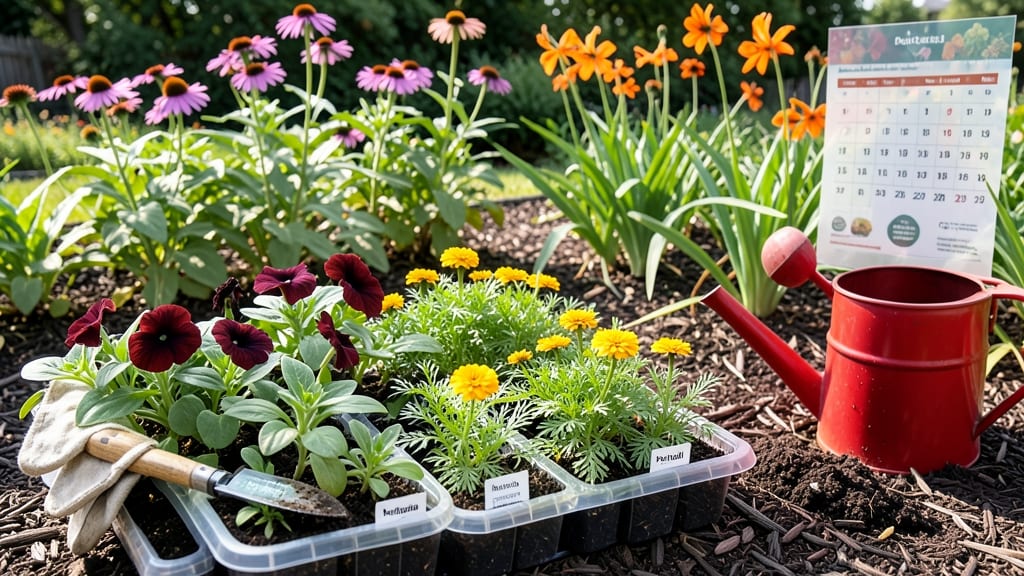
To plant flowers in St. Louis, aim for after the last frost date—typically mid-April to early May—when soil warms and danger of frost passes.
St. Louis gardeners know timing is everything—plant flowers too early, and frost will kill them; too late, and you’ll miss peak blooms. But with the city’s unique climate, figuring out the perfect planting window can be tricky.
Whether you’re adding vibrant annuals like petunias or hardy perennials such as coneflowers, the USDA Zone 6a climate demands precision. Microclimates—like urban heat islands or shaded yards—can shift your ideal dates by weeks.
Below, I’ll break down the exact months for spring and fall planting, soil prep secrets, and how to adjust for late frosts or early heat. Ready to turn your garden into a year-round bloom show?
St. louis frost-free dates by month: exact timing for annuals vs. perennials
St. Louis gardeners face a critical 15-day window between the average last frost date of April 20 and the safe planting zone opening on May 10. This period separates annuals that need warm soil from perennials that can handle cooler temperatures.
Understanding these dates helps you avoid frost damage while maximizing bloom time for your garden.
In USDA Zone 6a, St. Louis experiences 165 frost-free days annually, but microclimates—like urban heat islands or sheltered garden beds—can shift these dates by 1-2 weeks.
For example, downtown areas may warm up faster than rural suburbs. Always check NOAA’s local forecasts or observe forsythia blooms (a reliable early spring indicator) before planting.
Annual flowers like petunias and marigolds should only go into the ground after May 10, while hardy perennials such as coneflowers and black-eyed Susans can tolerate cooler soil and thrive when planted as early as April 1. This timing ensures perennials establish roots before summer heat arrives.
Here’s a quick reference for St. Louis frost-free dates and when to plant:
| Month | Avg. Last Frost | Safe Planting Window | Best for Annuals | Best for Perennials |
|---|---|---|---|---|
| March | Late March (rare) | After March 20 (if soil is workable) | Start indoors (6-8 weeks before last frost) | Divide perennials (e.g., daylilies) |
| April | April 20 (avg. last frost) | April 25–May 10 | Transplant warm-season annuals (e.g., zinnias, cosmos) | Plant hardy perennials (e.g., coneflowers, lavender) |
| May | None (frost-free) | May 10–June 1 | Direct-sow heat-loving annuals (e.g., sunflowers, marigolds) | Add tender perennials (e.g., peonies, hostas) |
| August | N/A | August 1–15 (fall planting) | Start cool-season annuals indoors (e.g., pansies) | Divide or transplant perennials for fall color |
| September | First frost: Oct 20 | September 1–15 | Direct-sow hardy annuals (e.g., snapdragons, sweet alyssum) | Plant bulbs (e.g., tulips, daffodils) for spring |
For annual flowers, start seeds indoors 6-8 weeks before your target planting date. For example, if you plan to plant marigolds on May 10, begin sowing them indoors around March 15.
This head start gives seedlings a 3-4 week advantage over direct-sown seeds, ensuring they’re large enough to handle St. Louis’ summer heat.
Perennials, like black-eyed Susans and daylilies, are more forgiving. You can plant them as early as April 1 in St. Louis, but wait until soil temperatures reach 50°F to avoid root rot. Use a soil thermometer to check—most garden centers sell them for under $15. For perennials, focus on root establishment before summer, so aim to plant by May 1 at the latest.
Microclimates play a huge role in St. Louis. Urban areas like Downtown or The Hill can be 5-10°F warmer than rural spots like Wentzville or Ballwin. If you’re in a heat island, you might safely plant annuals 1-2 weeks earlier.
Conversely, low-lying areas or north-facing gardens may need to wait until May 15 to avoid late frosts.
Pro tip: Use row covers or frost cloths to extend your planting window for heat-sensitive annuals like impatiens or begonias. These covers add 2-4°F of protection and can let you plant 2 weeks earlier without risk. Just remove them once daytime highs consistently stay above 55°F.
Finally, don’t forget fall planting! While
Best flowers to plant in St. louis by season: month-by-month guide
St. Louis gardeners know that the key to vibrant blooms lies in planting at the right time. The city’s USDA Zone 6a climate means we can grow a stunning variety of flowers, but each season demands a different approach.
From spring bulbs that brave early frosts to heat-loving annuals that thrive in summer, timing your plantings ensures your garden stays colorful year-round.
Native plants like cardinal flowers and black-eyed Susans are perfect for St. Louis, while zinnias and marigolds add bold pops of color. The secret to a long-lasting garden? Succession planting—staggering your plantings so you get continuous blooms instead of one-time bursts.
Let’s dive into the best flowers to plant each month and how to make them thrive.
- March: Plant tulips and daffodils as soon as soil is workable. Add pansies and violas for early color in partial shade.
- April: Transplant petunias and geraniums after the last frost (around April 15). Start zinnias indoors for late-summer blooms.
- May: Plant sunflowers and cosmos for summer-long color. Add bee balm and coneflowers for pollinators.
- June: Begin succession planting with marigolds and snapdragons to extend the season. Deadhead spent blooms to encourage more flowers.
- July: Plant fall mums and astors for late-season color. Mulch to retain moisture in the heat.
- August: Add pansies and stocks for cool-season blooms. Transplant crocus bulbs for early spring.
- September: Plant bulbs like tulips and hyacinths for next spring. Cover with mulch to protect from early frosts.
For perennials, focus on planting in spring (April-May) or early fall (September) when soil is warm but not scorching. Cardinal flowers, a Missouri native, thrive in moist soil and partial shade, making them a great choice for rain gardens.
Meanwhile, zinnias and marigolds love full sun and can handle St. Louis’ summer heat with ease.
Don’t forget about succession planting—this technique involves planting new seeds or transplants every 2-3 weeks to keep your garden blooming continuously. For example, after your first batch of zinnias flowers, plant another round in late June to enjoy blooms into October.
This works especially well for annuals like marigolds, petunias, and snapdragons.
To extend the blooming season, pair spring bulbs like daffodils with fall-planted bulbs such as crocus and snowdrops.
While daffodils bloom in April-May, crocus will pop up in late winter, giving you color from February through May. Fall mums are another must-plant—they thrive in St. Louis’ cooler months and can be planted as late as September.
Pro tip: Always check your soil temperature before planting. Most flowers prefer soil that’s at least 50°F. Use a soil thermometer to avoid planting too early when cold soil can stunt growth.
And remember, mulching helps regulate soil temperature, retain moisture, and protect roots from temperature swings—critical in St. Louis’ unpredictable climate. 🌿