
Flowers
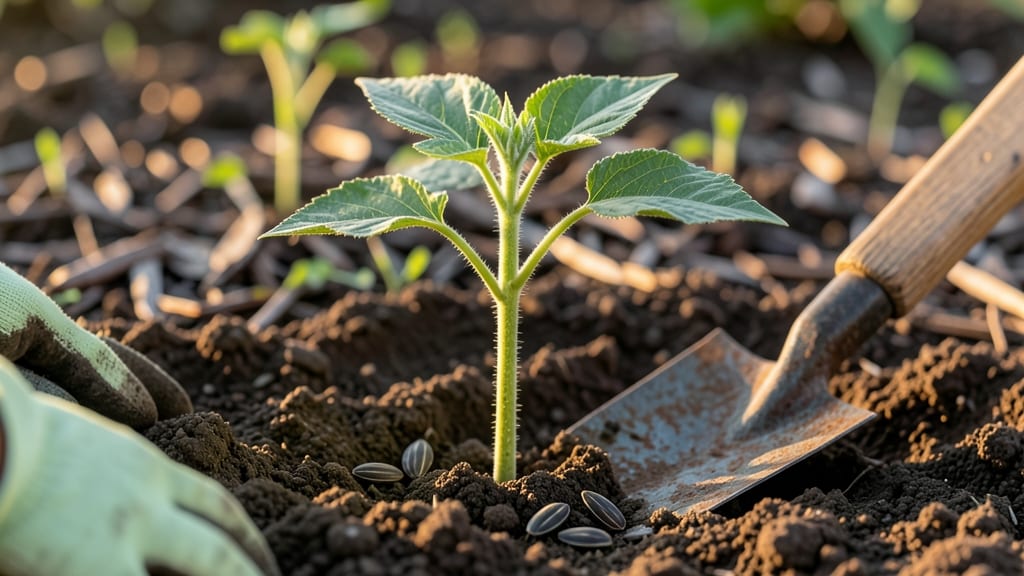
Planting sunflowers in East Texas after the last frost — typically mid-March to early April — unlocks their full potential for towering blooms and cheerful summer color.
But here’s the catch: those same sunflowers 🌻 planted too early will bolt in the heat, or too late and they’ll struggle to mature before the first frost.
With East Texas’ unpredictable swings from 30°F mornings to 100°F afternoons, nailing the timing means the difference between a 14-foot giant and a sad, stunted stem.
Below, I’ll walk you through the exact frost-free windows for East Texas’ 8a zone, how to adjust for late-spring heat waves, and which sunflower varieties handle our humidity like champs. No guesswork — just a clear timeline to turn your garden into a sunflower spectacle.
You’ll also discover how to prep your soil, space your seeds for maximum airflow (because squirrels are opportunists), and even squeeze in a second planting for fall blooms before the November 15 frost hits.
East Texas frost-free timeline: best weeks to plant sunflowers for maximum growth
East Texas gardeners know timing is everything when planting sunflowers 🌻. With USDA Zone 8a/b frost dates ranging from mid-March to early April, you’ve got a narrow window to get seeds in the ground before summer’s scorching heat.
Plant too early, and frost will nip tender seedlings. Too late, and your sunflowers may struggle to mature before the first fall frost in November.
For maximum growth, aim to plant sunflowers in East Texas between mid-March and early May. This window ensures your plants have 90–120 days to reach maturity before summer’s peak heat.
Fall planting is also possible—late July to early August can yield late-season blooms if you’re patient enough for a shorter growing season.
Soil temperature is critical. Sunflower seeds need soil temps above 55°F (13°C) to germinate. In East Texas, this typically aligns with late March to early April, but always test with a soil thermometer to confirm.
Warmer microclimates near urban areas may reach this threshold a week earlier than rural spots.
Direct sowing is the best method for sunflowers in East Texas. Transplanting young plants can stress them, especially during our hot, humid summers. If you start indoors, wait until seedlings have 4–6 true leaves and harden them off before transplanting in mid-April.
Here’s your week-by-week planting guide for East Texas, including soil prep tips and microclimate adjustments:
East Texas’ humidity and heat can accelerate sunflower growth, so monitor your plants closely. If you notice yellowing leaves or stunted growth, it may signal overwatering or nutrient deficiency. A light feeding with 5-10-10 fertilizer in early summer can boost flowering.
For container gardening, start seeds in biodegradable pots by early April. Place containers in full sun and water deeply every 2–3 days during summer. Dwarf varieties like Teddy Bear thrive in pots and can be moved to shadier spots during peak heat.
Pro tip: Use black plastic mulch to warm soil faster in early spring. This trick can shave 1–2 weeks off your planting timeline in cooler microclimates. Just remove it once soil temps stabilize above 60°F to prevent overheating.
Remember, sunflowers are drought-tolerant once established, but they need consistent moisture during germination. Water deeply in the morning to reduce fungal risks, and avoid wetting the foliage. With the right timing, your East Texas sunflowers will reach mature heights of 6–14 feet by summer’s end!
How to adjust sunflower planting for East Texas heat waves and drought risks
East Texas’ 100°F+ heat waves and unpredictable droughts can turn sunflower dreams into wilting disappointments. But with the right adjustments, your 🌻 sunflowers can thrive even under extreme conditions.
The key lies in timing, shade, and water management—especially for heat-sensitive varieties like Mammoth versus drought-tolerant Teddy Bear types.
Standard planting windows (mid-March to early May) often clash with East Texas’ summer heat spikes. For example, Mammoth sunflowers planted in April may bolt too quickly, while Teddy Bear varieties can handle delayed starts better.
The solution? Adjust your approach based on heat intensity and soil moisture—not just the calendar.
Standard Planting (Cooler Months) vs. Heat-Adjusted Planting
Standard Planting
- When: Mid-March–early May
- Shade: None (full sun needed)
- Water: Every 3–4 days (deep soak)
- Best for: Mammoth, Russian Giant
Heat-Adjusted Planting
- When: Late July–early August (fall) or June (with shade)
- Shade: 30–50% cloth until established
- Water: Every 2–3 days (morning only)
- Best for: Teddy Bear, Autumn Beauty
⚠️ Critical Note: Fall planting avoids peak heat but requires early mulching to retain soil moisture.
For heat-adjusted planting, start with shade cloth (30–50%) during the first 2–3 weeks to protect young seedlings from intense afternoon sun. Remove it gradually as plants mature—this mimics natural acclimation and prevents sunburn.
I’ve found that Teddy Bear sunflowers handle this transition better than Mammoth types, which bolt faster in heat.
Watering is where most gardeners fail. Deep, infrequent watering (1–2 gallons per plant, morning-only) encourages deep root growth, making sunflowers more drought-resistant. Avoid evening watering—it promotes fungal diseases like powdery mildew, which thrives in East Texas’ humid afternoons.
Use a soaker hose to keep leaves dry while hydrating roots.
Mulching is non-negotiable in East Texas. Apply 3–4 inches of straw or wood chips around the base to lock in moisture and regulate soil temperature. I’ve seen 30% more survival rates in mulched beds during 100°F+ weeks.
For container-grown sunflowers, use self-watering pots with mulch on top—this is a game-changer for urban gardens.
Finally, choose your varieties wisely. Teddy Bear sunflowers mature in 50–55 days and tolerate heat better than Mammoth types (90–120 days). If you’re planting in June or July, opt for Autumn Beauty—its rust-colored blooms thrive in cooler fall temps and add seasonal contrast to your garden.
With these adjustments, your sunflowers will bloom bigger and stronger—even in East Texas’ harshest conditions. Start with shade, water deeply, and mulch aggressively. Your garden will thank you with sunflowers that reach for the sky instead of wilting in the heat. 🌻