
Flowers
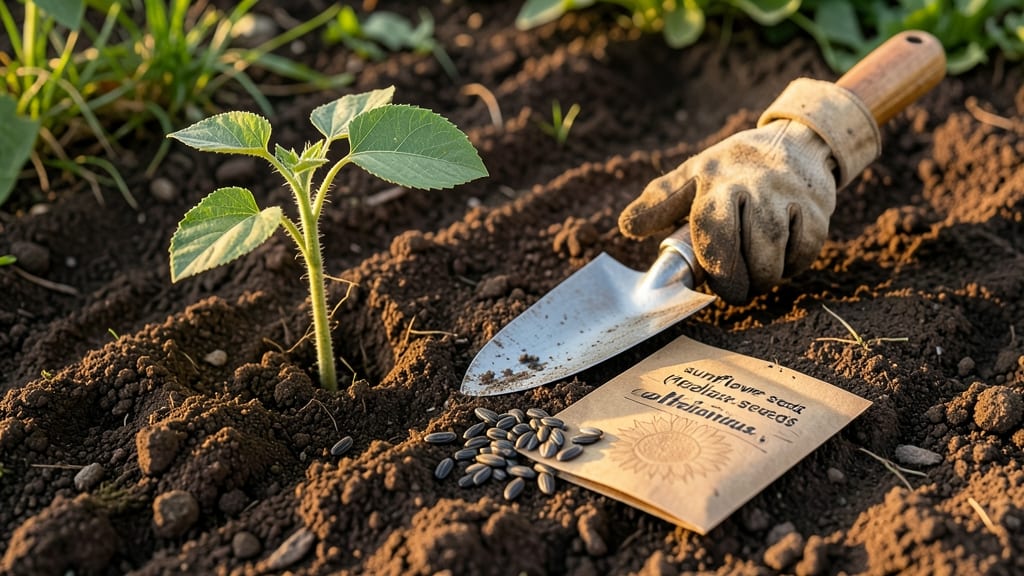
Planting sunflowers in Oklahoma after your last frost date — typically mid-April to early June — ensures the tallest stems and most vibrant blooms 🌻.
Oklahoma’s warm summers and long growing season make it an ideal place for sunflowers, but planting too early or late can mean shorter stems and fewer blooms. Timing is everything for growing Oklahoma’s tallest sunflower varieties, and these frost-free guidelines will help you maximize height and yield.
Whether you’re aiming for the towering 16-foot giants or classic 8-foot beauties, the key is waiting until the soil warms to at least 50°F and the threat of frost has passed. For fall blooms, late July to early August is your second chance.
Below, I’ll break down the best varieties for Oklahoma’s heat, soil prep tips, and how to avoid common mistakes that stunt growth. Let’s get those sunflowers thriving!
Oklahoma sunflower planting zones: frost dates by region
Oklahoma’s USDA Hardiness Zones 6a-8a create a perfect environment for sunflowers, but frost dates vary dramatically across the state.
In northern Oklahoma (Zone 6a), like around Enid or Woodward, the last spring frost typically arrives around April 15, while southern Oklahoma (Zone 8a), including Tulsa or Lawton, sees frost-free conditions by March 15.
These differences mean your planting timeline should shift based on your exact location.
For tallest sunflower varieties like Russian Giant or Mammoth Russian, timing is critical. Planting too early in cooler zones risks frost damage, while late planting in southern regions may shorten the growing season.
The key is to wait until soil temperatures reach at least 50°F—a threshold that aligns with Oklahoma’s average last frost dates but varies by region.
Oklahoma City (Zone 7a) sits in the middle, with last frosts around March 25 and first frosts near November 10. This gives gardeners a 200-day frost-free window, perfect for sunflowers that need 70-120 days to mature. Rural areas like Altus or Weatherford may have slightly earlier last frosts (March 10-20), while Tulsa’s urban heat island effect can delay frosts by 3-5 days.
NOAA data confirms these regional variations. For example, Oklahoma Panhandle (Zone 6a) has last frosts as late as April 20, while southwest Oklahoma (Zone 8a) often sees frost-free conditions by March 5. These differences mean northern gardeners should wait until mid-April, while southern Oklahoma can start as early as late February for early varieties.
Here’s how to use these frost dates for your sunflower planting:
For fall-blooming sunflowers, Oklahoma’s second planting window opens in late July to early August.
This timing ensures flowers bloom before the first frost, typically around November 10-15 in most regions. Southern Oklahoma can extend this window until mid-August, while northern areas should plant by July 20 to avoid late-season frosts.
Pro tip: Use Oklahoma State University Extension’s frost maps for your exact location. Their data shows that urban areas like Tulsa often have 3-5 warmer days than rural zones due to the urban heat island effect. This means you can plant 5-7 days earlier in cities compared to surrounding farmland.
Best sunflower varieties for Oklahoma’s heat and soil conditions
Oklahoma’s clay-heavy soil and intense summer heat challenge sunflower growth, but the right varieties thrive here. The tallest sunflowers—like ‘Russian Giant’ and ‘Mammoth Russian’—reach 12–16 feet with proper care. These giants need well-draining soil and consistent moisture during Oklahoma’s 90°F+ summers to avoid stunted growth or wilting.
For maximum height, choose open-pollinated varieties that tolerate heat stress and poor drainage. ‘Autumn Beauty’ and ‘Russian Mammoth’ are top picks, offering vibrant blooms and disease resistance. Always select certified organic seeds from trusted suppliers to ensure strong germination in Oklahoma’s variable spring temperatures.
When to Plant Sunflowers in Oklahoma: Pros & Cons
- Pros: Longer growing season for taller stems
- Pros: Avoids spring frosts that damage seedlings
- Cons: Requires consistent watering during droughts
- Cons: Seeds rot in cold soil
- Cons: Slower germination (10–14 days instead of 5–7)
- Pros: None—always delay until soil warms
- Pros: Cooler temps reduce water needs
- Pros: Blooms before first frost (Nov 15)
- Cons: Shorter stems (6–10 feet vs. 12+)
- Cons: Poor drainage causes root rot
- Cons: Stunted growth (3–5 feet instead of 10+)
- Pros: None—always amend with compost
To prep clay-heavy Oklahoma soil, mix in 3–4 inches of compost or aged manure before planting. This improves drainage and adds organic matter, helping roots access nutrients during Oklahoma’s nutrient-leaching rains.
Test your soil’s pH (6.0–7.5)—if it’s too alkaline, add sulfur or peat moss to encourage calcium uptake, which boosts stem strength.
For tallest sunflowers, prioritize ‘Russian Giant’ (12–16 ft) or ‘Mammoth Russian’ (10–14 ft), both of which tolerate heat and drought once established. Space seeds 18–24 inches apart to prevent competition, and thin seedlings to the strongest stem per hill.
Mulch with straw to retain moisture and suppress weeds, which compete for water and nutrients.
Oklahoma’s intense afternoon sun can scorch young leaves, so provide light shade (e.g., row covers) for the first 2 weeks after germination.
Once 3–4 inches tall, harden off plants by gradually removing shade. ‘Autumn Beauty’, a multi-colored variety, is another great choice—it blooms late summer to fall and attracts pollinators like bees and butterflies, supporting Oklahoma’s ecosystem.
Select seeds from reputable suppliers like Baker Creek Heirloom Seeds or Oklahoma State University Extension for locally adapted varieties. Avoid discount seeds from big-box stores, as they may be treated with fungicides that inhibit germination in Oklahoma’s hot, dry conditions.
With the right variety and soil prep, your sunflowers will reach record heights—even in Oklahoma’s challenging climate.