
Flowers
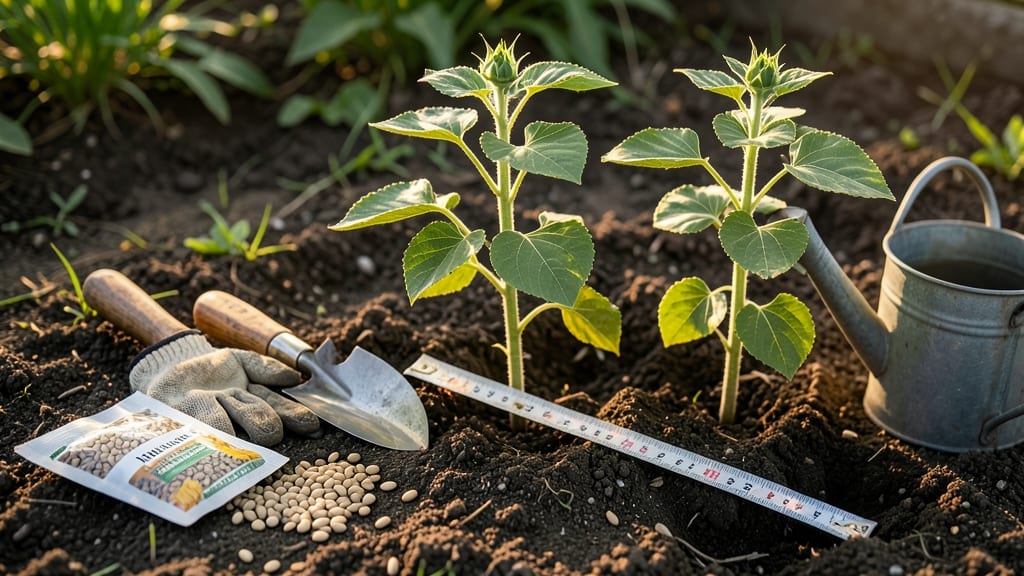
Plant sunflowers in Virginia after your last frost date, typically between mid-April and early May for most regions, when soil temperatures hit 55°F.
Virginia’s warm summers and mild winters make it an ideal place for sunflowers—but planting them at the wrong time can mean wilting dreams instead of towering blooms. Timing is everything, and missing the frost-free window could shorten your sunflower season by weeks.
Inland areas like the Piedmont and Shenandoah Valley often see frost as late as April 15, while coastal regions like Hampton Roads can start planting by March 15. The key is soil warmth, not just calendar dates, so always check before sticking seeds in the ground.
Below, I’ll break down the exact planting windows by region, how to adjust for microclimates, and which sunflower varieties thrive best in Virginia’s short vs. long growing seasons.
Virginia’s sunflower planting calendar: month-by-month frost-free guide
Virginia’s three distinct climate zones—Coastal Plain, Piedmont, and Mountains—each offer unique frost-free windows for sunflowers. Coastal areas like Norfolk enjoy earlier springs and longer growing seasons, while the Blue Ridge Mountains face shorter seasons and cooler soils.
Timing your planting to match these zones ensures vibrant blooms and taller stalks.
Sunflowers thrive when planted after the last frost date and when soil temperatures reach at least 55°F (13°C). In Virginia, this typically means late April to early May for most regions, but microclimates can shift this window by 2-4 weeks.
Let’s break down the best month-by-month planting schedule for each zone to maximize your sunflower’s potential.
Pro Tip: Use a soil thermometer to confirm 55°F+ soil temps before planting—cool soil slows germination and stunts growth. If your soil is still chilly, consider black plastic mulch to warm it faster.
| Zone | Last Frost Date | Optimal Planting Window | Soil Temp Threshold | Bloom Time |
|---|---|---|---|---|
| Coastal Plain (Norfolk, Hampton Roads) | Mid-March to early April | Late April–early May | 55°F+ (13°C+) | July–September |
| Piedmont (Richmond, Charlottesville) | Late March–early April | Early May | 55°F+ (13°C+) | July–August |
| Mountains (Roanoke, Blacksburg) | Late April–early May | Mid-May to early June | 60°F+ (16°C+) | August–September |
| All Zones (Succession Planting) | N/A | June–July (for fall blooms) | 60°F+ (16°C+) | September–October |
For Coastal Virginia, where frost arrives late October to early November, you can push sunflowers into June plantings for fall blooms. ‘Autumn Beauty’ or ‘Teddy Bear’ varieties thrive in these conditions, offering color until frost.
In Piedmont, aim for early May to avoid late spring frosts, which can damage young seedlings.
Mountain gardeners face the biggest challenge: shorter seasons and cooler nights. Opt for fast-maturing varieties like ‘Moulin Rouge’ (55 days) or ‘ProCut’ (60 days) to ensure blooms before first frost.
If you’re in Roanoke or beyond, consider starting seeds indoors 4-6 weeks before your last frost date for a head start.
Sunflowers are heat-loving plants, so July plantings in Coastal and Piedmont zones can still yield late-season blooms. However, avoid planting after mid-July in mountain regions, as daylight hours shorten and temperatures drop too quickly for full growth.
Soil prep is just as critical as timing. Sunflowers prefer well-draining, slightly acidic soil (pH 6.0–7.0). Amend clay-heavy soils with compost or sand to improve drainage, and add a balanced fertilizer (10-10-10) at planting for robust stems. In sandy soils, mulch heavily to retain moisture.
Watch for late spring frosts, especially in higher elevations. If frost is forecasted after planting, use row covers or cloches to protect seedlings until they’re 4–6 inches tall.
How to adjust sunflower planting for Virginia’s microclimates
Virginia’s diverse climate zones—from the coastal Hampton Roads to the cool Shenandoah Valley—mean sunflower planting times vary wildly. In warmer Zone 7b+ areas, you can start seeds as early as mid-March, while mountain regions should wait until late April or May to avoid frost damage.
The key is matching your microclimate to the right strategy.
For shorter growing seasons (like the mountains), focus on fast-maturing varieties and succession planting. In longer coastal zones, you can stretch the season with fall plantings and heat-tolerant hybrids.
Even a 50-mile difference in elevation can shift your ideal planting window by 2-3 weeks—so localize your approach!
Plant March 15–April 15 for spring blooms; try fall plantings in August for late-season flowers. Use heat-tolerant varieties like 'Autumn Beauty' to handle summer humidity.
Start seeds April 1–May 1. This zone balances warm days and cool nights—ideal for standard varieties. Use black plastic mulch to warm soil faster in early spring.
Wait until May 15–June 1 to avoid frost. Opt for dwarf or semi-dwarf varieties (e.g., 'Teddy Bear') that mature in 60–70 days. Use container gardening for patio flexibility.
Sow new seeds every 2 weeks from May to July to ensure continuous blooms. In Zone 7a, this extends your harvest window by 8–10 weeks.
If you live in a colder microclimate, like the Blue Ridge Mountains, consider container gardening. Large pots (15+ gallons) let you move sunflowers to protected spots during late-night chills. Choose compact varieties like 'Moulin Rouge'—they thrive in containers and mature quickly.
For warmer zones, like Tidewater Virginia, take advantage of fall plantings. Sow seeds in late August for blooms in October-November, when humidity drops and days grow shorter. Just ensure your soil stays warm enough (above 55°F) for germination.
Pro tip: Use a soil thermometer to check temperatures. Sunflowers need soil at 60°F+ to germinate—cold soil delays sprouting by 1–2 weeks. In Zone 6, this might mean waiting until late May even if frost risk has passed.
Don’t let Virginia’s microclimates limit your sunflower dreams! With the right timing adjustments, variety choices, and a little creativity, you can enjoy towering blooms from spring to frost. Start small, experiment with succession sowing, and soon you’ll have a sunflower spectacle that lasts all season. 🌻