
Plants
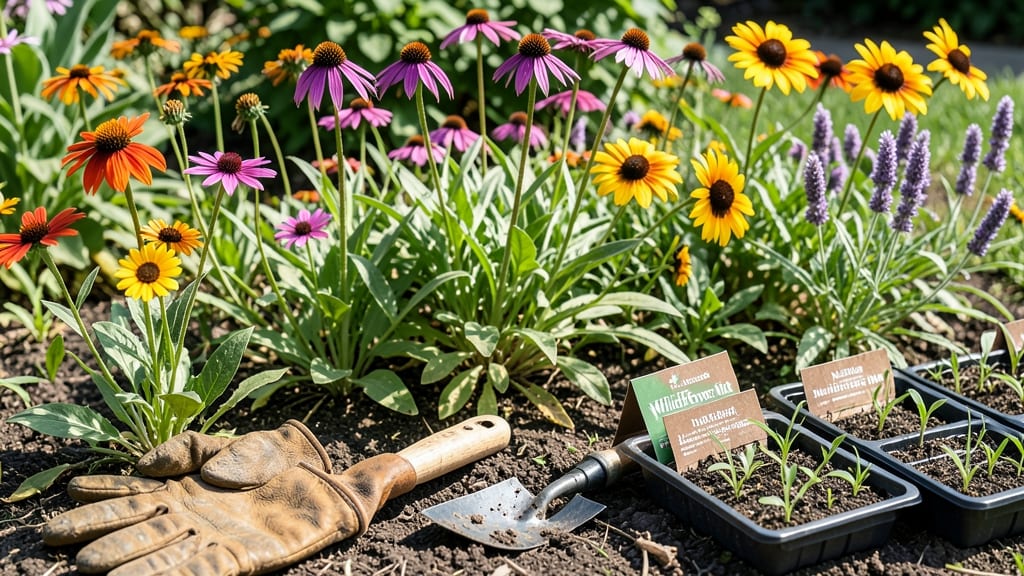
Planting wildflower seeds in Nebraska at the right time means the difference between a vibrant meadow and a patch of dirt by next summer.
Nebraska’s golden prairies and rolling hills become breathtaking with wildflowers—but timing is everything. Plant too early, and frost strikes; too late, and summer’s heat arrives before blooms. Here’s your zone-by-zone guide to planting wildflower seeds for vibrant, long-lasting color.
For USDA Zones 5a-6b, the best window is late summer to early fall—August through September—when soil stays warm enough for seeds to germinate before winter sets in. This is when native species like black-eyed Susans and coneflowers thrive, turning your landscape into a pollinator paradise.
Inside, you’ll find exact dates for your corner of Nebraska, soil prep secrets, and how to beat unpredictable weather. Whether you’re sowing a small border or a full meadow, this guide ensures your wildflowers bloom boldly from June through August.
Nebraska wildflower planting dates by USDA Hardiness Zones (4-6)
Nebraska’s USDA Hardiness Zones 4-6 offer perfect conditions for wildflowers, but timing your planting determines whether your meadow thrives or fades. Most wildflower seeds need 60-90 days of warm soil to germinate, so fall planting (when soil temps drop) or early spring (before heat arrives) works best.
Rural areas like Kearney or Scottsbluff have earlier frost-free dates than cities like Omaha or Lincoln, so adjust accordingly.
For Zone 4 (western NE), aim for late August to mid-September for fall planting, or mid-April to early May in spring. Zone 5 (central NE) can plant slightly later—mid-September to early October in fall or late April to mid-May in spring. Zone 6 (southeast NE) has the longest window: late September to November in fall or early April to June in spring.
| USDA Zone | Fall Planting Window | Spring Planting Window | Ideal Soil Temp (°F) | Notes |
|---|---|---|---|---|
| Zone 4 (e.g., Scottsbluff) | Late August–Mid-September | Mid-April–Early May | 50–65°F | Early frost risk; use mulch. |
| Zone 5 (e.g., Lincoln) | Mid-September–Early October | Late April–Mid-May | 55–70°F | Balanced climate; best success. |
| Zone 6 (e.g., Omaha) | Late September–November | Early April–June | 60–75°F | Longer growing season; late spring works. |
Soil temperature is critical for germination. Wildflower seeds need 50–75°F soil to sprout. Use a soil thermometer to check—if temps drop below 50°F, wait.
In Omaha (Zone 6), soil warms to 60°F by late April, while rural western NE (Zone 4) may need to wait until mid-May.
Fall planting is ideal because cool temps reduce weed competition, and seeds germinate in spring’s warmth. For spring planting, wait until after the last frost (typically mid-April in Omaha, late April in Lincoln).
Rural areas like Kearney can plant 2 weeks earlier due to earlier frost-free dates.
Prepare soil by removing weeds and loosening top 2 inches. Nebraska’s alkaline soil benefits from a light compost mix to improve drainage. Scatter seeds thinly (about 1/4 lb per 1,000 sq ft) and lightly rake to ensure soil contact.
Avoid burying seeds deeper than 1/4 inch—most need light to germinate.
Watering is key in Nebraska’s dry climate. After planting, keep soil moist but not soggy for 4–6 weeks. Once established, wildflowers need little water, but deep watering every 2 weeks helps roots grow. Morning watering prevents fungal issues from evening moisture.
Microclimates matter! Urban areas like Omaha have warmer microclimates due to pavement, while rural fields stay cooler. Adjust planting dates 1–2 weeks earlier in cities if spring arrives late. Wind exposure (common in western NE) may require light mulch to protect seeds.
Native wildflowers like black-eyed Susan or purple coneflower thrive in Nebraska’s drought-prone conditions. If planting in shade (e.g., under trees), choose wild columbine or asters, which tolerate partial shade. Always check seed packets for sun requirements—some mixes need full sun for best blooms.
For long-lasting meadows, plant annuals (fast blooms) + perennials (returning yearly). Annuals like cosmos germinate quickly in spring, while perennials like butterfly weed establish roots in fall. Mixing both ensures color year after year.
Best wildflower seed mixes for Nebraska’s climate and soil types
Nebraska’s alkaline soils and variable rainfall demand wildflower mixes that thrive without fuss. Native species like Prairie Coneflower and Black-Eyed Susan dominate local meadows, while hardy non-natives like Cosmos and Sunflower add vibrant color.
The right mix balances drought tolerance, pollinator appeal, and soil adaptation—critical for Nebraska’s USDA Zones 4-6.
For full-sun areas (6+ hours daily), opt for mixes like Prairie Sun or Golden Meadow, packed with perennial blooms that return yearly. Shadier spots (3-6 hours sun) benefit from Woodland Wildflower blends featuring Asters and Phlox.
Below, compare top mixes for bloom seasons, cost efficiency, and ecological benefits—all tested in Nebraska’s climate.
Prairie Sun leads for drought resistance, featuring Prairie Coneflower and Purple Coneflower, both thriving in Nebraska’s alkaline soils. Its $18–$25/lb price reflects high pollinator value, attracting butterflies and bees from June to September. For budget-friendly options, Mead