
Flowers
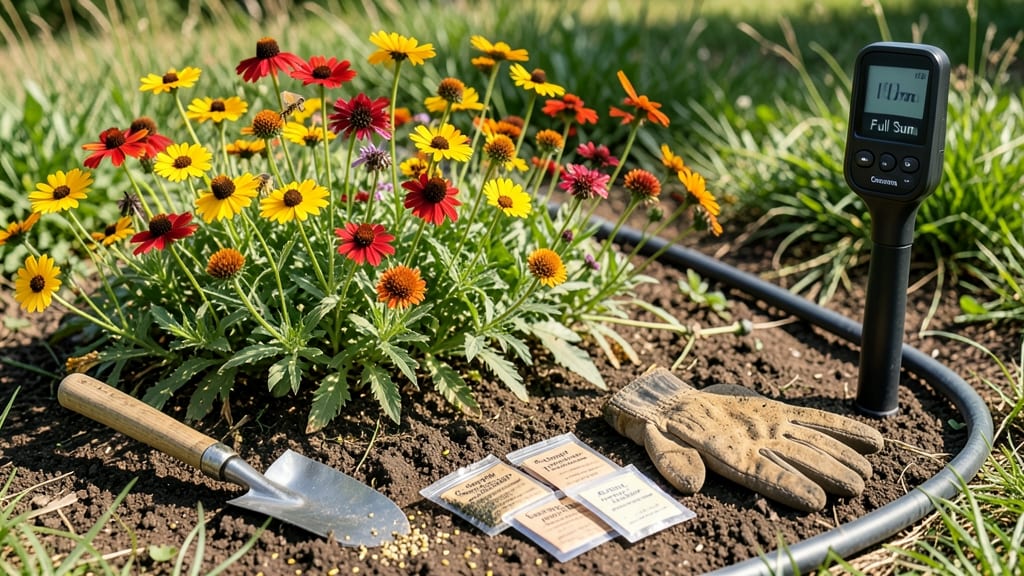
Plant wildflowers in Georgia between late winter and early spring or in fall, when the soil stays warm enough for seeds to germinate but temperatures won’t shock tender sprouts.
Georgia’s diverse climate—from humid coastal plains to mountainous regions—creates the perfect conditions for 🌼 wildflowers to thrive year-round, but timing your planting is key to unlocking vibrant blooms.
If you’ve ever waited until spring only to watch your seeds sprout too late for summer blooms, you know how critical the right window is. The ideal months are September and October for fall planting, while late February to March works best for spring.
Below, I’ll break down the best times by region—whether you’re in the Piedmont, Blue Ridge, or coastal areas—plus soil prep tips to give your wildflowers the strongest start.
Best planting months for Georgia wildflowers by region
Georgia’s four distinct regions—coastal plains, Piedmont, Blue Ridge, and Appalachian Plateau—each offer unique microclimates that influence the best time to plant wildflowers. Understanding these regional differences ensures your seeds germinate and thrive when conditions are ideal.
Let’s break down the perfect planting windows for each zone, along with native species that will flourish.
In the coastal plains, where humidity and mild winters dominate, wildflowers like Coreopsis and Blanket Flower thrive when planted in late winter to early spring (February-March). The warmer soil and consistent rainfall create ideal germination conditions.
For the Piedmont region, slightly cooler temperatures make fall planting (September-October) the best option, allowing seeds to establish roots before winter dormancy.
The Blue Ridge Mountains and Appalachian Plateau experience shorter growing seasons and cooler temperatures, so planting in early spring (March-April) or late summer (August) is ideal.
These regions benefit from native species like Black-Eyed Susan and Purple Coneflower, which are hardy enough to handle frost and still produce vibrant blooms.
For the coastal plains, where frost is rare, early spring planting ensures wildflowers establish roots before the intense summer heat. Species like Coreopsis and Blanket Flower are perfect for this region, as they tolerate humidity and sandy soils.
Always loosen the soil and mix in compost to improve drainage, which is critical in low-lying areas.
In the Piedmont, fall planting is ideal because it allows seeds to germinate in the mild winter and bloom profusely in spring. Native species like Black-Eyed Susan and Butterfly Weed thrive here and attract pollinators year-round.
Before planting, test your soil’s pH—most wildflowers prefer slightly acidic to neutral conditions (pH 6.0-7.0).
The Blue Ridge Mountains have cooler temperatures and shorter growing seasons, making early spring planting (March-April) the best choice. Native wildflowers like Purple Coneflower and Goldenrod are hardy and can withstand light frosts.
After sowing seeds, apply a 2-inch layer of mulch to retain moisture and suppress weeds during the cooler months.
In the Appalachian Plateau, where elevations can exceed 4,000 feet, planting in late summer (August) or early spring (March-April) works best. Species like Aster and Wild Bergamot thrive in these conditions and add late-season color.
Always check for proper drainage, as rocky soils can cause water to pool around roots.
Regardless of your region, avoid planting in extreme heat (July-August in most areas), as high temperatures can cause seeds to dry out before germination. Instead, opt for cooler months when soil moisture is more consistent.
With the right timing and species selection, your Georgia wildflower garden will burst into color year-round! 🌼
Top 5 native wildflowers for year-round blooms in Georgia
Georgia’s native wildflowers bring color and life to gardens with minimal effort, thriving in our humid subtropical and temperate climates. These hardy plants require little maintenance while attracting pollinators year-round. I’ve selected five standout species that bloom across seasons, from spring’s first flowers to winter’s hardy survivors.
Each offers unique benefits—from drought resistance to wildlife support—making them perfect for Georgia landscapes.
For continuous blooms, I recommend strategic planting based on each flower’s natural cycle. Some, like Black-Eyed Susan, self-seed prolifically, while others, such as Purple Coneflower, return reliably year after year.
Below, I’ve outlined the best planting times and seasonal bloom windows to maximize your garden’s year-round beauty. These wildflowers also thrive in poor soil and require little water, ideal for Georgia’s variable rainfall patterns.
- 1 Fall (September-October): Ideal for cool-season bloomers like Coreopsis and Blanket Flower. Seeds germinate in cool soil, establishing roots before winter.
- 2 Early Spring (February-March): Perfect for warm-season favorites such as Purple Coneflower and Black-Eyed Susan. Plant after the last frost date (typically mid-March in most of Georgia).
- 3 Late Winter (January): Sow winter-hardy varieties like Wild Bergamot in protected microclimates (e.g., near south-facing walls). These bloom early, providing spring color.
- 4 Avoid Summer Planting: High temperatures and drought stress reduce germination rates. If you must plant in summer, use shade cloth and consistent watering for 2-3 weeks post-planting.
- 5 Staggered Planting: For year-round blooms, plant different species every 4-6 weeks from September to March. This ensures overlapping bloom times and continuous pollinator support.
Let’s dive into the top five native wildflowers that will keep your Georgia garden bursting with color from spring to frost. Starting with the Black-Eyed Susan (Rudbeckia hirta), this sun-loving perennial blooms from early summer to fall, attracting butterflies and bees.
Its golden-yellow petals with dark centers make it a garden staple. Plant seeds in early spring or fall for best results, as they thrive in well-draining soil and full sun.
Next, the Purple Coneflower (Echinacea purpurea) is a drought-tolerant powerhouse that blooms from mid-summer to early fall. Its pink-purple petals and spiky centers provide nectar for pollinators and medicinal benefits.
This low-maintenance plant prefers full sun to partial shade and well-draining soil. Sow seeds in fall or early spring, or transplant bare-root plants in autumn for stronger establishment.
For early spring color, Coreopsis (Tickseed) is a must-have. With its cheerful yellow or orange blooms, it brightens gardens from April to June. This drought-resistant wildflower thrives in poor soil and full sun, making it perfect for xeriscapes.
Plant seeds in early spring or fall, and watch them self-seed for years of blooms. Pair it with Purple Coneflower for a long-lasting summer display.
The Blanket Flower (Gaillardia pulchella) adds vibrant red and yellow blooms from summer to frost, earning its name from ground-covering potential. It’s heat-tolerant and drought-resistant, ideal for Georgia’s hot summers.
Plant seeds in spring or fall, and enjoy continuous blooms with minimal care. This wildflower also attracts hummingbirds, making it a pollinator magnet.
Finally, Wild Bergamot (Monarda fistulosa) brings lavender-pink flowers from mid-summer to fall, with a fragrant foliage that repels mosquitoes. This native perennial thrives in partial shade and moist, well-draining soil, making it perfect for woodland gardens.
Plant seeds in fall or early spring, and mulch lightly to retain moisture. Its long bloom season ensures late-season color when other flowers fade.