
Flowers
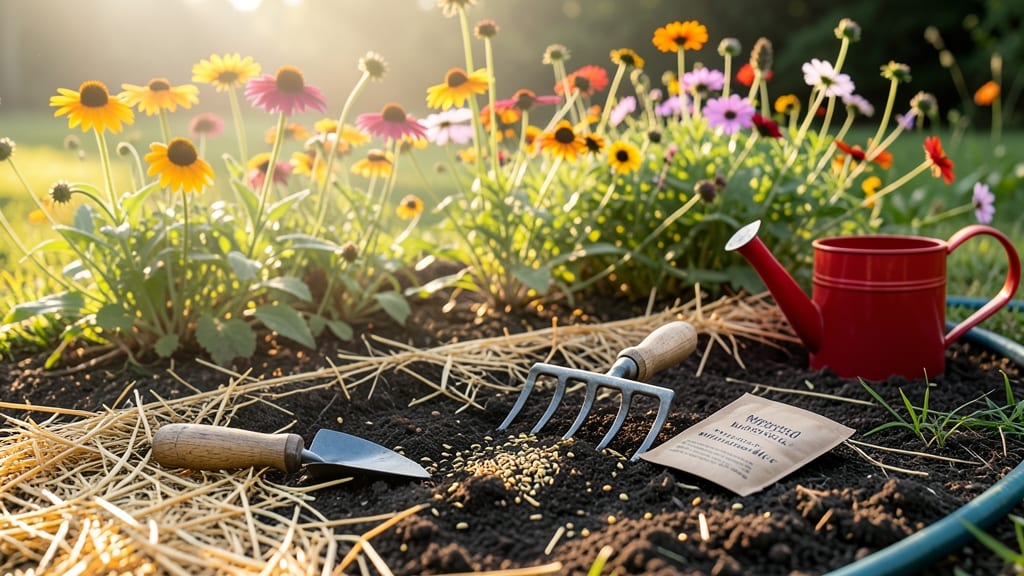
Planting wildflowers in Maryland at the right time means the difference between a meadow bursting with color and a patchy, weedy disappointment.
You’ve probably heard that spring is the best season, but Maryland’s USDA zones 6b-7a actually give you two ideal windows: late winter to early spring and late summer to early fall. Miss those, and you risk slow germination or invasive weeds stealing the show.
Below, I’ll break down the exact months for each zone, soil prep secrets to avoid common mistakes, and how to pick wildflowers that thrive in Maryland’s climate—whether you’re in Baltimore’s urban pockets or the rolling hills of Western Maryland.
Ready to turn your yard into a pollinator paradise? Let’s get those 🌼 seeds in the ground at the perfect moment for maximum blooms.
Maryland wildflower planting calendar by USDA zone (exact months for success)
Maryland’s USDA zones 5a through 7b create unique microclimates that affect wildflower planting times. In cooler zones like 5a (Western MD mountains), you’ll plant earlier than warmer zone 7b (Eastern Shore). The key? Soil temperature and last frost dates—not just calendar months.
For seeds, aim for late winter to early spring (February–April) when soil warms to 50°F+. Transplants thrive in spring (March–April) or early fall (August–September) to avoid heat stress. Baltimore’s humidity demands faster moisture control than Western MD’s drier air.
Regional adjustments matter: Eastern Shore gardeners can push fall planting to October, while mountain zones (5a) must finish by September 1st to avoid early frosts. Always check 7-day soil temps—seeds need consistent warmth to germinate.
Soil prep is critical: Test pH (Maryland’s clay soils often run acidic, 5.5–6.5), amend with compost, and till 2–3 inches deep. Remove weeds—competition kills wildflower seedlings. Native species like black-eyed Susans thrive in poor soil, but annuals need richer beds.
Microclimate tips:
- Urban areas (Baltimore): Plant annuals in spring (March) for instant color; perennials in fall (September) for root establishment.
- Western MD (5a): Start seeds indoors in February for earlier blooms.
- Eastern Shore (7b): Extend fall planting to October** for longer growing seasons.
| USDA Zone | Best Planting Months (Seeds) | Best Planting Months (Transplants) | Soil Prep Tip | Last Frost Date |
|---|---|---|---|---|
| 5a (Western MD) | February–March | March–April | Add compost; till deeply | April 15–May 1 |
| 6a (Central MD) | March–April | April–May | Test pH; amend if <5.5 | April 1–April 15 |
| 6b (Baltimore) | March–April | April–May | Mulch after planting | March 25–April 10 |
| 7a (Eastern MD) | April–May | May–June | Lightly rake seedbed | March 15–March 30 |
| 7b (Eastern Shore) | April–May | May–June | Use sandy soil mix | March 1–March 15 |
| Fall Planting (All Zones) | August–September | September–October (7b) | Water deeply post-plant |
Best wildflowers for Maryland’s seasons: fast-growing vs. perennial picksMaryland’s wildflower meadows transform from spring ephemerals to fall gold—but not all blooms thrive equally. Fast-growing annuals like cosmos and zinnia deliver instant color in just 6-8 weeks, while perennial natives such as black-eyed Susan and purple coneflower reward patience with decades of blooms and pollinator support. Your soil type and sunlight dictate your best bets: Maryland’s clay-heavy soils in the Eastern Shore need drought-tolerant picks like beebalm, while sandy Western MD gardens shine with low-maintenance annuals like sunflower and coreopsis. Let’s match your conditions to the perfect wildflower lineup for year-round interest—without the high-maintenance fuss. 🌱 PROS-CONS BOX: FAST-GROWING VS. PERENNIAL WILDFLOWERS Fast-Growing Annuals
Perennial Natives
Cons
Cons
For spring color (March-May), plant Virginia bluebells in moist shade or wild columbine in partial sun. These native perennials naturalize beautifully and thrive in Maryland’s USDA Zones 6b-7a. Mix them with fast-growing annuals like lupine (drought-tolerant) for a low-maintenance tapestry that blooms early and attracts hummingbirds. Summer’s peak heat (June-August) demands drought-resistant picks such as black-eyed Susan (full sun) or coreopsis (adaptable). Pair them with annual sunflowers for instant vertical interest—just scatter seeds in well-draining soil after the last frost (mid-April in most of Maryland). For fall interest (September-November), goldenrod and asters shine in partial shade, while smooth aster thrives in full sun until frost. Pro tip: Amend clay soil with compost before planting perennials, and mulch heavily to retain moisture. Annuals like cosmos and marigolds tolerate poor soil but need consistent watering during Maryland’s hot, humid summers. Once established, most wildflowers need minimal care—just deadhead spent blooms to encourage reblooming. My top 3 low-maintenance combos for Maryland gardens: 1. Spring: Virginia bluebells + wild columbine (shade) or lupine + coreopsis (sun) 2. Summer: Black-eyed Susan + sunflowers (full sun) or beebalm + coneflower (partial shade) 3. Fall: Goldenrod + asters (drought-tolerant mix) Each combo ensures season-long blooms with zero fuss**—just plant, water lightly, and enjoy the show! |