
Flowers
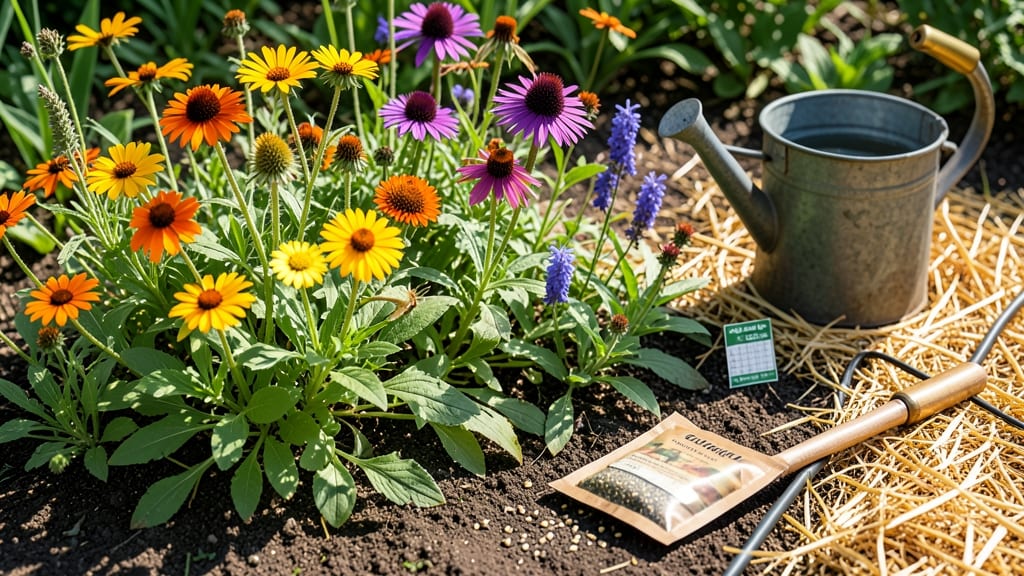
Plant wildflowers in North Carolina between late winter and early spring or in fall for the most vibrant blooms 🌼—timing is everything for year-round color.
If you’ve ever scattered seeds in spring only to watch them struggle through summer heat—or planted too late in fall and lost them to frost—you know how quickly things can go wrong. The key isn’t just when you plant but why those windows work for NC’s zones 6a-8b.
Spring planting (February–April) gives wildflowers a head start before summer’s dry spells, while fall (August–October) lets seeds establish roots before winter dormancy. Native species like black-eyed Susans and butterfly milkweed thrive when sown at these precise times, rewarding you with months of pollinator-friendly blooms.
Below, I break down the exact months for each zone, soil prep tricks for NC’s clay-heavy soils, and the best wildflowers to choose for your region’s microclimate—so you can skip the guesswork and enjoy lush, low-maintenance blooms all season.
NC wildflower planting calendar by USDA zone (7a-8b)
North Carolina’s USDA zones 7a-8b offer perfect conditions for wildflowers, but timing is everything. Plant too early, and frost will kill tender seedlings. Sow too late, and you’ll miss the ideal germination window of 60-70°F soil temperatures.
Each zone has its own microclimate nuances, from the cooler mountain regions (7a) to the warmer coastal plains (8b). Let’s break down the best months to plant based on your specific zone.
Most wildflower enthusiasts focus on spring and fall planting, but NC’s climate also allows for winter sowing in milder zones. Annuals like black-eyed Susans and coreopsis thrive with early spring sowings, while perennials such as coneflowers and bee balm benefit from fall planting.
Native species like purple poppies and wild bergamot have adapted to NC’s variable frost dates, making them reliable choices.
Key factors to consider include your last frost date (typically mid-March in 7a to late February in 8b), first frost (usually mid-November in mountains, late November in Piedmont), and soil temperature. Most wildflower seeds need 50-60°F soil to germinate, which aligns with late winter to early spring or late summer to fall in NC.
Here’s a quick reference for zone-specific planting windows to maximize your wildflower success:
| Zone | Best Planting Months | Soil Temp for Germination | Last Frost Date | First Frost Date | Ideal Wildflowers |
|---|---|---|---|---|---|
| 7a (Mountains) | Late April–May, Aug–Sept | 55–65°F | Mid-April | Mid-October | Purple poppy, wild columbine, mountain mint |
| 7b (Piedmont) | March–April, Sept–Oct | 60–70°F | Late March | Late October | Black-eyed Susan, coneflower, butterfly weed |
| 8a (Coastal Plain) | Feb–March, Sept–Oct | 65–75°F | Early March | Late November | Coreopsis, goldenrod, wild indigo |
| 8b (Southeast) | Jan–Feb, Sept–Oct | 70–80°F | Late February | Mid-November | Blanket flower, salvia, partridge pea |
For zone 7a gardeners in the mountains, aim for late April to May or August to September to avoid early frosts. In zone 7b (Piedmont), you can start as early as March for spring blooms, while zone 8a and 8b allow for earlier sowings in February.
Native wildflowers like wild bergamot and purple poppy are drought-tolerant once established, making them ideal for NC’s variable rainfall patterns.
If you’re considering winter sowing, focus on zones 8a and 8b
Best wildflowers for NC seasons: month-by-month planting guide
North Carolina’s four distinct seasons offer perfect windows for planting wildflowers that thrive year-round. Whether you’re aiming for spring ephemerals or fall perennials, timing is everything. I’ve curated a seasonal guide to ensure your garden stays vibrant from March to November, even in NC’s variable climate.
From coastal plains to mountain regions, wildflowers adapt beautifully—but only if planted at the right time. Missed deadlines can mean delayed blooms or winter die-off. Let’s break down the best wildflowers for each season and their ideal planting windows to maximize your garden’s potential.
- Late February–March: Plant spring ephemerals like Virginia bluebells and trilliums for early blooms. Ideal for USDA Zone 7a.
- April–May: Sow summer annuals such as black-eyed Susans and coreopsis after last frost (mid-March in Piedmont).
- June–July: Direct-sow heat-loving perennials like coneflowers and bee balm for late-summer color.
- August–September: Fall planting is key! Choose winter-hardy species like goldenrod and aster to establish roots before first frost.
- October–November: Scatter winter annuals (e.g., poppies) for spring blooms next year. Stop planting by mid-November.
For spring blooms, focus on bulb-like wildflowers such as bloodroot and wild hyacinth. These thrive when planted in late winter (February) so they emerge as soon as soil temperatures rise above 50°F.
In Zone 8b, you can even start winter sowing in December for early spring color.
Summer wildflowers like butterfly milkweed and purple coneflower need full sun and well-draining soil. Plant them in April–May to avoid heat stress during germination. Once established, these drought-tolerant plants require minimal watering, making them perfect for NC’s hot, dry summers.
Fall is the best time to plant perennial wildflowers like black-eyed Susans and New England asters. These species benefit from cool soil and established roots before winter. Aim to plant by mid-October in Zone 7a or late October in Zone 8b to ensure they don’t bolt in the heat.
Don’t overlook winter-hardy wildflowers like winter aconite or Christmas rose. These can be planted in October–November and will reward you with early spring blooms before most gardens wake up. They’re perfect for shaded areas where other wildflowers struggle.