
Flowers
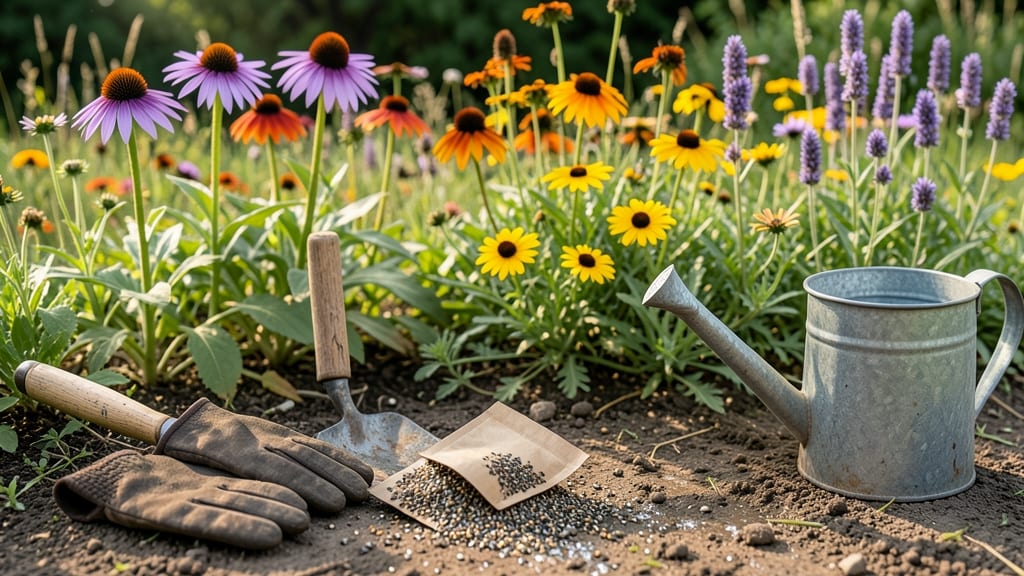
To plant wildflowers in Ohio at the perfect time means catching the window between late March and early April for spring blooms or late September for fall establishment—when soil warms enough to welcome seeds without racing the frost.
Ohio’s unpredictable spring weather can turn wildflower planting into a guessing game—but timing your seeds right ensures vibrant blooms from early summer to frost. Mastering the perfect window for USDA Zones 5-6 transforms your garden into a pollinator paradise without the frustration of failed germination.
Most gardeners in Zone 6a (like central Ohio) wait until the last frost date—around April 15—but native species like Black-Eyed Susan and Coneflower actually prefer a slightly cooler soil, so early April planting often outperforms late-March sowing.
Below, I’ll break down the exact week-by-week prep timeline, the fastest-blooming varieties for Ohio’s climate, and how to adjust for northern vs. southern regions—so you can skip the trial-and-error and get bold, fast blooms every season.
Best planting months for Ohio wildflowers by seasonal type
Ohio’s USDA Zones 5-6 offer two prime windows for planting wildflowers: early spring and fall. Each season caters to different species, from annuals that bloom fast to perennials that establish roots over time.
Northern Ohio’s cooler microclimates (like Zone 5b) shift timing slightly earlier than southern regions (like Zone 6a), where summers linger longer.
Spring planting (March–April) is ideal for fast-blooming annuals like Black-Eyed Susan and Cosmos, which thrive in Ohio’s warm, humid summers. Fall planting (September–October), however, gives perennials like Coneflower and Goldenrod a head start on root growth before winter dormancy.
The key? Adjusting for soil temperatures—aim for 40–50°F for fall seeds and 50–60°F for spring.
| Seasonal Type | Best Planting Window (Zone 5-6) | Microclimate Adjustments | Bloom Time | Ohio Native Examples |
|---|---|---|---|---|
| Spring-Blooming Annuals | Mid-March to early April (after last frost) | Northern OH: Wait until April 1–15; Southern OH: March 15–April 1 | June–September | Coreopsis, Sunflower |
| Spring-Blooming Perennials | Early April to mid-May | Northern OH: Soil temp ≥50°F; Southern OH: 3–4 weeks earlier | May–July | Bee Balm, Phlox |
| Fall-Sown Annuals | Late August to mid-September | Northern OH: September 1–15; Southern OH: August 15–September 1 | April–June (next year) | Sweet Alyssum, Larkspur |
| Fall-Sown Perennials | Mid-September to early October | Northern OH: 4–6 weeks before first frost; Southern OH: October 1–15 | June–September (next year) | Coneflower, Goldenrod |
| Biennials (2-Year Cycle) | Early September (for spring blooms) | Northern OH: Soil temp 55–65°F; Southern OH: September 1–15 | May–July (year 2) | Foxglove, Hollyhock |
For annual wildflowers, spring planting ensures they outcompete weeds and bloom within 60–90 days. My go-to for quick color is Cosmos bipinnatus, which self-seeds prolifically in Ohio’s heat.
In contrast, perennial wildflowers like Black-Eyed Susan (Rudbeckia hirta) benefit from fall planting—they develop deep roots over winter, making them drought-resistant by summer.
Ohio’s northern regions (e.g., Toledo, Cleveland) experience earlier frosts, so I recommend pushing fall planting to September 1–15 to avoid winter kill. Southern Ohio (e.g., Cincinnati, Columbus) can extend planting until October 1, but monitor soil moisture—dry falls can stress young seedlings.
A simple trick? Use a soil thermometer to confirm temperatures stay above 40°F for 7+ days.
Don’t overlook microclimates like urban heat islands or woodland edges. In cities, sidewalks and buildings create warmer pockets—ideal for late-summer bloomers like Joe-Pye Weed. Meanwhile, shadier woodland gardens thrive with wild columbine (Aquilegia canadensis), planted in early spring when soil is cool and moist.
Always test your site’s sun exposure for 24 hours before planting.
Preparing the soil is half the battle. For spring plantings, till in compost in February to warm the soil faster. Fall plantings? Focus on weed control—smother existing vegetation with cardboard or mulch by August.
I swear by a light raking in early September to break up compacted soil without disturbing seeds. Oh, and never skip mulch—it retains moisture and regulates temperature swings.
Fastest bloomers in Ohio? Annuals like Coreopsis and
Ohio wildflower planting calendar: weekly prep checklist for Zone 5-6
Ohio’s wildflowers thrive when planted at the right time—before soil temperatures hit 60°F or 4-6 weeks before the first frost. For Zone 5-6, this means starting prep in February and completing planting by late May.
My weekly checklist ensures your seeds germinate strong, even with Ohio’s unpredictable spring weather shifts.
Native wildflowers like Black-Eyed Susan and Coneflower need well-draining soil and full sun to establish roots. Start by testing your soil’s pH—most wildflowers prefer a slightly acidic to neutral range (6.0–7.0). If your soil is heavy clay (common in northern Ohio), mix in compost or sand to improve drainage.
📅 Weekly Wildflower Planting Timeline for Ohio
- February: Test soil pH and amend with compost. Mark frost dates in your garden planner.
- March: Scratch seeds into 1/4-inch-deep soil once daytime temps reach 45°F. Water lightly to keep soil moist.
- April (Post-Last Frost): Plant perennial wildflowers like Butterfly Weed or Purple Coneflower. Mulch with straw to retain moisture.
- May: Thin seedlings to 6–12 inches apart. Add native grass companions (e.g., Little Bluestem) to stabilize soil.
- June–August: Water deeply once weekly (1 inch total). Avoid fertilizing—wildflowers thrive in low-nutrient soil.
💡 Pro Tip: Plant annuals (e.g., Cosmos) in late May for summer color.
Ohio’s frost-free zone varies—northern areas (like Toledo) may need to wait until mid-May, while southern regions (like Cincinnati) can start earlier. Use a soil thermometer to confirm temps are above 50°F before sowing seeds. For fall planting, aim for September 1–15 to allow roots to establish before winter.
Companion planting boosts pollinator visits! Pair wildflowers with herbs like lavender or low-growing sedum to attract bees and butterflies. Avoid overcrowding—wildflowers need space to spread. If rabbits or deer are a problem, use chicken wire cages until plants reach 6 inches tall.
After planting, monitor for even moisture—wildflowers hate soggy soil. In Zone 6, reduce watering in July if rainfall exceeds 1 inch per week. Deadhead spent blooms to encourage second flushes of flowers and extend the season until the first frost.
By following this timeline, your Ohio wildflower meadow will burst into color by June and keep pollinators buzzing until October. The key? Start early, stay consistent, and let nature do the rest. 🌼