
Planting
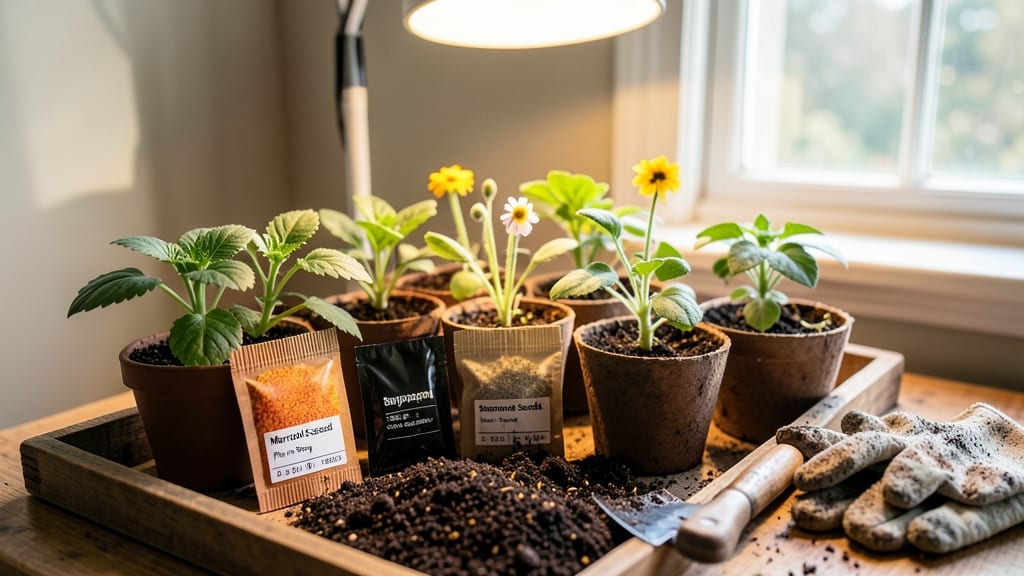
To start planting flower seeds at the right time means catching the sweet spot between frost and summer heat—too early and they’ll freeze, too late and you miss the blooms. 🌸
Timing your flower seed planting perfectly can mean the difference between a vibrant summer garden and a disappointing wait for blooms. But with frost dates, hardiness zones, and seed types to consider, figuring out when to plant can feel overwhelming—until now.
In Zone 6a, most annuals should start indoors 4-6 weeks before your last frost (around early April for many regions), while hardier perennials can wait until after the soil warms to 60°F.
Whether you’re sowing cosmos directly outdoors or nurturing dahlias under lights, this guide breaks down the exact windows for your climate.
You’ll learn how to read frost-date charts, avoid common mistakes like leggy seedlings, and even customize your schedule for regional quirks—like planting pansies in fall for a winter burst of color. Ready to transform your garden timing from guesswork to precision?


How to determine your flower seed planting timeline by hardiness Zone
Figuring out the perfect time to plant flower seeds depends on two critical factors: your USDA hardiness zone and your last spring frost date. These determine whether you'll start seeds indoors or sow them directly outside, and whether you're aiming for spring or fall blooms.
For example, in Zone 5, you might start petunias indoors in March for summer color, while in Zone 9, you could direct-sow marigolds in September for winter blooms.
Every hardiness zone has a unique frost-free window—the number of days between your last spring frost and first fall frost. This window dictates how early you can start seeds indoors and how late you can sow outdoors.
For instance, Zone 7 typically has a 210-day frost-free season, while Zone 3 only gets about 120 days. Knowing your zone helps you avoid planting too early (risking frost damage) or too late (missing the growing season).
To calculate your planting timeline, start by finding your last spring frost date—this is the average date when frost no longer occurs in your area. You can check local agricultural extensions or use online frost calculators.
For example, if your last frost is April 15, you’ll want to start petunia seeds indoors 8–10 weeks before that date, landing you in early February.
For direct-sown flowers like marigolds, wait until the soil temperature consistently stays above 60°F, usually a few weeks after your last frost.
For fall-planted flowers like pansies, timing is equally critical. These cool-season bloomers thrive when planted 6–8 weeks before your first fall frost. In Zone 6, where the first frost might hit October 15, you’d aim to sow pansies by early September.
Biennials like foxglove also benefit from fall planting, as they need a period of cold to trigger blooming the following year.
If you’re unsure about your zone, use the USDA Plant Hardiness Zone Map to pinpoint your location. Simply enter your ZIP code, and you’ll get your exact zone—ranging from Zone 1 (Alaska) to Zone 13 (Hawaii).
Once you know your zone, adjust your planting dates accordingly. For instance, gardeners in Zone 10 might direct-sow zinnias in March, while those in Zone 4 should wait until late May to avoid frost.
Pro tip: Use a seed-starting calendar to track your progress. Mark your last frost date, then count backward for indoor starts or forward for direct sowing. For example, if you’re growing basil (which loves warmth), wait until the soil is at least 55°F before planting outdoors.
For cool-season flowers like calendula, you can sow seeds as early as 2–3 weeks before your last frost, as they tolerate lighter frosts.
Don’t forget to account for biennials and perennials, which often have different timelines. For instance, hollyhocks should be started indoors 12 weeks before your last frost and transplanted after the danger of frost has passed. Meanwhile, dahlias need an even
Best flower seeds to start indoors vs. direct-sow outdoors by season
Deciding whether to start your flower seeds indoors or direct-sow outdoors can save you time and frustration. Some flowers, like dahlias and hollyhocks, need a head start indoors to establish strong roots before transplanting.
Others, such as cosmos and zinnias, thrive when sown directly into the garden after the last frost. The key is matching the plant's growth cycle to your climate's last frost date.
Starting seeds indoors gives delicate or slow-growing flowers a 4–12 week advantage before the growing season begins. However, it requires careful attention to light, temperature, and humidity to avoid leggy seedlings.
Direct-sowing, on the other hand, is simpler and reduces transplant shock for hardy annuals that germinate quickly in warm soil.
Indoor Starting vs. Direct-Sowing
Indoor Starting
- Pros: Longer growing season for slow germinators (e.g., snapdragons, petunias)
- Pros: Avoids transplant shock for delicate roots
- Cons: Requires grow lights or sunny windows
- Cons: Risk of overcrowding if not thinned
Direct-Sowing
- Pros: Simpler for fast-growing flowers (e.g., marigolds, sunflowers)
- Pros: No transplant stress for hardy species
- Cons: Limited to warm-season planting windows
- Cons: Pests may target young seedlings
For cool-season flowers like pansies and snapdragons, starting indoors 8–12 weeks before last frost ensures they bloom early. In contrast, warm-season favorites such as zinnias and cosmos should wait until soil temperatures reach 60°F for direct sowing after frost. Always check your USDA hardiness zone to adjust timing accordingly.
If you're growing perennials like dahlias, indoor starting is a must—they need a 10–12 week head start to establish robust tubers before outdoor planting. For annuals like marigolds, however, direct-sowing after the last frost is foolproof.
The rule of thumb? If the seed packet says "direct-sow," trust it—these flowers adapt better to outdoor conditions.
Transplant shock is a real concern for indoor-started flowers. To minimize it, harden off seedlings by gradually exposing them to outdoor conditions for 7–10 days before planting. For direct-sown flowers, mulch seedlings to retain moisture and deter weeds, which helps them establish faster in competitive garden beds.
Pro tip: Use a seed-starting calendar to track your last frost date and count backward for indoor starts. For example, in Zone 6a, aim to start petunias indoors by March 1st for blooms by Memorial Day.
Adjust dates 1–2 weeks earlier for cooler zones or 1–2 weeks later for warmer climates.