
How To
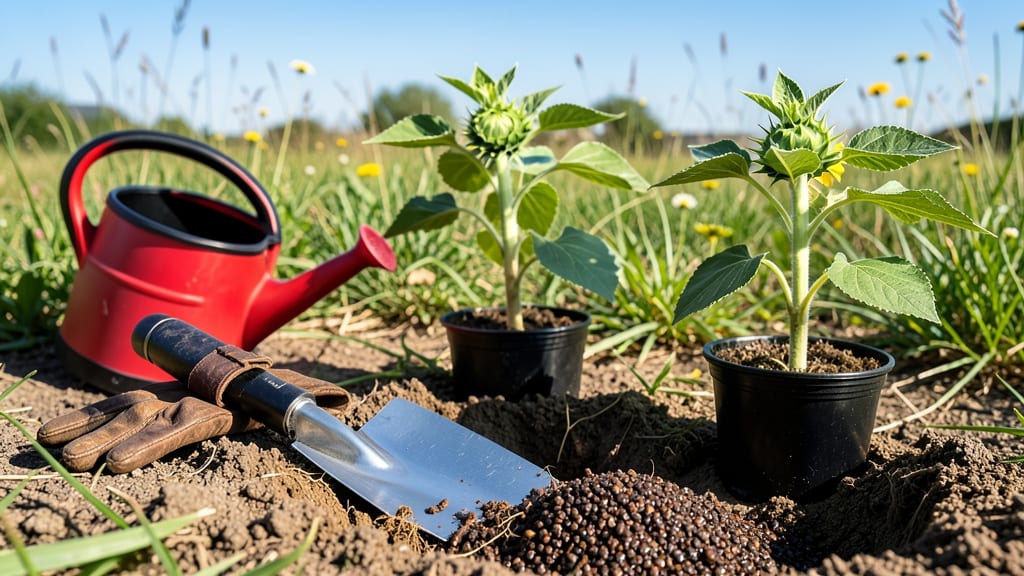
Transferring sunflower seedlings at the right time ensures they thrive in the garden 🌻 — too soon, and their delicate stems snap in the wind; too late, and growth stalls.
You’ve watched those first leaves unfurl, only to wonder: Are they ready? Sunflowers may seem tough, but their seedlings are surprisingly fragile. Moving them too early risks shock, while waiting too long can leave them leggy and weak. The key is a gradual transition that builds strength without stress.
In Zone 6a, aim for late April to early May, after the last frost and when soil warms to at least 50°F (10°C). But timing isn’t just about the calendar—it’s about leaf size, stem thickness, and even the weather forecast.
A 7-14 day hardening-off schedule is your secret weapon for sturdy plants that bloom like champions.
Below, I’ll walk you through the exact steps to time your transplant perfectly, spot the signs of readiness, and avoid the three biggest mistakes that sabotage sunflowers after moving day. No more guesswork—just strong, happy plants that reach for the sky.
The ideal hardening off timeline for sunflower seedlings before transplanting
Sunflower seedlings might look sturdy, but their delicate stems and shallow roots need gradual acclimation to outdoor conditions. A 7-14 day hardening off period prevents transplant shock and ensures your seedlings develop thicker cell walls and stronger root systems.
Without this adjustment, your sunflowers could wilt, develop blossom end rot, or even fail to thrive after transplanting.
Your hardening off schedule should align with your last frost date and local climate. In USDA Zone 6a, where frost typically ends around April 15, I start hardening off 2-3 weeks before the final frost.
For warmer zones, adjust by 1-2 weeks earlier—just ensure nighttime temperatures stay above 50°F (10°C) to avoid cold stress.
Step-by-Step Hardening Off Schedule for Sunflower Seedlings
- Day 1-3 Start with shade: Move seedlings outdoors to a protected location (e.g., porch or patio) for 1-2 hours in morning sunlight. Use 50% shade cloth if temps exceed 75°F (24°C).
- Day 4-6 Increase sunlight: Extend outdoor time to 3-4 hours with direct sun (remove shade cloth). Place seedlings in dappled shade if leaves show heat stress (yellowing or wilting).
- Day 7-9 Full sun prep: Gradually move to full sun for 5-6 hours daily. Monitor for wind exposure—use small stakes or cloche covers if seedlings lean excessively.
- Day 10-12 Overnight test: Leave seedlings outdoors overnight if nighttime temps stay above 50°F (10°C). Bring them in if frost threatens or temps drop below 45°F (7°C).
- Day 13-14 Final adjustment: If no frost risk remains, let seedlings stay outdoors 24/7. Water deeply in the morning to mimic outdoor conditions. Transplant within 24 hours of this final step.
🌱 Pro Tip: Harden off faster in mild climates (e.g., Zone 8+) by skipping shade cloth and focusing on overnight acclimation.
During hardening off, pay close attention to your seedlings’ water needs. Container-grown seedlings dry out faster, so I water them daily in the morning to keep soil consistently moist but not soggy.
Avoid evening watering—wet foliage at night invites fungal diseases like powdery mildew, which can devastate young sunflowers.
Another critical factor is wind protection. Sunflowers may seem tall, but their thin stems can snap under strong breezes. I use mini bamboo stakes or cloche covers for seedlings during high-wind days.
Even a light breeze can cause permanent damage to their delicate cotyledons, setting back growth for weeks.
By Day 10, your seedlings should show visible improvements: darker green leaves, thicker stems, and better root development. If they’re still looking pale or leggy, extend the process by 3-5 days.
Remember, rushing leads to transplant shock, while over-hardening can stress them unnecessarily.
For regional adjustments, gardeners in cooler climates (e.g., Zone 4-5) may need 16-21 days of hardening off, while those in hot climates (e.g., Zone 9+) can often skip shade cloth entirely. Always check your local weather forecast for frost warnings—even a light freeze can kill tender seedlings.
Once your seedlings pass the overnight test without wilting, they’re ready for transplanting. I recommend moving them to the garden on a cloudy day or in the early morning to reduce sun stress.
Dig holes twice as wide as the root ball and water deeply after planting to help roots establish quickly.
With this structured timeline, your sunflower seedlings will transition smoothly from indoor pots to
Signs your sunflower seedlings are ready to transfer (and when to wait)
Sunflower seedlings need at least 4-6 true leaves before transplanting, but that's just the start. The stem thickness and root development are equally important indicators. Thin, leggy seedlings with pale stems often struggle after transplanting, while sturdy ones with dark green leaves handle the move much better.
I've found that seedlings with stems as thick as a pencil (about 1/4 inch) are ideal candidates.
Another key sign is root binding in their containers. Gently squeeze the sides of the pot—if roots are circling tightly or growing through drainage holes, they're ready for their permanent home. You'll also notice healthier leaf edges on ready seedlings, free from the jagged brown tips that signal stress.
These visual cues tell me the plants have developed enough to support themselves outdoors.
Ready to Transfer When...
Don't rush the process—waiting for warm soil (at least 50°F/10°C) is crucial. I always check soil temperature with a thermometer because cold soil can shock roots, even if air temperatures seem mild.
The last frost date in your area is a good starting point, but I add 2-3 weeks as a buffer. For example, in USDA Zone 6a, I wait until mid-May when nighttime temps consistently stay above 55°F (13°C).
One mistake I've seen gardeners make is transplanting based solely on seedling age. While most sunflowers take 7-14 days to reach transplant readiness, some varieties like 'Moulin Rouge' mature faster than 'Russian Giant'.
Always prioritize plant maturity over calendar dates. If your seedlings are outgrowing their containers with thick stems but it's still cool outside, consider using row covers to protect them during the day.
Finally, observe the weather forecast for 5-7 days before transplanting. Cloudy, overcast days reduce transplant shock better than bright, hot afternoons. I've had the best success moving seedlings on mild, breezy mornings when relative humidity is moderate.
This gives the plants time to establish roots without immediate stress from intense sunlight or wind.
Remember, healthy roots are your best indicator of transplant success. If you gently tease apart roots and see a white, fibrous network, your seedlings are ready. But if roots are matted and circling tightly, give them 1-2 more weeks in their containers.
Patience here pays off with stronger, more resilient plants that bloom 2-3 weeks earlier than rushed transplants. 🌱