
Flowers
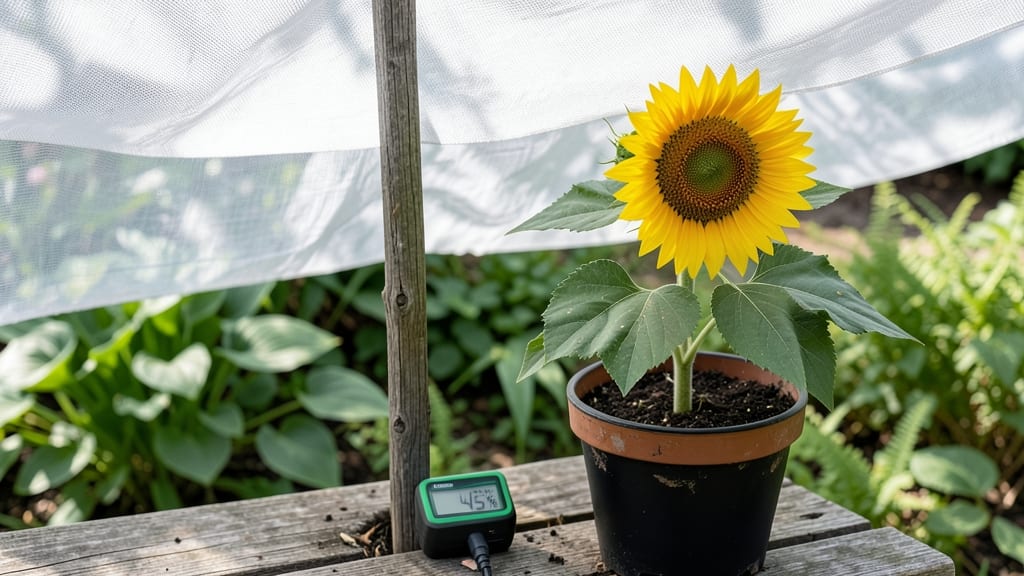
Sunflowers growing in shade might seem like a lost cause, but with the right approach, you can still coax those bright 🌻 blooms to life.
Picture this: your backyard has a shady corner where tomatoes and peppers refuse to thrive, but you still want that cheerful sunflower charm. The truth is, while sunflowers love full sun, some varieties handle partial shade better than others—and a few tricks can make all the difference.
Shade slows growth, reduces blooms, and can leave stems leggy, but it’s not a dealbreaker. In this guide, I’ll break down which sunflower types tolerate low light, how to prep your soil for success, and even which companion plants can help them stretch toward the sky.
By the end, you’ll know exactly how to turn that shady patch into a sunflower haven—without sacrificing height, color, or those iconic seeds.


Sunflower light requirements: how much shade can they tolerate?
Sunflowers (Helianthus annuus) are classic full-sun lovers, but they can adapt to partial shade with the right approach. While they thrive with 6-8 hours of direct sunlight, some varieties tolerate 4-6 hours—especially in cooler climates.
The key is understanding how shade impacts their growth, flowering, and seed production.
In deep shade (less than 4 hours of sunlight), sunflowers will struggle to develop strong stems, produce vibrant blooms, or form viable seeds. Their photosynthetic efficiency drops, leading to leggy, weak plants with fewer flowers.
However, dwarf varieties and early-season bloomers often handle partial shade better than their giant counterparts.
Here’s how shade affects sunflowers at different stages:
| Sunlight Condition | Growth Impact | Flowering Impact | Seed Production |
|---|---|---|---|
| Full Sun (6-8+ hours) | Tall, sturdy stems; vigorous foliage | Large, vibrant blooms; multiple flowers per plant | High yield; plump, viable seeds |
| Partial Shade (4-6 hours) | Shorter stems; slower growth; may lean | Smaller blooms; fewer flowers; delayed blooming | Lower seed yield; smaller seeds |
| Deep Shade (<4 hours) | Leggy, weak stems; poor foliage | Minimal to no blooms; early death | No viable seeds; plant may not survive |
If your garden only gets partial shade, choose shade-tolerant varieties like 'Teddy Bear' or 'Moulin Rouge,' which handle 4-6 hours of sun better than standard types. These varieties prioritize flower production over height, making them ideal for shaded spots.
Watch for signs of light deficiency in sunflowers: pale yellow leaves, elongated stems, and buds that fail to open. These indicate your plants aren’t getting enough light.
To compensate, rotate plants every few weeks to ensure even exposure or use reflective surfaces (like white walls) to bounce extra light onto leaves.
For optimal growth, aim for at least 6 hours of sunlight daily. If your garden is heavily shaded, consider container gardening near a sunny window or balcony. Sunflowers are surprisingly adaptable when given the right conditions—even in less-than-ideal light!
Pro tip: Morning sun is more beneficial than afternoon sun, as it reduces stress from heat and drought. Position your sunflowers to catch the gentle morning rays for the best results in partial shade.
Remember, sunflowers won’t just survive in shade—they’ll thrive with the right care. Focus on soil health, watering consistency, and variety selection, and you’ll enjoy cheerful blooms even in less sunny spots. 🌻
Best shade-tolerant sunflower varieties for low-light gardens
If you've ever dreamed of growing sunflowers in shade, don't give up hope! While most varieties crave full sun, these shade-tolerant sunflower cultivars will still produce stunning blooms in partial shade or filtered light. The key is choosing the right variety and providing optimal growing conditions.
Sunflowers typically need 6-8 hours of direct sunlight for peak performance, but some varieties adapt well to 3-4 hours of sunlight daily. These shade-friendly options may produce smaller blooms or shorter stems, but they'll still bring joy to your garden with their cheerful faces and easy-care nature.
For shade gardens, I recommend starting with Teddy Bear sunflowers—their dwarf stature (1-3 ft) makes them perfect for containers or small spaces. These varieties thrive with just 3-4 hours of sunlight and produce fuzzy, teddy bear-like petals that kids love.
If you're looking for early blooms, Moulin Rouge is an excellent choice. This bicolor variety blooms in just 65-75 days and handles partial shade beautifully. Its compact size (3-5 ft) makes it ideal for border gardens or mixed containers.
For heirloom lovers, Autumn Beauty delivers stunning multi-colored petals that change as they mature. While it needs slightly more light (4-5 hours daily), its long bloom season makes it worthwhile for shade-tolerant sunflower gardens.
Remember, even shade-tolerant varieties will perform best with morning sunlight exposure. Place them near east-facing windows or in areas with filtered light from trees. With proper care, these varieties will reward you with bright blooms and happy pollinators all season long! 🌻