
Flowers
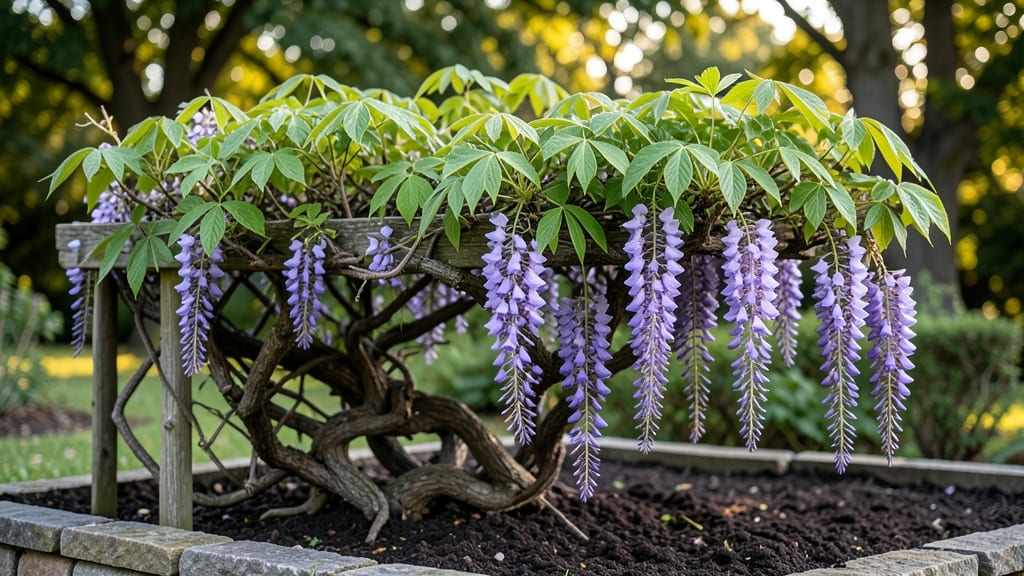
Your wisteria’s flower time depends entirely on where you live — and getting it right means purple, blue, or white cascades in late spring instead of waiting another year.
Picture this: you’ve spent years nurturing your 🌸 wisteria, and now you’re staring at bare branches when your neighbors’ vines are dripping with fragrance. That’s the frustration of missed bloom windows, and it’s easier to avoid than you think.
In USDA Zone 6a (like much of the Midwest), expect blooms from late April to early June, while Southern gardeners in Zone 8 might see flowers as early as March. But timing isn’t just about the calendar—it’s also about pruning, sunlight, and even the variety you’ve chosen.
Below, I’ll break down the exact months for your zone, how to adjust bloom time with simple care tweaks, and which wisteria types flower the earliest (or longest). No more guessing—just peak blooms on schedule.
Wisteria flower time by USDA Zone: exact months for peak blooms
Timing your wisteria blooms means knowing your USDA zone and variety. In Zone 5, expect flowers from late May to June, while Zone 9 gardeners enjoy blooms as early as March.
Regional microclimates—like coastal areas—can shift blooms by 2-3 weeks. Japanese wisteria typically blooms 1-2 weeks earlier than Chinese varieties, with American wisteria often flowering slightly later.
Southern states like Georgia or Florida (Zones 8-9) see blooms from February to April, while Northern states like Minnesota or Wisconsin (Zone 5) wait until late May.
Early spring warmth triggers blooming, so late frosts can delay flowers. Plan your garden layout around these timelines to maximize visual impact during peak bloom seasons.
🌸
In Zone 5, wisteria like 'Amethyst Falls' bloom late due to cooler springs. Prune these varieties right after flowering to set buds for next year. Meanwhile, Zone 9 varieties like 'Silver Cascade' often bloom twice—once in February and again in fall if conditions are ideal.
Pay attention to local frost dates to protect early blooms.
Japanese wisteria (Wisteria floribunda) tends to bloom 1-2 weeks earlier than Chinese wisteria (Wisteria sinensis). For example, in Zone 7, Japanese types like 'Jako' may flower in early May, while Chinese varieties like 'Prolific' wait until mid-May.
This timing difference lets you layer multiple wisteria types for a longer bloom season.
American wisteria (Wisteria frutescens) typically blooms 2-3 weeks later than its Asian cousins. In Zone 6, expect blooms from late May to June. These varieties often produce longer flower clusters but may require more aggressive pruning to control their vigorous growth.
If you're in Zone 5 or 6, consider planting a mix of Japanese and Chinese wisteria to extend your bloom window.
Regional microclimates play a huge role. Coastal areas in Zone 8 (like Southern California) may see blooms as early as February, while inland areas wait until March. Similarly, valley regions in Zone 7 often bloom 10-14 days earlier than mountain areas.
Use these local variations to your advantage—plant wisteria in warmer microclimates for earlier blooms or cooler spots to delay flowering.
To maximize blooms
How to adjust wisteria flower time: pruning and care secrets
Want your wisteria to bloom earlier or later? The key lies in timing your pruning, optimizing sunlight, and feeding strategically. Most gardeners miss the mark by pruning at the wrong time or neglecting soil health—both can delay blooms by months.
Let’s fix that with science-backed techniques tailored to your climate and wisteria type.
First, understand that wisteria blooms on old wood (last year’s growth), so aggressive summer pruning can sacrifice next year’s flowers. Instead, focus on winter pruning (late February to early March in most zones) to shape your vine while preserving flower buds.
This is where most gardeners go wrong—cutting too late or too early disrupts the plant’s natural cycle.
For earlier blooms, focus on winter pruning and spring fertilization—this jumpstarts growth. To delay blooms (e.g., for fall color), prune lightly in early summer and provide afternoon shade.
Always monitor your vine’s response: if buds swell but don’t open, check for pests (aphids, spider mites) or nutrient deficiencies (yellow leaves = nitrogen; purple stems = phosphorus).
Pro tip: Japanese wisteria blooms earlier than Chinese wisteria, so choose your variety based on your desired timing. With these adjustments, you’ll have perfectly timed, abundant blooms year after year—no more waiting until next spring! 🌸