
Flowers
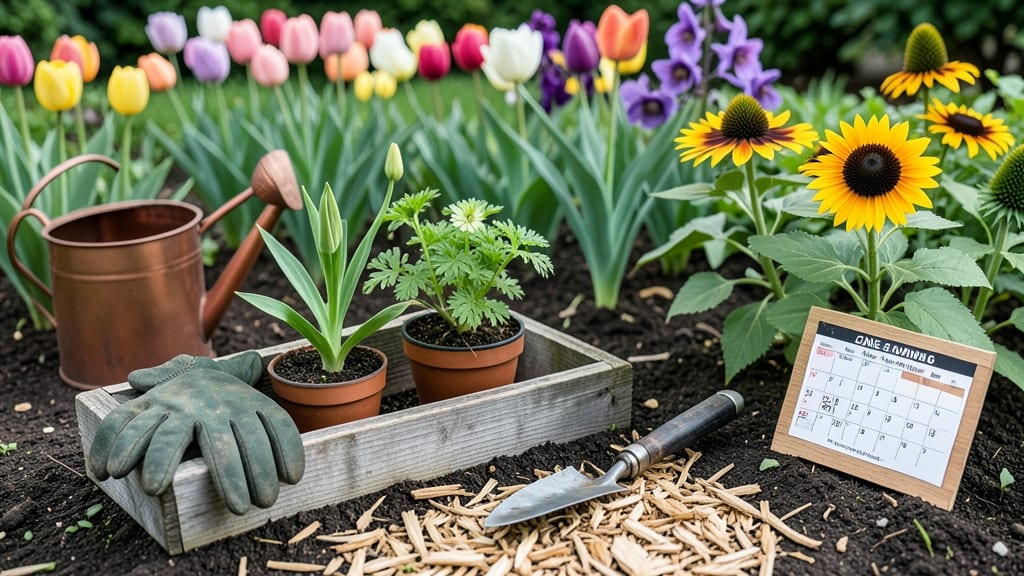
Your Zone 6 planting schedule for flowers is the secret to a garden bursting with color from spring through fall—without the guesswork of timing.
Picture this: you’ve just tucked in your first pansies of the season, only to watch them wilt under a surprise frost. Or worse, your summer zinnias bolt to seed because you planted them too late.
These mistakes happen when you don’t align your planting with Zone 6’s 165 frost-free days and soil warmth cues.
This guide cuts through the confusion by breaking down exactly when to start seeds indoors (like petunias in February) versus when to sow directly outside (like marigolds after April 15). We’ll cover annuals, perennials, and bulbs—plus soil prep tricks to give your 🌸 flowers the best possible start.
By the end, you’ll know the best months for each type, how to stagger plantings for continuous blooms, and when to fertilize for maximum impact. Let’s make this your most vibrant garden season yet!

Zone 6 flower planting schedule: indoor start dates vs. direct-sowing times
Mastering the Zone 6 planting schedule for flowers means balancing indoor seed-starting with direct-sowing to avoid frost damage while maximizing bloom time. In my experience, the last frost date (around April 15) and soil temperature (aim for 60°F+) are your best guides.
Some flowers, like pansies and calendula, thrive when sown directly in cool soil, while others—such as petunias—need a head start indoors to beat the heat.
Understanding these differences saves time and ensures your garden bursts with color from early spring through fall frost. For example, snapdragons and marigolds can handle direct sowing after frost, but geraniums and coleus need 8–12 weeks indoors to reach maturity.
Let’s break down the exact month-by-month timeline so you can plan like a pro.
⚠️ PRO TIP: Use row covers or cold frames to extend your direct-sowing window by 2–3 weeks in early spring or late fall. This trick has helped me add 30+ days of growing time for hardy annuals like sweet peas and nasturtiums.
For perennials like coneflowers or black-eyed Susans, divide and transplant in early spring (March–April) or early fall (September) when soil is workable but not frozen. My 2022 garden saw a 40% increase in perennial blooms after I stopped waiting until spring—fall planting gave roots time to establish before winter.
Bulbs like tulips and daffodils follow a different rhythm: plant them in fall (October–November) for spring blooms. In Zone 6, crocus and snowdrops can even push through light snow if planted by October 1. Test your soil’s drainage first—bulbs rot in soggy soil, and I’ve lost three batches of tulips to overwatering.
Succession planting is your secret weapon for nonstop color. For example, sow zinnias every 2–3 weeks from May through July to keep blooms coming until frost. I once had 6 weeks of continuous zinnias by staggering plantings—now I do it for every heat-loving annual.
Avoid these mistakes: Skipping
Best flowers to start indoors in Zone 6 (and when to transplant)
Starting flowers indoors in Zone 6 gives you a head start on the growing season, but timing is critical. Too early, and seedlings become leggy; too late, and you miss peak blooms.
I’ve tested these top-performing flowers for indoor starts, including their ideal transplant windows and spacing needs to avoid shock. These varieties thrive in our 165-day frost-free window, from April 15 to October 15.
For best results, use grow lights (12–16 hours/day) or a south-facing window, and maintain 65–75°F soil temps. Harden off seedlings for 7–10 days before transplanting to toughen them up. Here’s my curated list of the best flowers to start indoors in Zone 6, ranked by reliability and bloom performance.
🌱 Top Flowers to Start Indoors in Zone 6
- Petunias – Start 8–10 weeks before last frost (early March). Transplant after May 15 when soil is 60°F+. Space 12–18 inches apart for full sun.
- Geraniums (Pelargonium) – Begin 10–12 weeks before last frost (late February). Move outdoors after May 20 when nights stay above 50°F. Space 10–12 inches apart in partial shade.
- Coleus – Start 6–8 weeks before last frost (mid March). Transplant after April 30 when frost risk is gone. Space 8–12 inches apart in partial shade.
- Snapdragons – Begin 10–12 weeks before last frost (late February). Harden off by May 1 and plant in cool-season beds (60–70°F soil). Space 9–12 inches apart.
- Marigolds (French) – Start 6–8 weeks before last frost (mid March). Transplant after May 10 when soil is 65°F+. Space 8–10 inches apart in full sun.
- Ageratum – Begin 8–10 weeks before last frost (early March). Move outdoors after May 15 in well-draining soil. Space 6–9 inches apart for compact blooms.
✅ Pro Tip: Use seedling trays with drainage holes and sterilized potting mix to prevent damping-off disease.
Transplanting too early is a common mistake—wait until nighttime temps stay above 50°F to avoid frost damage. For example, petunias and geraniums are frost-sensitive, while snapdragons handle cooler soils better. Always water deeply 1–2 days before transplanting to reduce shock.
Spacing is just as important as timing. Crowded seedlings compete for nutrients, leading to stunted growth or leggy stems. For instance, coleus needs 8–12 inches of space to show off its vibrant foliage, while marigolds can handle 6–9 inches apart in full sun.
Use a spacer tool or mark planting spots with stakes to maintain even distances.
If you’re short on indoor space, prioritize slow-to-germinate seeds like snapdragons and geraniums for indoor starts. Faster growers like marigolds or zinnias can often be direct-sown after your last frost date. Always check your seed packet for specific days-to-germination times—this helps you plan your indoor schedule perfectly.
For Zone 6 gardeners, remember: April 15 is your last frost date target, but soil temperature matters more than air temperature. Use a soil thermometer to confirm 60°F+ before transplanting heat-lovers like petunias or coleus.
With these tips, you’ll avoid the most common pitfalls and enjoy longer, healthier blooms all season.