
Flowers
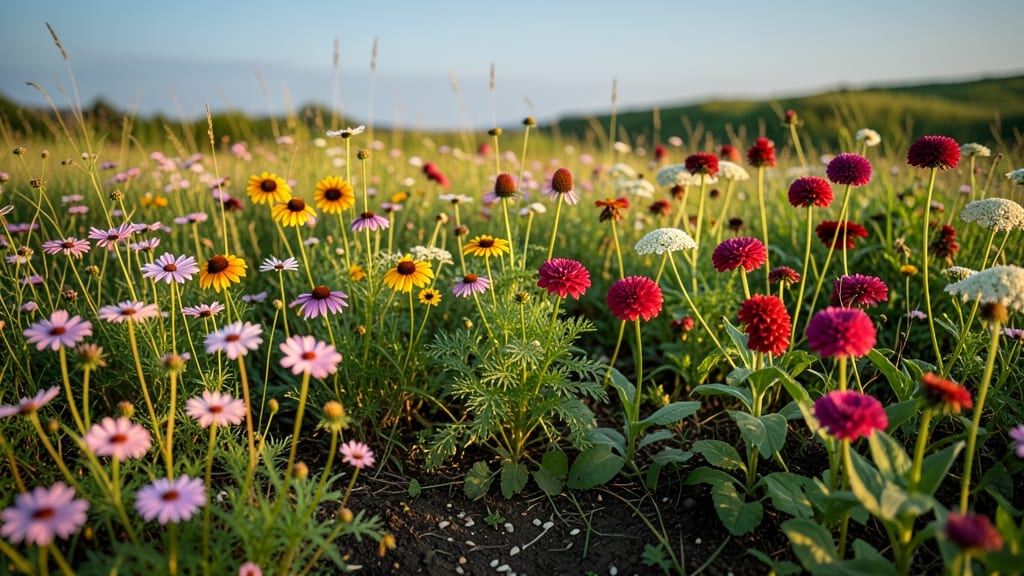
Wildflowers can be either annuals or perennials, and knowing the difference is the key to planning a garden that blooms year after year.
Picture this: you plant a wildflower meadow in spring, and it bursts into color—only to vanish by summer. That’s the annual life cycle in action, but the good news is that perennials like coneflowers return reliably, giving you low-maintenance beauty for years.
The choice between the two can transform your garden’s look and effort.
Annual wildflowers like cosmos and zinnias complete their entire life cycle in one season, seeding themselves for next year’s show. Perennials, on the other hand, like black-eyed Susans or bee balm, regrow from their roots every spring, offering longer bloom times and fewer replanting chores.
In this guide, I’ll walk you through how to spot annuals vs. perennials, share top varieties for each type, and reveal the best ways to mix them for a garden that stays vibrant with minimal work.
Annual vs. perennial wildflowers: key differences and how to identify them
When planning your wildflower garden, understanding whether a species is an annual or perennial makes all the difference. Annuals complete their life cycle in one growing season, while perennials return year after year, often with stronger growth each time. This distinction affects everything from planting schedules to maintenance efforts.
Annual wildflowers like cosmos and zinnia burst into color within months, but their energy goes entirely into producing seeds before they die back. Perennials, such as black-eyed Susan or purple coneflower, invest in underground roots, allowing them to regrow season after season.
Knowing which is which helps you design a garden that blooms continuously.
Seed production is another key difference. Annuals prioritize seed-making, often dropping thousands of seeds to ensure next year’s growth. Perennials, however, focus on building robust root systems, storing energy for future blooms. This habit influences how you collect seeds or propagate plants.
Let’s explore the visual and growth differences between these two types, so you can identify them in your garden with confidence. The comparison below highlights the most important traits to watch for.
One of the easiest ways to identify an annual wildflower is by its rapid growth and short bloom cycle. For example, sunflowers grow from seed to towering heights in just a few months, then produce seeds before fading.
In contrast, perennials like bee balm take time to establish but reward you with longer-lasting blooms and lower maintenance.
Pay attention to stem thickness and leaf structure—annuals often have thinner stems and softer leaves, while perennials develop woody stems and leathery leaves over time. This physical difference reflects their investment in survival strategies.
Seasonal behavior is another clue. Annuals typically bloom all at once, creating a dramatic but fleeting display. Perennials, however, may bloom in stages, extending their show from early summer to fall. This staggered timing is perfect for year-round color in your garden.
If you’re collecting seeds, annuals are your best bet—they produce abundant seeds that store well for next year’s planting. Perennials, while they do produce seeds, often rely on division or root cuttings for propagation. This makes them ideal for low-maintenance gardens where you want reliable blooms without yearly replanting.
For garden planning, mix both types to create a dynamic landscape. Use annuals like marigolds for quick color and perennials like lavender for structure and longevity. This combo ensures your garden stays vibrant and self-sustaining with minimal effort.
Now that you know how to spot the differences, you can confidently choose wildflowers that fit your garden’s needs—whether you want a one-season spectacle or a long-term investment in beauty. Happy planting! 🌼
Top 10 wildflowers ranked by life cycle: annuals vs. perennials for your garden
Choosing the right wildflowers for your garden depends on whether you want one-time blooms or year-after-year color. Annuals like cosmos and zinnia deliver dramatic displays but fade after one season, while perennials like black-eyed Susan and coneflower return reliably.
Let’s explore the top 10 wildflowers ranked by their life cycles, so you can plan your garden for maximum impact.
I’ve organized these wildflowers based on bloom duration, ease of cultivation, and climate adaptability. Whether you’re in a hot, dry region or a cooler climate, there’s a perfect match for your garden’s needs.
The key is understanding how each type fits into your long-term vision—whether that’s a self-seeding annual meadow or a low-maintenance perennial border.
Let’s start with the top 5 annual wildflowers, which are perfect for filling gaps or creating instant color. Cosmos and zinnia are my go-to choices—they thrive in poor soil, resist deer, and produce non-stop blooms from early summer until frost.
Their self-seeding nature means you’ll often get surprise blooms the following year, even though they’re technically annuals.
For perennial wildflowers, black-eyed Susan and coneflower are unbeatable. These hardy plants not only return year after year but also attract pollinators like bees and butterflies. They’re drought-tolerant once established, making them ideal for low-water gardens.
I’ve seen coneflowers in my own garden thrive for over a decade with minimal care—just deadheading spent blooms to encourage more flowers.
If you’re in a hot, dry climate, consider blanket flower or Mexican sunflower. Both are perennial in warm zones and bloom prolifically with almost no water once established.
For cooler regions, bee balm and columbine are fantastic perennials that add vertical interest and season-long color. The key is matching the plant’s hardiness zone to your location.
Don’t forget about biennials, like foxglove and hollyhock, which take two years to complete their life cycle but reward you with tall, dramatic spikes of flowers. These are great for adding height and structure to your garden.
I often plant them in clusters to create a focal point that draws the eye and adds vertical interest.
For a self-sustaining garden, mix annuals and perennials strategically. Plant annuals like cosmos in the front for quick color, then layer in perennials like coneflower for long-term beauty.
This way, you’ll always have something in bloom, whether it’s the bright pops of annuals in summer or the hardy perennials carrying you through fall and spring.