
Blooming
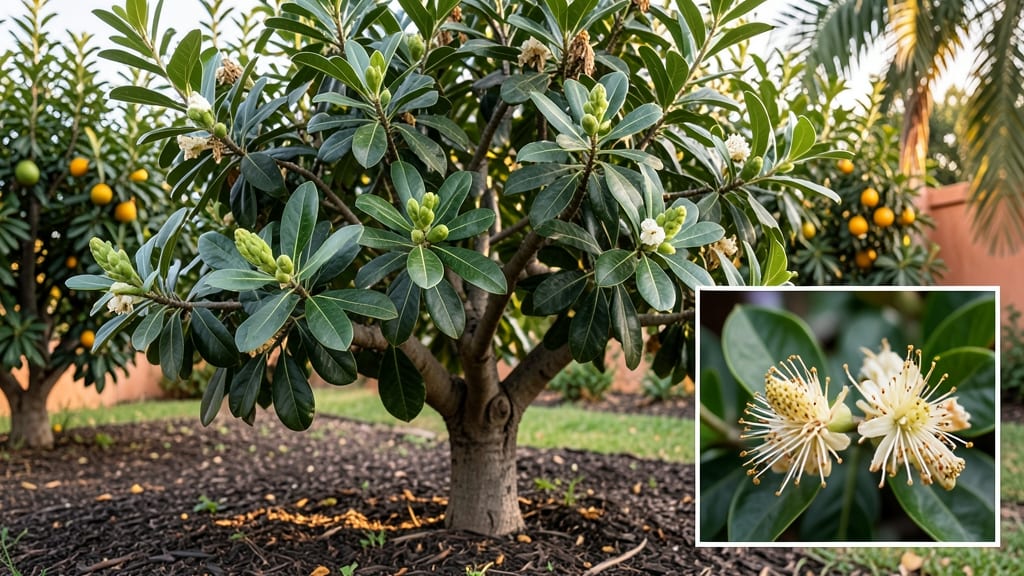
The avocado flower stages are the secret to unlocking a bountiful harvest from your 🥑 tree, and missing even one can mean fewer fruits on your table.
Did you know avocado trees produce two distinct flower types—Type A and Type B—that must be pollinated at the right time to yield fruit? Understanding each avocado flower stage is the key to maximizing your harvest, whether you're a home gardener or commercial grower.
From the first tiny buds to the final post-pollination drop, each phase plays a critical role in fruit development. Without proper timing and conditions, your tree might bloom beautifully but leave you with little to show for it.
In this guide, I’ll walk you through every stage—what to look for, how to support healthy blooms, and the simple tricks to boost pollination success so your avocado tree delivers the harvest you’ve been waiting for.
Avocado flower stages: type a vs Type B and their pollination timeline
Avocado trees are fascinating because they produce two distinct flower types—Type A and Type B—that must interact for successful pollination. These avocado flower stages are critical to fruit production, and understanding them can help you maximize your harvest.
Type A and Type B flowers don’t bloom simultaneously, which is why having multiple trees or varieties is essential for pollination.
Each flower type follows a specific blooming cycle that repeats every 6-12 months. Type A flowers typically bloom in the late spring to early summer, while Type B flowers appear in the fall to early winter.
This timing ensures that pollen from one type is available when the other is in bloom, creating the perfect conditions for fertilization.
Why does this matter? If you only have one avocado tree, it might produce flowers but fail to set fruit because there’s no cross-pollination. This is where knowing the avocado flower stages becomes a game-changer. By planting both types or ensuring nearby trees have complementary blooming cycles, you can dramatically improve your chances of a bountiful harvest.
Here’s a quick breakdown of the key differences between Type A and Type B flowers, including their blooming periods and pollination requirements.
The pollination timeline for avocado flowers is tightly linked to their blooming cycles. Type A flowers release pollen in the morning, making them receptive to pollinators early in the day. Meanwhile, Type B flowers often open later in the day, ensuring that pollen from Type A can fertilize them.
This natural synchronization is why avocado trees thrive in regions with both types present.
If you’re growing avocados in a container or controlled environment, you might need to hand-pollinate to ensure fruit set. Use a small brush to transfer pollen from Type A flowers to Type B flowers—or vice versa—during their overlapping blooming periods.
This method is especially useful in areas with limited pollinator activity or extreme weather conditions.
One of the most common mistakes gardeners make is assuming that a single avocado tree will produce fruit without cross-pollination. Without the right flower type combination, your tree might bloom beautifully but fail to set fruit.
To avoid this, plant at least two trees with complementary blooming cycles or choose a variety known for self-pollination, like the Hass avocado, which often has both flower types.
Monitoring your tree’s avocado flower stages closely can also help you predict the best time for pollination. Keep an eye out for bud formation, which typically occurs 2-3 months before blooming.
Healthy buds indicate a tree ready for pollination, while weak or sparse buds may signal nutrient deficiencies or environmental stress.
For optimal results, ensure your avocado tree receives full sun exposure and well-draining soil. These conditions encourage robust flower production and improve the chances of successful pollination. Regular pruning can also enhance airflow and sunlight penetration, leading to healthier blooms and better fruit set.
By understanding the distinct avocado flower stages and their pollination requirements, you’ll be well on your way to growing a thriving avocado tree with abundant fruit. Whether you’re a beginner or an experienced gardener, paying attention to these details can make all the difference in your harvest success.
How to identify each avocado flower stage by visual clues
Spotting the exact stage of your avocado tree's flowers is crucial for successful pollination and fruit production. Each stage—from bud formation to post-pollination—has unique visual cues that help you time interventions like hand-pollination or pest control.
I’ve observed that Type A and Type B flowers follow distinct timelines, so recognizing these differences early can double your harvest potential.
Start by examining the flower bud size and color. Early buds appear as small, greenish-yellow bumps along the branches, typically measuring about 1/8 inch wide. These buds will eventually swell and change color, signaling the transition to the next stage.
Missing these early clues often leads to missed pollination windows, so keep a close eye on your tree’s growth patterns.
- 🌱 Bud Formation Stage
- Size: Tiny green bumps (1/8 inch)
- Color: Pale green to yellow-green
- Location: Branch clusters, 1-2 inches apart
- Timeframe: 2-4 weeks before blooming
- 🌿 Early Bloom Stage
- Size: 1/4 inch wide, slightly swollen
- Color: Bright yellow with pinkish streaks
- Key Feature: Petals begin to separate
- Type A/B: Type A opens in morning; Type B at night
- 🌼 Full Bloom Stage
- Size: 1/2 inch wide, fully open
- Color: Vibrant yellow (Type A) or darker yellow-green (Type B)
- Pollination Window: Peak 3-5 days after full bloom
- Action: Hand-pollinate if no bees are present
- 🍃 Post-Pollination Stage
- Size: Flowers wilt and drop
- Color: Brownish-yellow petals
- Sign: Tiny green fruit bumps form at base
- Timeframe: 7-10 days post-pollination
One common mistake I see is confusing Type A and Type B flowers during the full bloom stage. Type A flowers open in the morning and wilt by afternoon, while Type B flowers bloom at night and last until midday.
If you’re hand-pollinating, use a small paintbrush to transfer pollen between flower types during their peak bloom times for maximum efficiency.
After pollination, watch for flower drop—a natural process where spent blooms fall. This is normal, but if you notice excessive drop before fruit sets, check for pollen incompatibility or environmental stress. I’ve found that maintaining consistent moisture levels and avoiding sudden temperature drops can significantly reduce premature flower loss.
For a deeper understanding, take photos of each stage and compare them to your tree’s progress. Documenting these changes helps you predict future blooming cycles and adjust your care routine accordingly. With practice, you’ll become an expert at reading your avocado tree’s signals—leading to healthier flowers and more abundant fruit.