
Flowers
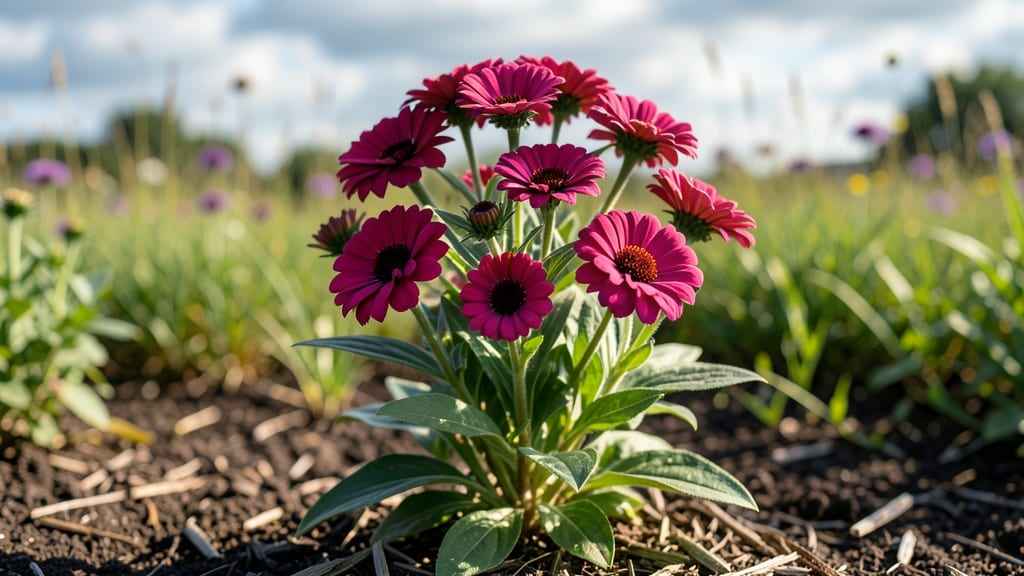
Zinnia flowers bloom from late spring through fall, turning gardens into a fast, vibrant canvas of color 🌼—but the exact timing depends on when you plant and where you live.
Picture this: you’ve just tucked those tiny seeds into warm soil, and by mid-summer, your yard is bursting with zinnias that last until frost. But miss the window, and you might end up with a sad, leggy plant that never quite gets going.
The good news? With the right timing and a few simple tricks, you can stretch that bloom season from June to October—or even longer.
Most zinnias planted in spring (after your last frost) will start flowering in 60-75 days, but dwarf varieties can bloom in as little as 45 days.
Whether you’re in Zone 6a or a warmer region, knowing your local frost dates and variety is the key to unlocking nonstop color.
Below, I’ll walk you through the month-by-month timeline, plus the easy care tips—like deadheading and feeding—that keep zinnias blooming like clockwork all season long.
Zinnia bloom timeline: month-by-month growth stages from seed to flower
If you’ve ever wondered when do zinnia flowers bloom, the answer depends on your USDA zone, variety, and planting strategy. Zinnias are fast growers—some varieties produce blooms in just 6-8 weeks—but their timeline shifts dramatically from Zone 3 to Zone 10.
Whether you’re growing dwarf zinnias for containers or towering Benary’s Giant varieties, understanding these stages helps you plan for year-round color.
The key to unlocking zinnias’ full potential lies in soil warmth and daylight hours. Seeds won’t sprout until soil reaches 60°F+, and cooler climates may need starter plants to avoid late-season blooms.
Meanwhile, tender varieties (like Profusion series) thrive in heat, while cold-hardy types (such as Zahara) tolerate earlier starts. Let’s break down the month-by-month timeline so you can sync your garden’s calendar with zinnias’ natural rhythm.
| Stage | USDA Zone 3-5 | USDA Zone 6-8 | USDA Zone 9-10 | Pro Tip |
|---|---|---|---|---|
| Seed Germination | May-June (after last frost) | April-May | March-April | Use row covers for early starts in cold zones. |
| Seedling Growth | June-July (4-6 weeks) | May-June (4-6 weeks) | April-May (3-5 weeks) | Thin seedlings to 12-18" apart for airflow. |
| First Buds | July-August (8-10 weeks) | June-July (6-8 weeks) | May-June (5-7 weeks) | Deadhead spent blooms to encourage reblooming. |
| Peak Bloom | August-September | July-September | June-October | Succession plant every 2 weeks for continuous color. |
| Late-Season Care | Cut back in October; mulch for winter | Deadhead until frost; save seeds | Harvest until first frost (Nov-Dec) | Collect seeds from Zahara varieties for next year. |
In USDA Zones 3-5, zinnias are late bloomers—your first buds won’t appear until July-August if you direct-sow seeds.
The cool spring delays germination, so I recommend starting seeds indoors in April or buying transplants for a head start. Dwarf varieties like Thumbelina (8-12" tall) bloom faster than giants, making them ideal for container gardens in shorter seasons.
Gardeners in Zones 6-8 enjoy the sweet spot for zinnias—60-90 days to bloom from seed. Plant in April-May for summer-long color, and expect peak blooms from July through September. Profusion zinnias, a disease-resistant series, thrive here and produce nonstop blooms with minimal deadheading.
For extended seasons, I stagger plantings every 2 weeks to ensure flowers appear as old ones fade.
Warmer climates in Zones 9-10 unlock zinnias’ full potential—blooms in as little as 5-6 weeks! Plant in March-April for spring blooms, and enjoy flowers until <
How to extend zinnia blooms: pro tips for longer flowering seasons
Zinnias are one of the easiest flowers to grow, but their blooms can fade faster than you'd expect if you don't use a few simple tricks. The secret to longer-lasting zinnias lies in consistent care and smart gardening techniques.
With the right approach, you can turn those summer flashes of color into a continuous display from early summer until frost!
Most zinnias bloom within 60-75 days after planting, but with proper care, they can keep producing flowers for months. The key is understanding their growth cycle and how to encourage reblooming. Whether you're a beginner or a seasoned gardener, these proven strategies will help you maximize your zinnia season.
5 Pro Tips to Extend Zinnia Blooms
- 1. Deadhead daily – Snip off spent blooms to redirect energy to new flowers. Use clean sharp scissors to avoid damaging stems.
- 2. Feed regularly – Use balanced fertilizer (5-10-5) every 4-6 weeks during peak bloom season.
- 3. Water deeply – Give plants 1 inch of water per week, focusing on soil roots—not leaves—to prevent disease.
- 4. Plant companions – Pair zinnias with marigolds or basil to deter pests and boost growth.
- 5. Succession plant – Sow new seeds every 2-3 weeks for a staggered bloom cycle all summer long.
One of the most effective ways to extend zinnia blooms is through deadheading. Simply pinch or cut off faded flowers just above a set of leaves. This simple act tricks the plant into producing more blooms instead of setting seeds.
I like to do this in the morning when the flowers are dry, which helps prevent fungal diseases from spreading.
Don't forget about soil nutrition—zinnias are heavy feeders! A light application of compost or balanced fertilizer every 4-6 weeks will keep them thriving. For best results, apply fertilizer in the early morning so it has time to absorb before the heat of the day.
Over-fertilizing can lead to lush foliage but fewer flowers, so moderation is key.
In cooler climates, you can even overwinter zinnias for early spring blooms. Choose cold-hardy varieties like 'Profusion' or 'Crystal,' and cut back the plants after the first frost. Mulch heavily around the base, then cover with a thick layer of straw or a frost blanket.
This protects the roots and allows for earlier planting the following spring.
With these strategies, your zinnias can bloom from early summer until frost, giving you months of vibrant color. The best part? These techniques work for both container gardens and in-ground plantings, making them perfect for any gardener!