
Shrubs
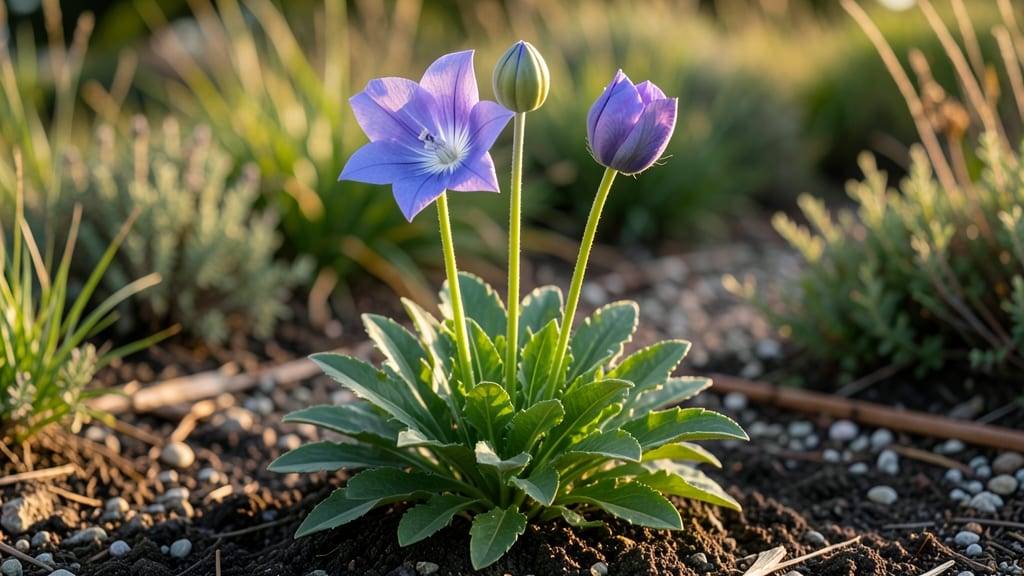
The balloon flower thrives in sun or shade, making it one of the most adaptable perennials for your garden 🌸 — but getting the balance right is the key to those showstopping blue-purple blooms.
Picture this: you’ve just planted your balloon flower seedlings, eager for summer color, only to watch them wilt under harsh afternoon sun or stretch pitifully toward a dim corner. The difference between a lush, blooming plant and a struggling one often comes down to light exposure.
Whether your garden gets full sun or dappled shade, this guide will help you position your balloon flower for maximum blooms year-round. We’ll cover the ideal light conditions, how to adjust for your climate, and the common mistakes that kill blooms before they even begin.
By the end, you’ll know exactly where to plant your balloon flower—whether it’s basking in morning sun or thriving in partial shade—to enjoy vibrant blooms from July through September.
 Best Window Placement
Balloon flower sun requirements: optimal light for peak blooms
The balloon flower (Platycodon grandiflorus) thrives in partial shade, making it perfect for gardens with filtered light or morning sun. While it tolerates full sun in cooler climates, afternoon heat can scorch its delicate petals.
Understanding your garden’s microclimate is key to unlocking those vibrant blue-purple blooms you love.
In USDA Zones 3-8, balloon flowers adapt well to morning sun (6 AM–12 PM) paired with afternoon shade. This balance prevents leaf burn while ensuring enough light for robust growth.
If you’re in hotter zones (9-10), prioritize dappled shade or use shade cloths to protect them from intense afternoon rays.
Signs of too much sun include crispy leaf edges, yellowing, or leggy stems stretching toward light. Too little light? You’ll see sparse blooms, pale foliage, and weak stems. Acclimate seedlings gradually by exposing them to 1-2 hours of morning sun weekly, then increase exposure over 2-3 weeks.
For container growing, place your balloon flowers near east-facing windows or under dappled shade trees. If indoors, supplement with grow lights (4-6 hours/day) to mimic natural light cycles. In hot summers, move pots to shadier spots by midday to prevent wilting.
Seasonal adjustments matter! In spring and fall, balloon flowers tolerate more direct sun (up to 8 hours). But in summer, reduce exposure to 3-4 hours max to avoid stress. Watch for wilting leaves—a sign they’re overheating—especially in Zone 9+ gardens.
Pro tip: Mulch around the base with organic matter to retain moisture and regulate soil temperature. This helps roots stay cool in intense heat while still getting enough light. Pair your balloon flowers with shade-loving perennials like hostas or ferns to create a thriving understory.
If your balloon flowers start looking leggy or sparse, it’s time to adjust their light. Gradually move them to a sunnier spot over 1-2 weeks, or trim back overgrown stems to encourage bushier growth.
With the right light balance, your balloon flowers will reward you with months of stunning blooms!
Remember: Observation is key. Keep a garden journal to track how your plants respond to different light conditions. Over time, you’ll master the perfect spot for peak blooms every season. Happy gardening! 🌸
Shade-tolerant balloon flower varieties and growing hacks
Not all hope is lost if your garden is shady! Some balloon flower varieties thrive in low-light conditions, producing stunning blooms with minimal sunlight. The key lies in selecting the right cultivars and implementing a few growing hacks tailored for shade.
These shade-tolerant varieties maintain their vibrant colors and compact growth even under trees or on north-facing patios.
Among the best shade-adapted balloon flowers are 'Hortensia' with its deep purple blooms and 'White Dawn', which offers pure white flowers that stand out in dimmer spaces.
Both varieties bloom from mid-summer to early fall and reach 18-24 inches tall, making them perfect for border gardens or container plantings on shaded balconies.
Balloon Flower in Sun vs. Shade
Sun Exposure
- ✅ Pros: Brighter blooms, more flowers
- ✅ Pros: Faster growth, taller stems
- ❌ Cons: Risk of leaf burn in afternoon sun
- ❌ Cons: Needs frequent watering
Shade Conditions
- ✅ Pros: No scorching, lower water needs
- ✅ Pros: Ideal for woodland gardens
- ❌ Cons: Fewer blooms, paler colors
- ❌ Cons: Requires reflective mulches
For shade gardening success, start with reflective mulches like white gravel or light-colored stones to bounce extra light onto plant foliage. Pair your balloon flowers with hostas or ferns to create a lush, layered look while improving microclimate conditions.
These companion plants also help retain soil moisture, reducing the need for frequent watering.
When pruning shade-grown balloon flowers, focus on deadheading spent blooms to encourage continuous flowering. Cut back leggy stems in early spring to promote bushier growth and prevent flopping. Avoid heavy pruning in fall, as this can stress plants preparing for winter dormancy.
For container gardening, choose well-draining pots with 10-12 inches of depth and use a lightweight potting mix amended with perlite.
Here’s your shade survival checklist for troubleshooting: ☑️ Monitor soil moisture—shade plants dry slower ☑️ Test soil pH (ideal 6.0-7.0) ☑️ Use slow-release fertilizer in spring ☑️ Watch for powdery mildew in humid shade ☑️ Rotate containers every 2-3 years for fresh soil.
With these growing hacks, your shade-tolerant balloon flowers will reward you with months of cheerful blooms!
Even in low-light gardens, you can enjoy the whimsical charm of balloon flowers. Experiment with different cultivars and container arrangements to find what works best for your space.
The right shade-adapted variety paired with smart growing techniques means you’ll never have to sacrifice colorful blooms for lack of sunlight. 🌿