
Planting
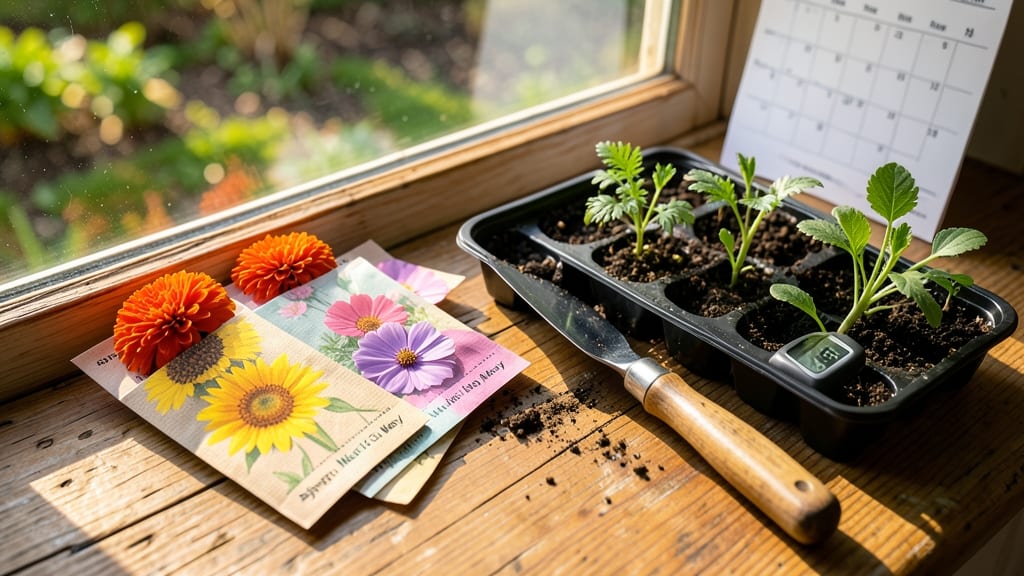
Planting flower seeds at the right time is the key to a garden bursting with color 🌸 — and missing that window means waiting another year for the blooms you crave.
Timing is everything in gardening—plant too early, and frost will kill them; too late, and you’ll miss the blooms you love. The right moment depends on your climate zone, flower type, and local weather patterns—but we’ve broken it down so you never guess again.
From USDA Zone 6a to coastal climates, I’ll show you exactly when to start seeds indoors or sow directly into the soil, plus how to adjust for unpredictable weather.
You’ll also discover fast-growing varieties for late starters and pro tips to extend your planting season—so your garden stays vibrant from spring to fall.
Best months to plant flower seeds by USDA hardiness zones
Knowing the best time to plant flower seeds depends entirely on your USDA hardiness zone and the type of flowers you’re growing. While annuals thrive when planted after the last frost, perennials and cold-hardy varieties can handle earlier sowing.
In warmer zones (like Zone 10), you might plant year-round, while Zone 5 gardeners need to time seeds carefully to avoid frost damage. Let’s break it down by zone so you can plant with confidence.
The key to success is aligning your seed-starting dates with your local frost-free date. For example, in Zone 7, you’ll plant most annuals in March or April, but in Zone 3, you’ll wait until May or June to avoid late frosts.
Below, you’ll find a zone-by-zone planting calendar for popular flowers, including marigolds, zinnias, and cosmos, plus tips for adjusting based on your microclimate.
🌱
For Zone 3-4 gardeners, the window is tight—most flowers must wait until late spring to avoid frost. Start seeds indoors in March for early blooms, then transplant after your last frost date, typically around May 15.
In Zone 5, you can push the envelope slightly by planting cold-hardy flowers like calendulas or stock as early as April, but always check a 10-day forecast for late frosts.
In warmer zones (7-10), you gain flexibility. For example, Zone 8 gardeners can plant fall-blooming flowers like chrysanthemums in August for a winter display. Meanwhile, Zone 10 offers nearly year-round planting, but avoid sowing during peak summer heat (June–August) to prevent seed desiccation.
Instead, focus on early spring (February–March) or fall (September–November).
🌿
Adjusting for local microclimates is just as important as the zone. If you live near a large body of water or in an urban heat island, your frost dates may shift by 2–4 weeks.
For instance, a Zone 6 gardener in a coastal area might plant in March, while an inland counterpart waits until April. Always monitor soil temperature—most flower seeds need at least 50°F (10°C) to germinate
How to adjust planting times for your local microclimate
Your local microclimate can shift planting times by 2-4 weeks compared to official zone guidelines. Whether you live in a mountain valley, urban heat island, or coastal fog zone, these microclimates create unique growing conditions.
Understanding them helps you avoid frost damage or heat stress while maximizing bloom time.
Start by observing your garden’s soil temperature—most flower seeds need 60-75°F soil to germinate. Use a soil thermometer for 3-5 days to confirm readiness. Coastal areas may stay cooler longer, while urban concrete absorbs heat, warming soil faster. Adjust your seed-starting dates accordingly, even if your neighbors plant earlier.
- 🏔️ Elevation: Add 1 week per 1,000 ft to frost dates—mountain gardens stay cooler.
- 🏙️ Urban Heat: Plant 2-3 weeks earlier—concrete and buildings trap heat.
- 🌊 Coastal Zones: Delay planting by 1-2 weeks—fog and ocean breezes slow warming.
- 🌙 Moon Phases: Start seeds during the waxing moon for faster germination.
- 🌡️ Soil Temp: Wait until soil hits 60°F+—cold soil = poor germination.
Historical weather data is your secret weapon. Check your local cooperative extension service for 10-year averages of last frost dates. If your area has unpredictable springs, err on the side of caution—plant hardy annuals like cosmos or zinnias slightly later.
For delicate blooms like petunias, wait until nighttime temps stay above 55°F.
Moon phases also play a role in germination. The waxing moon (growing phase) encourages upward growth, while the waning moon (shrinking phase) can slow sprouting. Align your seed-starting dates with the waxing moon for stronger seedlings.
Pair this with soil warming—cover seed beds with black plastic for 1-2 weeks before planting to jumpstart growth in cooler microclimates.
Don’t forget to monitor microclimate shifts year to year. A new windbreak, rooftop garden, or even a changed landscape can alter temperature and moisture. Keep a garden journal to track when your favorite flowers thrive—and adjust future planting times accordingly.
With these tweaks, you’ll extend your bloom season and grow healthier, hardier plants.
Pro tip: Group heat-loving flowers like marigolds near south-facing walls, while cool-season blooms like pansies thrive in shadier microclimates. Your garden’s layout can become a climate-adaptation tool—just observe and adapt! 🌿