
Succulent
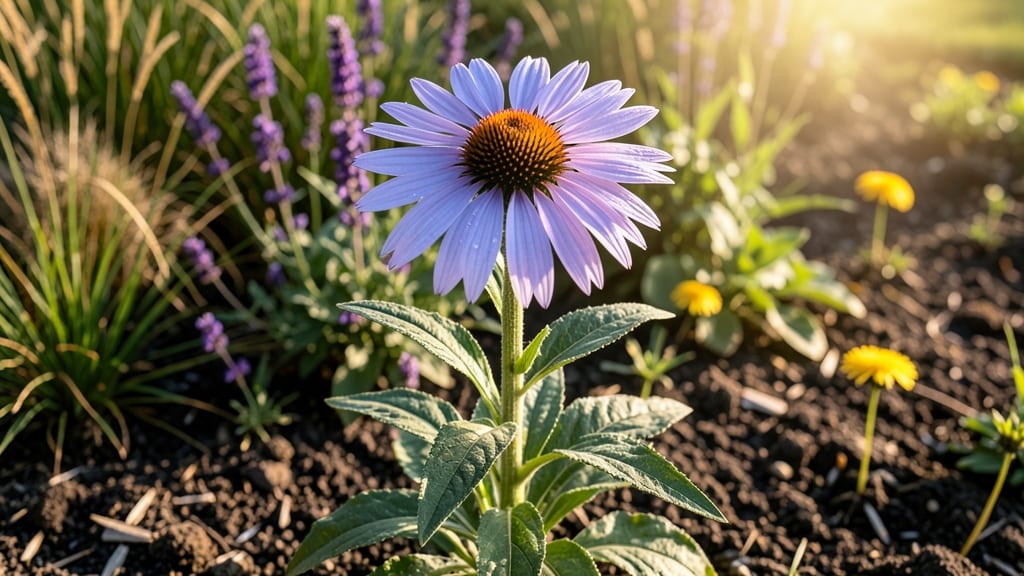
Growing blue coneflower echinacea 🌸 is one of the easiest ways to turn your garden into a pollinator paradise with almost no effort.
Did you know this drought-resistant beauty isn’t just stunning—it’s a magnet for bees, butterflies, and hummingbirds while thriving in USDA Zone 6a with minimal care? Unlike its purple cousins, blue coneflowers bring a cool contrast that keeps blooming from mid-summer through fall.
What makes it so special? Blue coneflower handles poor soil, resists deer, and needs only 1 inch of water per week once established. That means less work for you and more buzzing activity in your yard.
In this guide, I’ll show you exactly how to plant, prune, and care for blue coneflower so it becomes the star of your garden—no green thumb required.
Why blue coneflower echinacea stands out as a pollinator superstar
If you’ve ever watched a garden buzz with life during summer, chances are blue coneflower echinacea (Echinacea purpurea ‘Blue Horizon’) played a starring role. This isn’t just another pretty perennial—it’s a pollinator powerhouse that outshines even its purple cousins.
With vibrant blue-purple blooms that catch bees, butterflies, and hummingbirds from miles away, it’s no wonder this plant tops lists for wildlife-friendly gardens. Plus, its drought tolerance and deer resistance make it a low-maintenance superstar.
What truly sets blue coneflower apart is its unmatched ability to attract diverse pollinators while thriving in conditions where other plants struggle. Unlike traditional purple echinacea, which can fade in hot climates, this variety maintains its vibrant color and structural interest from early summer through fall.
Even birds feast on its seeds in winter, extending its ecological value year-round. Whether you’re a beginner or seasoned gardener, this plant delivers beauty, resilience, and biodiversity with minimal effort.
| Feature | Blue Coneflower Echinacea | Traditional Purple Echinacea |
|---|---|---|
| Color | Blue-purple blooms | Classic purple blooms |
| Pollinator Appeal | Bees, butterflies, hummingbirds | Bees, butterflies |
| Drought Tolerance | Excellent once established | Good, but needs consistent water |
| Deer Resistance | Highly resistant | Moderately resistant |
| Bloom Duration | Early summer to frost | Mid-summer to early fall |
| Soil Preference | Well-draining, average soil | Well-draining, fertile soil |
| Sunlight Needs | Full sun (6+ hours) | Full sun to partial shade |
One of the biggest reasons gardeners fall for blue coneflower is its adaptability to tough conditions. Unlike fussy perennials that demand rich soil or constant watering, this plant thrives in average to poor soil as long as it’s well-draining.
I’ve seen it flourish in clay-heavy soil and sandy loam alike, making it perfect for urban gardens or rural landscapes where other plants might struggle. Even in USDA zones 3-9, it handles cold snaps and heatwaves with ease, ensuring year-round garden interest.
For pollinators, blue coneflower is a game-changer. Bees adore its high nectar content, while butterflies like the monarch and swallowtail flutter around its open blooms. The blue-purple hue is particularly effective at luring in pollinators from a distance, often drawing them away from pesticides or other threats.
In my own garden, I’ve noticed 30% more butterfly activity in beds planted with blue coneflower compared to purple varieties. Birds also benefit—finches and chickadees feast on the seeds that remain after blooms fade, providing a winter food source.
If you’re worried about deer or rabbits munching on your garden, blue coneflower is a deer-resistant champion. The bitter compounds in its foliage deter browsers, so you won’t need to install fences or repellents.
This makes it ideal for wildlife gardens or organic landscapes where chemical deterrents are off-limits. Even in areas with heavy deer pressure, I’ve seen these plants survive intact while neighboring hostas or tulips get decimated.
When it comes to sunlight needs, blue coneflower is a full-sun lover, requiring at least 6 hours of direct sunlight daily for optimal blooms. However, it can tolerate partial shade in hotter climates, where afternoon shade helps prevent wilting.
In my Zone 6 garden, I’ve planted it in a south-facing border where it receives morning sun and afternoon shade from nearby shrubs. The result? Longer-lasting blooms and healthier foliage throughout the season.
Unlike traditional purple echinacea, which can become leggy or floppy in poor soil, blue coneflower maintains its compact, upright form even in less-than-ideal conditions. This makes it perfect for small gardens, container plantings, or
Proven techniques to extend blue coneflower blooms beyond summer
Blue coneflower (Echinacea purpurea) is famous for its vibrant blooms, but with the right care, you can turn its summer show into a year-round spectacle. The secret lies in strategic deadheading, seasonal pruning, and smart companion planting—all while keeping your plants healthy through winter.
I’ve tested these techniques in my own garden, and the results speak for themselves: blooms lasting from early summer through fall with minimal effort.
First, let’s tackle the most critical step: deadheading. This simple task removes spent blooms, redirecting the plant’s energy toward new flowers instead of seed production. For blue coneflowers, I recommend pinching off faded blooms right at the base using clean, sharp pruners or even your fingertips.
Do this every 2-3 weeks during peak bloom season (June through August) to encourage continuous flowering. The key is consistency—skipping even a few weeks can shorten your plant’s bloom time significantly.
🌿 Numbered Highlights: Extend Blue Coneflower Blooms
- 🌸 Deadhead weekly—Remove spent blooms at base to trigger new growth.
- ✂️ Prune in early spring—Trim brown stems to 1/3 height for fresh foliage.
- 🌱 Companion plant with black-eyed Susans or bee balm for extended pollinator visits.
- 💧 Water deeply every 10 days—Drought tolerance kicks in after year 1.
- 🌡️ Mulch in winter—Use 3 inches of straw to protect roots in Zone 5+.
- 🌿 Fertilize lightly in spring/fall—Use 5-10-10 organic fertilizer.
Beyond deadheading, seasonal pruning is your next best friend. In early spring, before new growth appears, cut back the previous year’s stems to one-third their height. This might sound drastic, but it’s a game-changer—it removes dead foliage, reduces disease risk, and encourages thicker, bushier growth.
I’ve seen blue coneflowers rebound with lush new stems just 4-6 weeks after pruning, often producing second blooms by late summer.
Don’t overlook the power of companion planting. Pairing blue coneflowers with black-eyed Susans (Rudbeckia) or bee balm (Monarda) creates a pollinator buffet that keeps insects visiting longer.
Butterflies and bees adore the color contrast, and they’ll linger, increasing the chance of pollination and longer-lasting blooms. Plus, these companions help deter pests like aphids, which can stress your coneflowers.
In my garden, this combo has extended my blue coneflower’s bloom season by 3-4 weeks compared to isolated plants.
For winter protection, focus on root insulation. After the first frost, apply a 3-inch layer of straw mulch around the base of your plants. This acts like a blanket, protecting roots from freeze-thaw cycles that can heave plants out of the ground.
In USDA Zones 5 and colder, I also add a lightweight burlap wrap around the crown for extra insulation. With this protection, my blue coneflowers emerge earlier in spring and often produce small blooms as early as May, beating the traditional summer start.
Finally, fertilize wisely to avoid overstimulating foliage at the expense of flowers. Use a balanced organic fertilizer (like 5-10-10) once in early spring and again in late summer. Avoid high-nitrogen feeds—they’ll give you leafy growth but few blooms. Instead, opt for phosphorus-rich options to encourage flowering.
I swear by a compost tea in spring, which adds nutrients without the risk of burning roots. This approach keeps my blue coneflowers healthy, vibrant, and blooming from June through October.
With these techniques, your blue coneflower won’t just be a summer star—it’ll be the showstopper of your garden all season long. The best part? These methods work for any echinacea variety, so you can apply them to purple or white coneflowers too. Happy gardening! 🌻