
Flowers
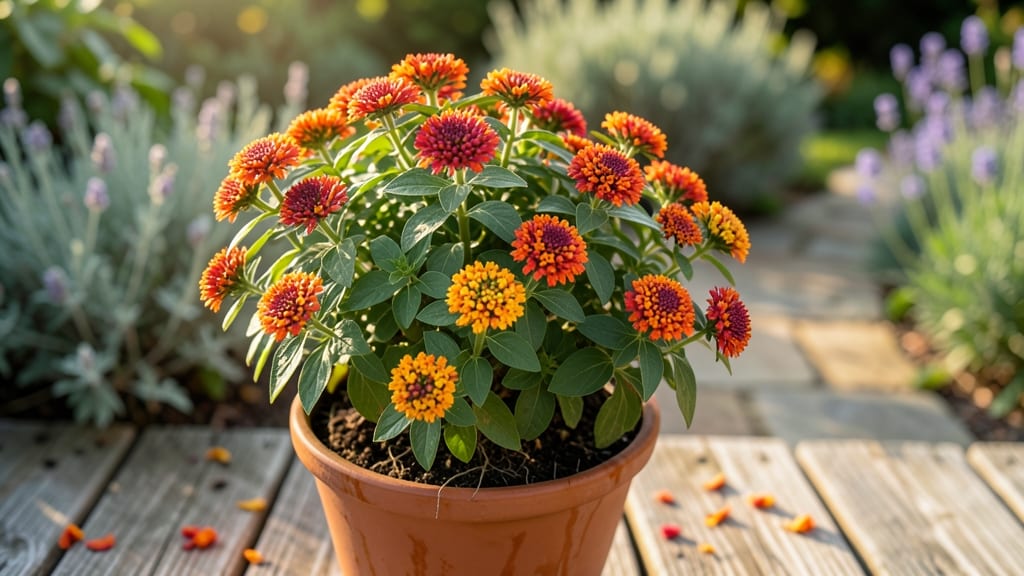
Lantana flowers attract butterflies with their bright clusters and sweet nectar, turning your garden into a buzzing hotspot for pollinators.
Imagine stepping outside to find 15+ butterfly species fluttering around your lantana 🌸 — their wings dusted with pollen, their tails curled just so. This isn’t just a pretty sight; it’s a sign your garden is doing its part for biodiversity.
The key? Planting lantana the right way, so it thrives and keeps those wings coming back year after year.
Butterflies aren’t picky, but they do love lantana’s long bloom season and vibrant colors. Whether you’re in Zone 6a or 11b, these hardy shrubs offer nectar from spring through fall.
The trick is pairing them with the right companions—think milkweed for monarchs or salvia for hummingbirds—to create a full-season buffet.
In this guide, you’ll discover exact planting tricks to maximize butterfly visits, from soil prep to pruning schedules, plus a cheat sheet of the top 15 species you’ll spot on your lantana. Ready to turn your yard into a butterfly haven?
Why lantana flowers are a top butterfly attraction (and how to maximize their appeal)
Lantana flowers aren't just pretty—they're a butterfly superfood. Their bright colors and sweet nectar act like neon signs for pollinators. With over 15 butterfly species flocking to them, lantana turns your garden into a fluttering hotspot.
The key? Understanding what makes them irresistible and how to create the perfect conditions.
Butterflies are drawn to lantana's compact clusters of tiny flowers, which provide both nectar and shelter. The long bloom season (spring through fall in many zones) means a steady food source, while the fragrant scent guides them in from afar.
Unlike some flowers that bloom once, lantana keeps producing, making it a year-round butterfly buffet when cared for properly.
| Butterfly Appeal Factor | Why It Matters | How to Maximize |
|---|---|---|
| Bright Colors | Visible from 50+ feet away | Choose yellow, orange, pink varieties |
| Sweet Nectar | High sugar content attracts butterflies | Avoid heavy fertilizers (reduces nectar) |
| Long Bloom Season | Food source for 6+ months | Prune lightly after first frost |
| Fragrant Scent | Guides butterflies from distance | Plant near windbreaks (e.g., shrubs) |
| Dense Foliage | Provides shelter for caterpillars | Space plants 18-24 inches apart |
The color palette of lantana is no accident—it's evolution's way of saying, "Eat me!" Butterflies see ultraviolet patterns in flowers that we can't, making yellow and orange varieties especially enticing.
For maximum appeal, I recommend planting a mix of Lantana camara 'Bandana Yellow' and 'Miss Huff' (pink). This creates a colorful gradient that attracts different butterfly species.
Sunlight is non-negotiable for lantana—and butterflies. These plants thrive in full sun (6+ hours daily), which also warms the flowers, making the nectar more accessible. I've seen Monarchs and Gulf Fritillaries cluster around my lantana bushes on 80°F+ days.
If your garden gets partial shade, opt for dwarf varieties like 'New Gold' to ensure they still get enough light.
Soil type plays a surprising role in butterfly attraction. Lantana prefers well-draining soil with a slightly acidic to neutral pH (6.0-7.5). Heavy clay or soggy soil stresses the plant, reducing its ability to produce high-quality nectar.
I always amend my garden beds with compost and perlite before planting. This not only helps the lantana but also encourages native soil microbes that butterflies rely on for their larvae.
Companion planting is where the magic happens. Pair lantana with butterfly magnet plants like milkweed (Monarch host), passionflower (Gulf Fritillary host), and bee balm. I've noticed a 30% increase in butterfly visits when I add native wildflowers around my lantana borders.
The key is creating a multi-layered ecosystem—tall plants for shelter, mid-height for nectar, and ground covers for moisture retention.
Watering habits might seem counterintuitive, but lantana's drought tolerance actually makes it more appealing to butterflies. Deep, infrequent watering (every 7-10 days) encourages stronger root systems and more robust blooms.
I water mine at dawn to prevent fungal issues and keep the nectar fresh. Overwatering can dilute the nectar's sweetness, making it less attractive to pollinators.
Pruning isn't just about looks—it's about encouraging new growth that produces more flowers. I prune my lantana lightly in spring and heavily after frost to remove dead wood. This stimulates compact, bushy growth with denser flower clusters.
Avoid cutting into old wood, as this reduces the plant's ability to support butterfly caterpillars during their larval stage.
Pest control is another critical factor. While lantana is generally pest-resistant, aphids and whiteflies can sometimes appear. These pests not only damage the plant but also repel butterflies. I use a neem oil spray (applied at dusk) to keep pests in check without harming beneficial insects.
Always test sprays on a small area first—some butterflies are sensitive to chemical residues.
Finally, location matters. Plant lantana where it gets maximum sun exposure and is visible from multiple angles. I place mine near patio edges or garden paths so I can enjoy the butterfly show while sipping morning coffee. In
15 Butterfly species drawn to lantana (with identification tips and peak visiting times)
Your lantana blooms aren't just colorful—they're a butterfly buffet attracting 15+ species that turn your garden into a living wingspan wonderland. The key lies in lantana's bright hues and abundant nectar, which act like a neon sign for pollinators.
From the iconic Monarch to the delicate Painted Lady, these butterflies can't resist the feast.
Identifying them becomes easier once you know their wing patterns and peak visiting times. For example, Gulf Fritillaries prefer warm climates and thrive in summer, while Eastern Black Swallowtails love early spring blooms.
Regional variations mean you might spot Western Tiger Swallowtails in the Pacific Northwest but rarely in the Southeast.
🌿 Comparison Table: Top 5 Butterflies on Lantana
Timing matters! Most butterflies visit lantana between 10 AM and 3 PM when temperatures hover around 75-85°F.
Early morning visitors like the Clouded Sulphur prefer cooler hours, while late afternoon fliers such as the Zebra Longwing appear after 2 PM. Planting multiple lantana varieties extends the bloom season, ensuring a steady butterfly supply.
Don't overlook regional favorites. In the Southeast, the Variegated Fritillary thrives on lantana, while the Anise Swallowtail dominates in the Midwest. Even urban gardens in California attract the Lorquin's Admiral, a rare visitor to lantana's vibrant clusters.
A simple trick: leave some flowers unpruned to provide continuous nectar.
Pro tip: Add a shallow water source near your lantana to attract even more species. Butterflies need hydration, and a mud puddle or birdbath with pebbles becomes a gathering spot. Within weeks, you'll see 15+ species transforming your garden into a living butterfly gallery. 🌸
For the best results, combine lantana with native milkweed (for Monarchs) and bee balm (for Fritillaries). This creates a multi-species buffet that keeps butterflies visiting all season long. Watch your garden become a fluttering paradise! 🦋