
Flowers
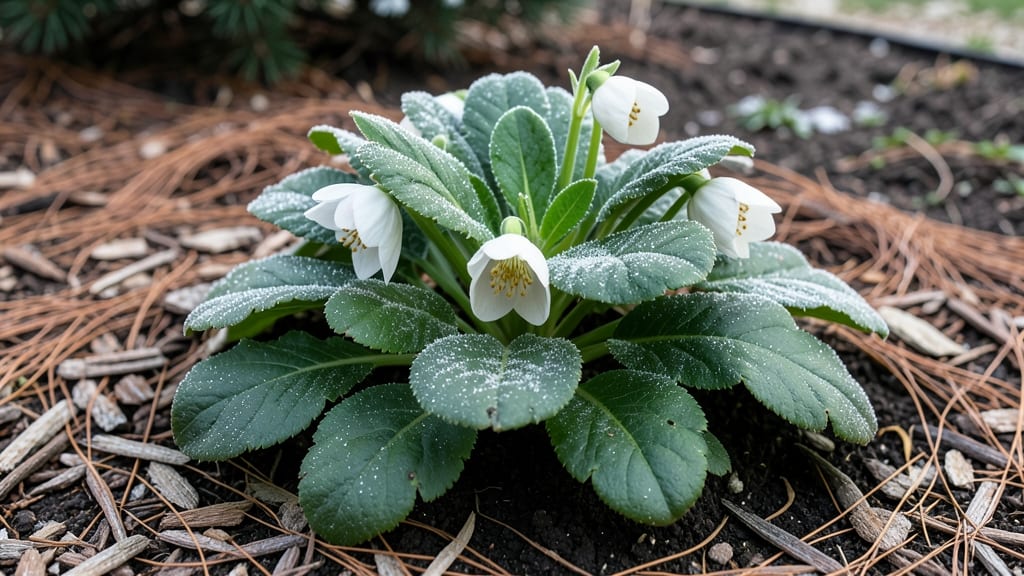
Winter-blooming flowers outside can turn your garden into a frost-resistant paradise of color when most plants are asleep.
Picture this: crisp winter mornings where delicate petals push through snow, and cheerful blooms defy the cold. These hardy flowers don’t just survive winter—they thrive, offering vibrant pops of color that lift spirits and attract pollinators when everything else is dormant.
Whether you're in Zone 6a or colder, the right winter bloomers can transform bare branches into living art. From early snowdrops to fragrant winter jasmine 🌸, these plants prove that cold seasons don’t have to be colorless.
I’ll walk you through the top cold-hardy varieties, how to plant them for maximum impact, and the simple care tricks that keep them blooming year after year.
Ready to bring life back to your winter landscape? Let’s dive into the easiest, most reliable flowers that will have your garden looking alive even when the temperatures drop.
Top 10 cold-hardy flowers that thrive in winter conditions
Winter gardens can be just as vibrant as spring or summer ones—you just need the right cold-hardy flowers that refuse to surrender to frost. These winter bloomers not only survive but thrive in chilly temperatures, offering color and life when most plants are dormant.
Whether you're in USDA Zone 3 or a milder Zone 7, these flowers will keep your garden lively from late fall through early spring.
From delicate snowdrops peeking through snow to bold winter jasmine cascading with golden blooms, these plants are designed to defy winter's chill. Many of them also attract pollinators like bees and butterflies, making your winter garden both beautiful and ecologically valuable.
Let’s explore the top 10 cold-hardy flowers that will keep your garden glowing even in the coldest months.
⚠️ Comparison Table: Top 10 Winter-Blooming Flowers
| Flower Name | USDA Zones | Bloom Time | Sunlight Needs | Height | Key Features |
|---|---|---|---|---|---|
| Snowdrop (Galanthus) | 3-9 | Late winter (Jan-Feb) | Partial shade | 6-12" | Delicate white blooms, deer-resistant, naturalizes easily |
| Hellebore (Helleborus) | 4-9 | Winter to early spring (Dec-Apr) | Partial to full shade | 12-18" | Evergreen foliage, long-lasting blooms, toxic to pets |
| Winter Jasmine (Jasminum nudiflorum) | 6a-9b | Late winter (Feb-Mar) | Full sun | 8-15 ft | Bright yellow flowers, fragrant, great for trellises |
| Winter Aconite (Eranthis hyemalis) | 4-8 | Late winter (Feb-Mar) | Full sun to partial shade | 4-6" | Bright yellow blooms, early riser, spreads quickly |
| Crocus (Crocus spp.) | 3-8 | Late fall to early spring (Oct-Apr) | Full sun | 2-4" | Dwarf size, naturalizes well, edible petals |
| Pansy (Viola spp.) | 3-11 | Fall to early spring (Sep-Apr) | Full sun to partial shade | 6-12" | Bold colors, edible flowers, self-cleaning |
| Christmas Rose (Helleborus niger) | 4-9 | Winter (Dec-Jan) | Partial to full shade | 12-18" | Classic winter bloomer, white flowers, deer-resistant |
Pasque Flower (Pulsatilla
How to choose and plant winter-blooming flowers for maximum impactChoosing the right winter-blooming flowers is only half the battle—planting them correctly ensures they thrive when most gardens are dormant. The key lies in preparing your soil, selecting the perfect spot, and using smart strategies like mulching and companion planting. These steps create the ideal conditions for flowers like snowdrops, helebores, and winter jasmine to push through frost and bloom beautifully. Start by testing your soil drainage. Winter flowers hate soggy roots, so amend heavy clay with compost or sand to improve airflow. A well-draining mix prevents root rot, especially in Zone 5-7 where winter moisture lingers. For containers, use a lightweight potting mix with perlite to mimic natural drainage. This small adjustment can mean the difference between a vibrant winter display and a struggling plant. Step-by-Step Planting Guide for Winter Bloomers
Don’t overlook the power of companion planting. Pairing winter flowers with evergreens or late-season perennials creates a layered look that extends your garden’s season. For example, winter jasmine (🌸) looks stunning when planted near boxwood shrubs, while helebores thrive under deciduous trees that drop leaves in fall. This strategy also helps suppress weeds and retain soil moisture. Timing is everything when it comes to mulching. Apply mulch after the first frost but before heavy snowfall. This gives roots time to establish before winter’s worst. Use organic mulch like straw or shredded bark—it breaks down slowly, adding nutrients to the soil as it decomposes. Avoid thick layers of wood chips, which can smother plants and trap too much moisture. Finally, prune strategically in late winter (February) to shape your plants and encourage denser blooms. Cut back dead or crossing branches but leave healthy stems to support next year’s flowers. For winter jasmine, prune right after flowering to maintain its arching habit. A little pruning now means big rewards when spring arrives. With these steps, your winter garden will be a year-round showstopper, proving that cold seasons can be just as vibrant as summer. Start small—even a single heleborus or snowdrop can make a dramatic statement in a sea of brown. Happy planting! 🌱 |