
Landscaping
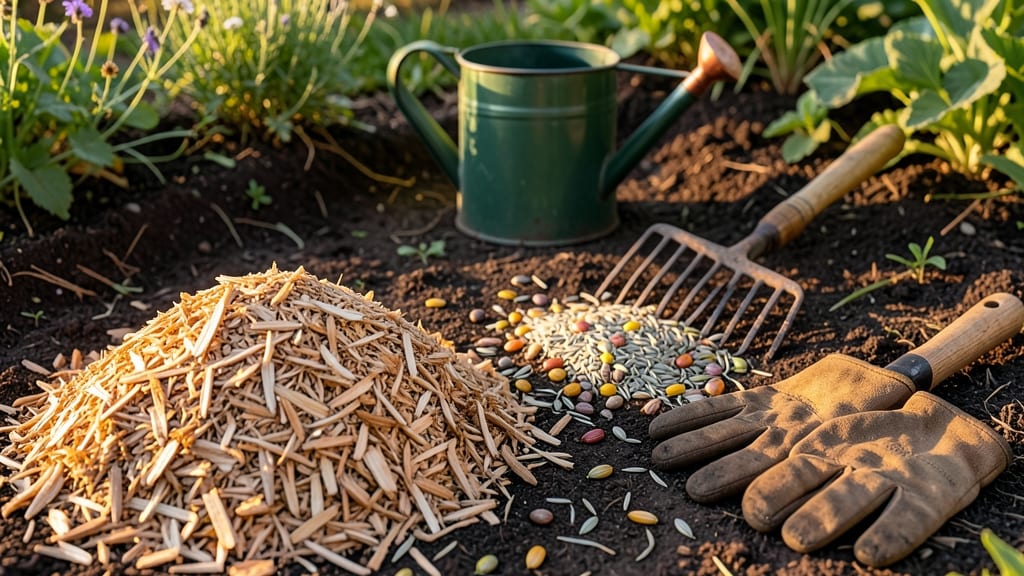
You can put mulch over wildflower seeds—but only if you do it the right way. 🌼 The key is using a lightweight, breathable layer that keeps moisture in without smothering those tiny seeds.
Picture this: you’ve just scattered your wildflower seeds, dreaming of a vibrant meadow. Then you add mulch—only to watch nothing sprout. That’s because too much mulch blocks sunlight and air, trapping seeds in a suffocating layer.
The secret? A thin, organic covering (like straw or shredded leaves) that protects without blocking growth.
Wildflowers thrive on shallow seed placement, so mulch should be no thicker than ¼ inch. Too much can delay germination or even kill seeds before they break dormancy. But when done right, mulch helps retain moisture and fends off weeds—giving your wildflowers the best possible start.
In this guide, I’ll walk you through the exact mulch types to use, how to apply them without mistakes, and when to skip mulch entirely. By the end, you’ll know how to create the perfect conditions for a flourishing wildflower garden.
The science of mulching wildflower seeds: what actually works for germination
Wildflower seeds are delicate, often requiring specific conditions to break dormancy and sprout. Mulching can help—but only if done correctly. Too much mulch smothers seeds, while too little fails to protect them. The key lies in lightweight coverings that retain moisture without blocking sunlight or airflow.
Most wildflower seeds need direct contact with soil and consistent moisture to germinate. Mulch should never exceed ¼ inch thickness when applied over seeds. Organic materials like straw or shredded leaves work best, as they decompose quickly and won’t suffocate emerging seedlings.
Here’s how different mulch types compare for wildflower germination:
Soil temperature is another critical factor. Wildflower seeds often need warm soil (60-70°F) to germinate. Mulch like straw or leaves can insulate soil and maintain consistent temperatures, but avoid thick layers that trap heat and cause rot. Test soil moisture daily—overwatering under mulch is a common mistake.
Moisture retention is where mulch shines. A ¼-inch layer of straw can reduce water evaporation by up to 30%, keeping seeds hydrated without drowning them.
For clay-heavy soils, mulch prevents crusting, which can suffocate emerging seedlings. Always water before applying mulch to ensure seeds have initial contact with damp soil.
Timing matters too. Apply mulch after germination (when seedlings are 1-2 inches tall) to avoid smothering. Before that, use a lightweight seed blanket or a thin layer of soil (no more than ⅛ inch) to protect seeds. This mimics natural conditions where seeds are often buried by wind or rain.
Some wildflowers, like prairie grasses, thrive with minimal mulch, while delicate species such as black-eyed Susans benefit from extra moisture retention. Research your specific mix—native wildflowers often have unique needs tied to their natural habitats. Always opt for organic mulches that decompose quickly to avoid nutrient competition.
One pro tip: Use a slotted mulch mat for large areas. These allow sunlight and water to reach seeds while suppressing weeds. Remove or adjust mulch as seedlings grow to prevent overcrowding. Monitor for fungal risks—wet mulch can promote mold, so ensure good airflow around plants.
If you’re unsure, start small. Test a 1-square-foot patch with different mulch types to see what works best for your climate and seed mix. Adjust based on germination rates and seedling health. The goal is to support growth, not hinder it—and the right mulch makes all the difference.
Step-by-step guide: how to apply mulch over wildflower seeds without killing them
Wildflower seeds need just the right touch of protection to sprout successfully, and mulch can be a game-changer—but only if applied correctly. The key lies in using lightweight, breathable materials that shield seeds from wind and erosion without suffocating them.
Too much mulch blocks sunlight and air, while too little leaves seeds vulnerable. Let’s break down the perfect technique to balance these needs.
Timing matters just as much as the type of mulch. Applying mulch too early can trap moisture and cause rot, while waiting too long risks exposing seeds to harsh conditions.
The ideal window is after germination, when tiny sprouts have broken through the soil. This ensures your wildflowers get the protection they need without smothering their delicate early growth.
How to Mulch Wildflower Seeds Safely
- 1 Choose the right mulch: Opt for straw, peat moss, or shredded leaves—organic materials that decompose slowly. Avoid thick wood chips or heavy mulches like bark, which can compact and block sunlight.
- 2 Apply a thin layer: Once sprouts appear, spread mulch no thicker than 1/4 inch. Use a rake or gloved hands to distribute evenly, avoiding clumps that could smother plants.
- 3 Test for airflow: Gently press your finger into the mulch. If it feels too dense or compacted, loosen it with a fork or your hands. Airflow is critical for seedling health.
- 4 Monitor moisture: Mulch helps retain moisture, but avoid overwatering. Check soil moisture weekly—wildflowers prefer dry conditions once established.
- 5 Avoid post-sowing mulch: Never apply mulch directly over seeds before germination. Instead, cover seeds with a light dusting of soil (1/8 inch max) and wait for sprouts.
One of the biggest mistakes gardeners make is compacting mulch while spreading it, which creates a suffocating barrier. Use a soft-bristle broom or your hands to fluff the mulch gently, ensuring it stays loose and airy. This simple step can mean the difference between thriving wildflowers and stunted growth.
For organic mulches like straw or leaves, consider mixing in a light layer of sand or perlite to improve drainage and prevent clumping. This hybrid approach mimics natural conditions, giving your wildflowers the best chance to establish strong roots without the risk of rot or fungal issues.
Remember, mulch is a tool to support, not smother. If your wildflowers are in a dry, sunny climate, you might skip mulch entirely and rely on light soil coverage instead. Always observe your plants—adjusting as needed ensures your meadow blooms beautifully year after year.