
Size
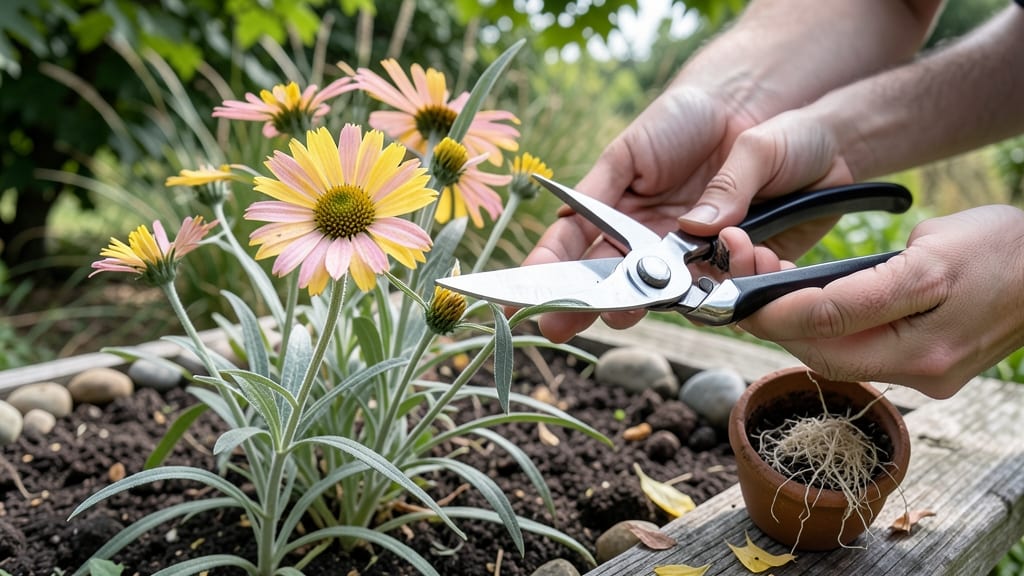
You can pinch strawflower stems to encourage bushier growth and more vibrant blooms 🌼 — a simple technique that transforms leggy plants into fuller, longer-lasting displays.
Strawflower’s delicate blooms can last for months—but without proper pruning, their lifespan shrinks dramatically. The simple act of pinching can double your flowers’ longevity, but timing and technique matter more than most gardeners realize.
Pinching works by trimming the growing tip just above a leaf node, which signals the plant to branch out instead of stretching upward. For young strawflowers, this is best done 4-6 weeks after planting, while mature plants benefit from a light trim before buds appear.
In this guide, you’ll learn exactly where and when to pinch, how to avoid over-pruning, and why some gardeners skip this step entirely—plus the surprising results you can expect from just a few snips.
Why and when to pinch strawflower stems for maximum blooms
Strawflowers (Helichrysum bracteatum) are prized for their long-lasting paper-like blooms that dry beautifully. But did you know pinching stems can transform a leggy, sparse plant into a bushy, flower-packed powerhouse?
This simple technique triggers lateral bud growth, leading to more stems and blooms. The key lies in understanding when and why to pinch—and avoiding common mistakes that can stunt your plant's potential.
Pinching works by removing the terminal bud (the topmost growth point), which signals the plant to redirect energy to side buds. This creates a fuller, more compact shape while delaying flowering just enough to produce a second, more abundant flush of blooms.
For strawflowers, this means double the harvest with proper timing. Whether you're growing them in garden beds or container pots, mastering this technique can extend your blooming season by 4-6 weeks.
Here’s what you need to know before grabbing your pruners:
- 1
- 2
- 3
- 4
- 5
Pinching isn’t just about more flowers—it’s also about stronger stems. Strawflowers grown without pinching often develop tall, weak stems that flop under bloom weight. By encouraging a compact, bushy habit, you’ll enjoy sturdier stems that support heavier clusters without bending.
This is especially important for cut flower arrangements, where sturdy stems last longer in vases.
If you’re growing strawflowers in containers, pinching becomes even more critical. Potted plants have limited root space, so they rely on efficient energy use. Pinching helps them maximize their small footprint by producing more stems per square inch.
For outdoor garden beds, pinching ensures your strawflowers compete better with weeds and fill in gaps quickly, creating a denser, more vibrant display.
Timing is everything when it comes to pinching strawflowers. The best window is 4-6 weeks after planting, when the plant has 4-6 sets of true leaves and a main stem of 6-8 inches. This ensures the plant has enough energy reserves to recover and produce new growth.
Waiting too long—until buds form—can reduce your final bloom count by up to 30%, as the plant shifts focus to flower production instead of stem growth.
For indoor cultivation, timing shifts slightly due to controlled environments. Since indoor strawflowers often grow slower without natural sunlight, pinch them when they reach 4-5 inches tall and have 3-4 sets of leaves.
Use grow lights to provide 14-16 hours of light daily after pinching to speed up regrowth. Without sufficient light, pinched indoor plants may stay leggy
Step-by-step guide to pinching strawflower stems correctly
Pinching strawflower stems is a simple yet powerful technique to transform leggy, sparse plants into bushy, bloom-packed powerhouses. When done right, it encourages more lateral branches and longer-lasting flowers.
But timing and technique are everything—get it wrong, and you might stunt growth or invite pests. Let’s break down the exact steps to pinch your strawflowers like a pro.
First, you’ll need clean, sharp pruning shears or your fingertips. Strawflowers are delicate, so avoid heavy-duty tools that can crush stems. The best time to pinch is when your plants are 4–6 weeks old and have developed 4–6 sets of true leaves.
This is their vegetative growth phase, when they’re ready to branch out. Wait until buds appear, and you’ve missed the window!
How to Pinch Strawflower Stems
- Step 1: Identify the Pinch Point Locate the top set of leaves (usually the 4th–6th node from the base). This is where you’ll make your cut.
- Step 2: Use Clean Tools Sterilize shears with rubbing alcohol or simply pinch off stems with your thumb and forefinger for precision.
- Step 3: Remove 1–2 Inches Snip or pinch just above a leaf node (where new branches will sprout). Avoid leaving stubs.
- Step 4: Repeat on All Main Stems Pinch every main stem to encourage uniform bushiness. Aim for 3–5 pinches per plant initially.
- Step 5: Monitor Regrowth Within 2–3 weeks, new side shoots should emerge from the pinched nodes. Thin these to 2–3 strongest shoots per node.
Common mistakes include pinching too early (before 4 weeks) or too late (after buds form), both of which can reduce flowering. Another pitfall is over-pruning—never remove more than ⅓ of the plant’s foliage at once.
If you see yellowing leaves or stunted growth after pinching, you’ve likely gone too far.
Healthy regrowth looks like bright green, compact side shoots emerging from the pinched nodes. These new stems should be firm and upright, not floppy or pale. If growth is slow, check for adequate sunlight (6+ hours daily) and well-draining soil.
Strawflowers thrive in USDA Zone 6a and warmer, but even in cooler climates, they’ll bounce back with proper care.
Once your strawflowers start blooming, switch to deadheading spent flowers to prolong the season. But remember: pinching is your secret weapon for bigger, bushier plants with months-long blooms. With practice, you’ll spot the perfect pinch point in seconds—and your garden will thank you with vibrant, long-lasting color.