
Flowers
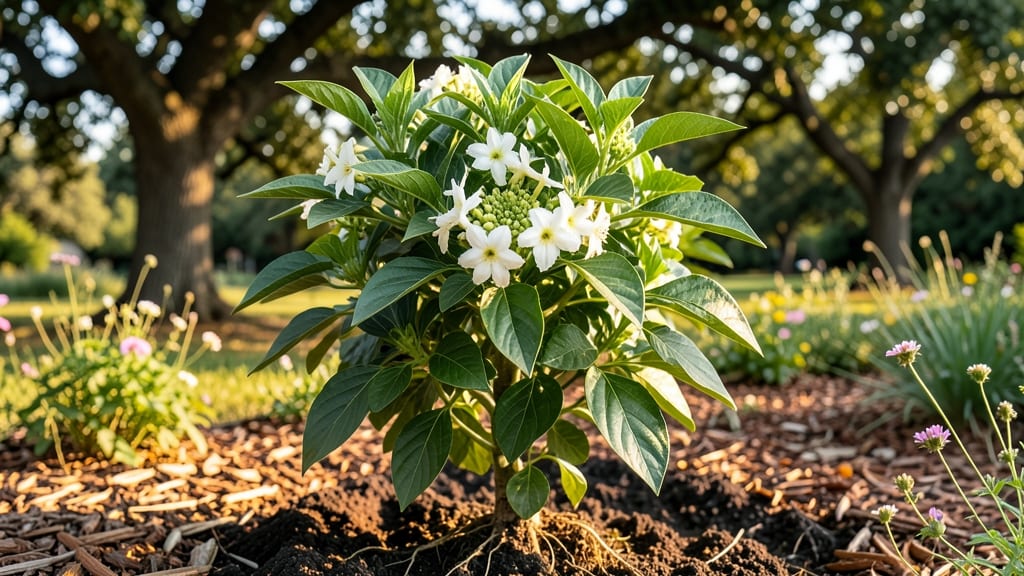
Cayenne pepper flowers 🌶️ are the secret to a fiery harvest, and most gardeners miss the simple tricks that turn those pretty blooms into actual peppers.
Did you know those vibrant white-and-green flowers aren’t just showstoppers—they’re the first step toward your spiciest crop? Without the right care, though, they’ll fade before producing a single pepper. I’ve grown cayennes for years, and I’ll show you exactly how to coax those flowers into thriving plants that deliver heat.
From picking the perfect spot in your garden to troubleshooting why your plant might be skipping the flowering stage, we’ll cover every detail. You’ll learn how sunlight, soil, and even watering habits directly impact those delicate blooms—and how to give them the best shot at success.
Whether you’re a first-time grower or a seasoned pro looking for a bigger harvest, this guide breaks down the key steps to ensure your cayenne plants flower like crazy. Let’s get those peppers growing!
How to identify and grow cayenne pepper flowers from seed
Those delicate white to pale green cayenne pepper flowers might seem fragile, but they’re your golden ticket to a fiery harvest. Identifying them early helps you adjust care for maximum fruit production.
The key? Starting with high-quality seeds and mimicking their native tropical conditions—because cayenne peppers demand warmth and patience to bloom reliably.
Cayenne flowers typically appear 60-75 days after germination, but only if your plant gets the right mix of sunlight, nutrients, and consistent moisture. Skipping these steps often leads to lush foliage but no flowers.
Let’s fix that by following a proven seed-to-bloom process that even beginner gardeners can master.
🌱 Step-by-Step Cayenne Pepper Flower Growth Guide
- Step 1: Select seeds from a reputable source. Look for heirloom or hybrid varieties labeled for hot peppers (e.g., "Cayenne," "Jalapeño Hot"). Avoid generic "bell pepper" seeds—they won’t produce flowers like cayenne.
- Step 2: Soak seeds in warm water for 6-8 hours to soften the outer shell. This boosts germination speed by 20-30%. Use a paper towel or seedling tray for planting.
- Step 3: Plant seeds ¼ inch deep in well-draining soil (pH 6.0-6.8). Mix in compost or perlite to prevent root rot. Keep soil warm (70-80°F) using a heat mat if needed.
- Step 4: Place trays in bright, indirect light (e.g., south-facing window). Seedlings need 12-14 hours of light daily—supplement with grow lights if natural light is weak.
- Step 5: Once seedlings have 2-3 true leaves (not cotyledons), transplant to 4-inch pots. Harden off for 7-10 days by gradually exposing them to outdoor conditions.
- Step 6: After the last frost (soil temp ≥60°F), transplant outdoors to a full-sun location (6+ hours daily). Space plants 18-24 inches apart for airflow.
- Step 7: Fertilize with balanced 10-10-10 every 4-6 weeks during growing season. Avoid high-nitrogen fertilizers—they promote leaves over flowers.
- Step 8: Hand-pollinate flowers by gently shaking plants or using a small brush to transfer pollen. This ensures fruit set, especially in greenhouses or low-wind areas.
Now that your cayenne seeds are sprouting, focus on soil health—these plants are heavy feeders. Amend your garden bed with aged compost or worm castings before planting.
Cayenne peppers thrive in loamy, slightly acidic soil (pH 6.0-6.8), so test your soil and adjust with lime (to raise pH) or sulfur (to lower pH) if needed.
One common misstep is overwatering, which causes blossom end rot or root rot. Water deeply once every 3-5 days (more in summer) and always at the base of the plant. Avoid wetting leaves to prevent fungal diseases like powdery mildew, which can stunt flower production.
For container growers, choose pots at least 12 inches deep with drainage holes. Use a lightweight potting mix blended with coconut coir or sand. Containers dry out faster, so check soil moisture daily during heatwaves. A self-watering system can save time and prevent stress.
Watch for pests like aphids or spider mites, which suck sap and weaken plants. Treat infestations early with neem oil or insecticidal soap. Yellowing leaves or stunted growth? It could signal nutrient deficiency. A quick fix: spray foliage with seaweed extract for micronutrients like magnesium and calcium.
By mid-summer, your cayenne plants should burst into white to pale green flowers that eventually turn into peppers. Prune any dead or yellow leaves to redirect energy to flowering.
And here’s a pro tip: Pinch off early flowers if your plant looks leggy—this encourages a bushier structure with more blooms later in the season.
With these steps, you’ll go from seed to cayenne pepper flowers in just a few months. The best part? Each bloom holds the potential for dozens of fiery peppers—perfect for home cooking or sharing with fellow spice lovers. Happy growing! 🌶️🌱
Key differences between cayenne pepper flowers and other chili varieties
The cayenne pepper flower stands out with its delicate, white to pale green blooms that eventually give way to the fiery peppers we know. Unlike other chili varieties, cayenne flowers are smaller and more clustered, growing in tight groups along the plant's stems.
This unique structure helps distinguish them from jalapeños or habaneros, whose flowers tend to be more spread out and larger.
One of the most noticeable differences is the color variation in blooms. Cayenne flowers start as white or pale green, while jalapeños often bloom with greenish-white petals. Habanero flowers, on the other hand, may appear slightly more yellow-tinged.
These color differences don’t just make identification easier—they also hint at the heat potential of the peppers they’ll produce.
Here’s how flower characteristics influence pepper heat levels:
| Chili Variety | Flower Shape | Flower Color | Bloom Size | Heat Level |
|---|---|---|---|---|
| Cayenne | Small, clustered | White/pale green | 0.5-1 inch | 30,000-50,000 SHU |
| Jalapeño | Medium, spread out | Greenish-white | 1-1.5 inches | 2,500-8,000 SHU |
| Habanero | Small, dense clusters | Yellow-tinged | 0.75-1.25 inches | 100,000-350,000 SHU |
The shape and size of cayenne flowers also play a role in their pollination success. Their compact clusters make them more susceptible to hand-pollination if you’re growing indoors or in areas with fewer bees.
Unlike jalapeños, which rely more on natural pollinators, cayenne flowers often need a gentle shake or brush to ensure fruit set.
Another key difference is how flower color changes over time. Cayenne blooms may fade to a light greenish hue as they age, while habanero flowers often retain a bright yellow-green tone.
This color shift can help you predict which flowers will produce the hottest peppers—darker or fading blooms often signal higher capsaicin levels.
If you’re growing multiple chili varieties, pay attention to flower placement. Cayenne flowers grow along the main stem and branches, while habaneros often produce flowers in denser terminal clusters.
This difference affects how you prune—cayenne plants benefit from selective pruning to encourage more flower-bearing branches, whereas habaneros may need less aggressive trimming.
Understanding these distinctions helps you optimize your garden layout and care routine. For example, if you’re growing cayennes for heat, focus on maximizing sunlight exposure to their delicate flowers, as they’re more sensitive to shade stress than jalapeños.
The right conditions will turn those tiny blooms into the fiery harvest you’re after! 🌱