
Flowers
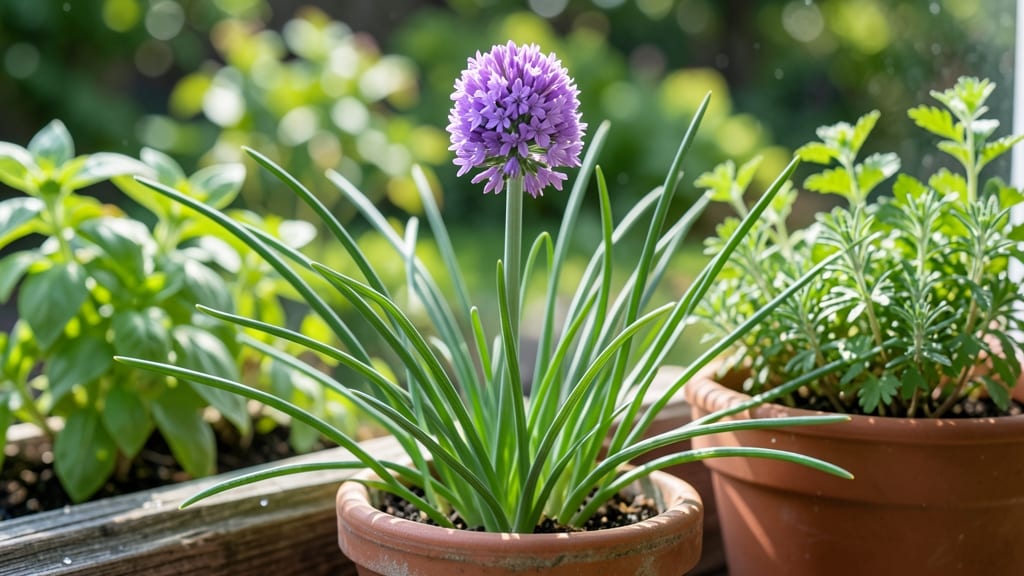
Chives do have flowers 🌿, and they’re not just pretty—they’re edible and packed with flavor.
If you’ve ever wondered whether chives—those delicate, onion-flavored greens—produce anything beyond their signature leaves, you’re in for a surprise. Chives don’t just have flowers; they have edible flowers that can elevate your dishes from good to extraordinary.
These dainty purple-pink blooms appear in late spring to early summer, adding a mild onion-garlic punch to salads, soups, and even cocktails. Beyond their culinary charm, they’re a pollinator magnet, drawing bees and butterflies to your garden.
In this guide, I’ll walk you through when and how to spot them, how to harvest them at their peak, and the best ways to use them—because yes, you can eat the whole plant, flowers and all.
Chive flower characteristics: when, why, and how they grow
Yes, chives absolutely produce flowers, and they’re one of the few herbs where the blooms are just as useful as the leaves. These delicate purple-pink flower clusters appear on slender, hollow stems that rise above the grass-like foliage you’re familiar with.
What’s fascinating is that these flowers aren’t just ornamental—they’re edible and packed with flavor, making chives a dual-purpose herb in your garden.
The flowering cycle of chives typically begins in late spring (around May to June) and can extend into early fall, depending on your climate. In warmer regions, you might even see a second bloom in autumn.
Each flower cluster forms at the top of a 12-to-18-inch stalk, standing out against the plant’s vibrant green leaves. This is your garden’s way of signaling it’s time to harvest both leaves and flowers!
Visual identification is key to distinguishing chive flowers from other parts of the plant. The flowers grow in umbel-shaped clusters (like tiny round umbrellas) with six delicate petals per bloom. Unlike the flat, blade-like leaves, these flowers are tubular and slightly bulbous at the base. If you’re unsure, gently pinch a bloom—it should feel lightweight and papery, not woody like stems.
Here’s what sets chive flowers apart from their leafy counterparts: while leaves offer a mild onion-garlic flavor, the flowers carry a sweeter, more intense taste with hints of lemon and pepper.
This makes them perfect for garnishes, infusions, and even teas. Plus, they’re a pollinator magnet, attracting bees and butterflies to your garden while you harvest them!
| Characteristic | Details |
|---|---|
| Flower Color | Purple-pink |
| Bloom Time | Late spring to early fall |
| Flower Shape | Umbel clusters (6-petaled) |
| Stem Height | 12–18 inches |
| Edibility | Yes (milder, sweeter than leaves) |
| Pollinator Value | High (bees, butterflies) |
| Leaf vs. Flower Flavor | Leaves: sharp onion-garlic Flowers: sweet, lemon-peppery |
The biology behind chive flowers is what makes them so rewarding to grow. Chives are perennial herbs, meaning they return year after year, and their flowering is a natural part of their reproductive cycle.
When you see those purple-pink blooms, it’s your plant’s way of producing seeds for the next generation. However, you can harvest the flowers before they fully mature—this encourages the plant to produce more leaves and flowers throughout the season!
One common misconception is that chive flowers are only for show. In reality, they’re highly functional in the kitchen and garden. For example, you can use them to infuse vinegar or oil, sprinkle them over salads, soups, or eggs, or even dry them for winter use.
Their delicate texture adds a visual and culinary pop to any dish, making them a gardener’s secret weapon.
If you’re growing chives in containers or pots, you’ll notice the flowers appear slightly earlier than in-ground plants due to warmer root zones. To maximize blooms, ensure your chives get at least 6 hours of sunlight daily and well-draining soil.
Overcrowding can reduce flowering, so space plants 6–8 inches apart to give them room to thrive. A little pruning after blooming also encourages bushier growth next season!
For first-time chive growers, the appearance of flowers might feel like a surprise—but it’s a sign of a healthy plant. If your chives aren’t flowering, check for these common issues: insufficient sunlight, over-fertilization with nitrogen (which promotes leaves over flowers), or poor soil drainage.
Adjusting these factors can often revive flowering within a few weeks.
Beyond their culinary and ornamental value, chive flowers play a critical role in ecosystems. They’re a nectar source for pollinators, especially early in the season when other flowers are scarce.
By growing chives, you’re not just adding flavor to your meals—you’re also supporting local wildlife. It’s a win-win for both your garden and the environment!
So next time you’re harvesting chive leaves, take a moment to spot the flowers and consider adding them to your culinary repertoire. Whether you’re garnishing a dish or brewing a floral tea, these blooms are a delicious bonus from one of the easiest herbs to grow.
Happy gardening—and happy harvesting! 🌿
How to harvest and use edible chive flowers in cooking
Once your chives send up those delicate purple-pink flower stalks, you’re holding a culinary treasure. Unlike many herbs, chive flowers are fully edible and pack a milder, sweeter version of the onion flavor found in the leaves.
The key is harvesting them at the right stage—just as the buds begin to open but before they fully bloom. This ensures the most vibrant color and tender texture, perfect for both garnishes and infused dishes.
I’ve found that chive flowers pair beautifully with light, fresh ingredients. Their subtle sweetness complements seafood dishes, like grilled shrimp or salmon, while adding a pop of color to creamy soups or bright salads.
Unlike the sharp bite of chive leaves, the flowers offer a gentler, almost floral note that elevates rather than overpowers. Think of them as nature’s edible confetti for your plate!
🌿 Harvesting & Using Chive Flowers: Step-by-Step
- 1. Timing Matters: Harvest when 1-2 buds open per stalk (mid-morning for peak freshness).
- 2. Cut Cleanly: Snip 2-3 inches below the flower cluster with clean scissors to avoid damaging leaves.
- 3. Rinse Gently: Use a colander with cool water to remove dirt; pat dry with a paper towel.
- 4. Store Properly: Keep in an airtight container lined with a damp paper towel in the fridge for 3-4 days.
- 5. Use Fresh: Best for garnishes, infused oils, or herbal teas within 24 hours of harvest.
For culinary creativity, try infusing chive flowers into olive oil or vinegar—the result is a fragrant, golden liquid perfect for drizzling over grilled vegetables or roasted potatoes. You can also steep them in hot water for a soothing, onion-flavored tea.
I’ve even used them as a garnish for cocktails, adding a subtle herbal note that pairs wonderfully with gin or vodka.
If you’re growing chives for both leaves and flowers, avoid harvesting all the flowers at once. Leave some to go to seed, which encourages the plant to produce more vigorous regrowth.
This balance ensures your chive patch stays productive year after year. Plus, the seeds attract pollinators, making your garden a haven for bees and butterflies!
The flavor difference between chive leaves and flowers is subtle but noticeable. Leaves offer a sharp, oniony punch, while flowers provide a sweeter, almost garlic-like finish. Use flowers sparingly—just a few buds can transform a dish.
For example, sprinkle them over a creamy avocado soup or scatter them on a charcuterie board for a stunning, edible centerpiece.
Don’t let those chive flowers go to waste—they’re a free, flavorful bonus from your herb garden. Whether you’re a seasoned chef or a home cook, these blooms are an easy way to elevate simple meals with minimal effort.
Next time your chives reach for the sky, grab those scissors and get creative in the kitchen!