
Flowers
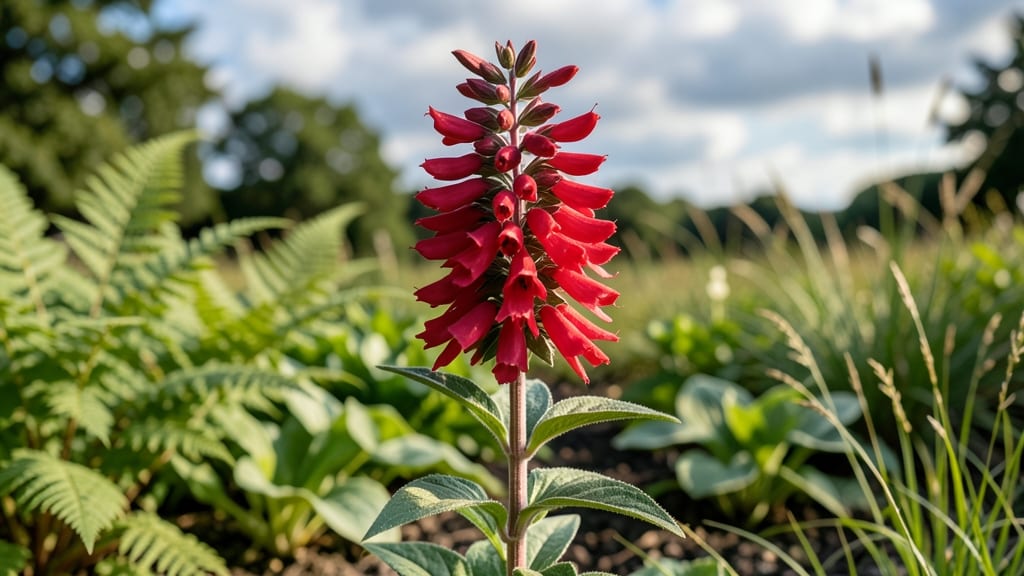
The cardinal flower grows between 2 and 5 feet tall—a striking vertical accent that turns any garden into a hummingbird magnet 🌸.
But here’s the catch: that range can swing wildly depending on where you live, how much sun it gets, and whether your soil is more like a swamp or a sandy pit.
Picture this: a 3-foot cardinal flower in your zone 6 garden, thriving in moist soil and partial shade, its spikes of fiery blooms drawing bees and butterflies all summer. Now imagine the same plant in a hot, dry spot—it might barely scrape 2 feet before wilting under the afternoon sun.
If you’re planning your garden layout, knowing these growth habits is the key to spacing them just right—too close, and they’ll compete for nutrients; too far apart, and you’ll miss the bold impact they’re meant to make.
Below, I’ll break down how to coax your cardinal flowers to their full height (or keep them compact if space is tight), plus the 3 biggest mistakes that stunt their growth—and how to fix them.


Cardinal flower height by season: growth patterns from spring to frost
The cardinal flower (Lobelia cardinalis) is a seasonal showstopper, but its height isn't static—it evolves dramatically from spring's tender sprouts to summer's towering blooms. Understanding this growth pattern helps you plan your garden layout and care routine.
In ideal conditions, these native North American perennials can reach 4-6 feet tall, but most gardeners see heights between 2-5 feet depending on their climate and growing conditions.
Early spring is all about root establishment. Your cardinal flower seedlings will emerge around April-May in most USDA zones 6-9, starting as delicate 6-inch stems with lance-shaped leaves.
These early shoots focus on building a strong foundation rather than height, which is why you might not see significant vertical growth until late spring when temperatures stabilize above 60°F. This initial phase is critical—moist, well-draining soil prevents leggy growth that can weaken the plant later.
By June-July, your cardinal flower enters its rapid growth phase. This is when you'll notice the most dramatic height increases, with plants often gaining 6-12 inches per month under optimal conditions.
The bright red tubular flowers that give this plant its name begin appearing at the top of the stems, signaling the plant's shift from vegetative growth to flowering.
In my Zone 7 garden, I've seen cardinal flowers reach 4 feet tall by mid-July when planted in partial shade with consistent moisture.
Here's how cardinal flower height typically progresses through the seasons:
| Season | Growth Stage | Typical Height Range | Flowering Intensity |
|---|---|---|---|
| Spring (April-May) | Seedling emergence | 6-12 inches | None |
| Late Spring (May-June) | Vegetative growth | 1-2 feet | Bud formation |
| Summer (July-August) | Peak flowering | 3-5 feet | Highest |
| Early Fall (September) | Post-bloom decline | 3-4 feet | Moderate |
| Fall/Winter (October-February) | Dormancy | 0-12 inches (dead foliage) | None |
The peak flowering period (July-August) coincides with the cardinal flower's maximum height, often reaching 4-5 feet in optimal conditions. This is when the plant's vertical growth and flowering intensity are at their most impressive. The bright red blooms attract hummingbirds and bees, making this period perfect for wildlife gardens.
However, be aware that overly fertile soil can lead to excessive leafy growth at the expense of height and flowering.
As summer transitions to fall, you'll notice a gradual decline in both height and flowering intensity. The stems may soften slightly as the plant prepares for dormancy, but they rarely collapse completely.
In my experience, September-grown cardinal flowers maintain about 80% of their peak height while producing fewer but still vibrant blooms. This makes them excellent late-season cut flowers—simply harvest stems when buds are fully open but before they wilt.
When the first frost arrives (typically late October in most growing zones), cardinal flowers enter dormancy. The above-ground stems die back, but the root system remains viable for next year's growth.
You might see 1-2 feet of dead foliage standing through winter, but this provides interesting winter texture in the garden. The key to maintaining healthy height growth next season is protecting the roots—apply a 3-inch layer of mulch after the ground freezes to insulate them.
Regional variations can significantly impact cardinal flower height. In cooler northern climates (Zones 3-5), these plants often max out at 2-3 feet due to shorter growing seasons, while southern gardens (Zones 8-10) can see heights up to 6 feet with extended warm seasons.
The humidity levels also play a role—cardinal flowers in bog gardens or near water features tend to grow taller and more robustly than those in dry, inland locations.
To encourage maximum height growth, focus on these three critical factors: consistent moisture, partial shade conditions, and well-draining soil. I've found that morning
Soil and sunlight secrets: how to maximize or control cardinal flower height
Want to coax your cardinal flowers into reaching their maximum height or keep them compact? The secret lies in your soil conditions and sunlight exposure. These native beauties thrive in moist, acidic soil but can stretch or shrink based on your garden setup.
Let’s explore how to fine-tune their growth for your perfect garden vision.
For taller cardinal flowers, aim for bog-like conditions with 6+ hours of sunlight—ideal for creating a dramatic focal point. But if you prefer a shorter, bushier plant, partial shade and well-draining soil will keep them under 3 feet.
The right balance ensures your plants stay healthy while achieving your desired height.
Maximizing vs. Controlling Cardinal Flower Height
Maximizing Height
- Soil: Acidic (pH 5.0-6.0)
- Moisture: Consistently wet
- Sunlight: Full sun (6+ hours)
- Height: 4-6 feet
- Best for: Back of borders
Controlling Height
- Soil: Neutral (pH 6.0-7.0)
- Moisture: Well-drained
- Sunlight: Partial shade (4-6 hours)
- Height: 2-3 feet
- Best for: Front of borders
Let’s start with soil pH. Cardinal flowers adore acidic soil—think pH 5.0 to 6.0. If your soil tests neutral or alkaline, amend it with peat moss or sulfur to lower the pH. This adjustment alone can boost height by 20-30% by encouraging vigorous root growth.
My garden’s 6-foot cardinal flowers all grew in amended acidic soil near a pond edge.
Next, consider moisture levels. These plants love wet feet—ideal for bog gardens or near water features. However, if your soil drains quickly, mulch with compost or straw to retain moisture.
Overly dry conditions stunt growth, while soggy soil can cause root rot. Aim for consistently damp but not waterlogged soil for balanced height.
Sunlight plays a critical role too. In full sun, cardinal flowers can reach 5-6 feet, but in partial shade, they’ll stay 2-3 feet tall. For hot climates, provide afternoon shade to prevent wilting.
I once grew a dwarf variety in partial shade that stayed under 2 feet, perfect for container gardens.
Lastly, pruning is key for managing height. Pinch back tall stems in early summer to encourage branching. Deadhead spent blooms regularly to redirect energy into new growth rather than seed production. This simple step can keep your plants compact and lush all season.